As housing demand grows and sustainable living becomes a global priority, folding container homes are reshaping how we think about modern construction.
In 2025, this innovative building model is proving to be a game changer—combining speed, flexibility, and affordability like never before.
Here’s how folding container homes are leading the next wave of modular construction innovation.
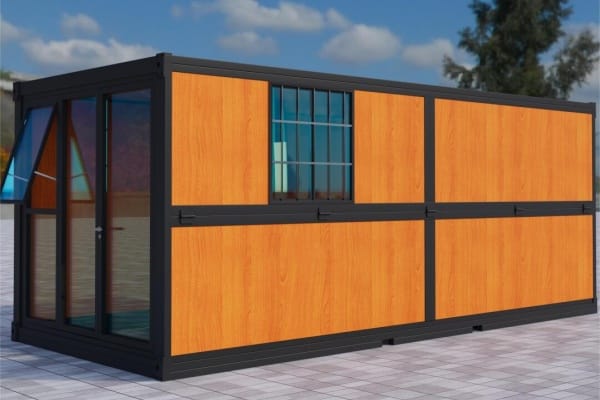
Rapid Assembly and Reduced Construction Time
Traditional housing projects can take months—or even years—to complete.
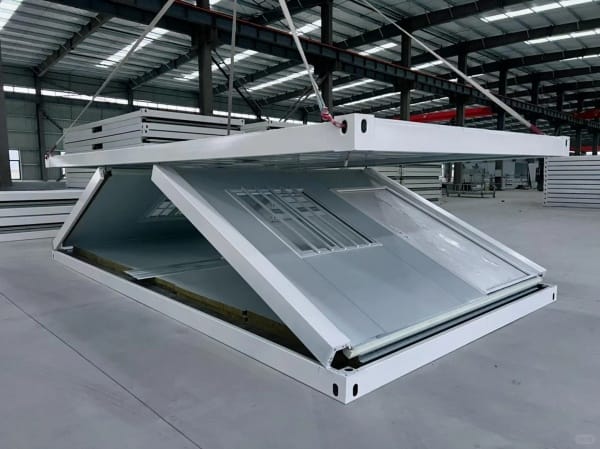
In contrast, folding container homes are factory-built and delivered ready for quick on-site setup.
Thanks to their collapsible structure, installation can be completed within a few hours, drastically cutting labor and project timelines by up to 70%.
This efficiency benefits developers, emergency housing programs, and commercial resorts alike.
Cost Efficiency Through Modular Design
Rising material and labor costs make traditional construction increasingly unaffordable.
Folding container homes address this challenge through standardized modular production, reducing waste and optimizing resources.
Each unit includes pre-installed insulation, wiring, plumbing, and flooring, meaning minimal on-site work.
Buyers save on both labor and logistics, achieving higher ROI in shorter timeframes.
Eco-Friendly and Sustainable Building Practices
Sustainability is at the heart of folding container technology.
Built from recyclable Corten steel and energy-efficient panels, these homes significantly reduce construction waste and carbon emissions.
Manufacturers like Best Steel Structure also offer options for:
Solar power integration
Rainwater harvesting systems
Low-VOC interior finishes
This approach aligns perfectly with the global shift toward green construction standards and net-zero housing goals.
Scalability for Residential and Commercial Projects
Folding container homes aren’t just for individual homeowners—they’re now being used for hotels, offices, student housing, and emergency shelters.
Their modular scalability means units can be combined, stacked, or expanded as needed, offering flexible solutions for developers.
From small rural resorts to urban co-living spaces, folding homes make construction adaptable and future-proof.
Smart Integration and Future Living
In 2025, folding container homes are increasingly incorporating smart home technologies—including app-controlled lighting, air conditioning, and energy monitoring systems.
These innovations make them not only practical but also appealing to younger, tech-driven homeowners and digital nomads seeking convenience, sustainability, and style in compact living spaces.
The Global Impact: A Smarter, Faster, Greener Way to Build
The rise of folding container homes marks a new era in modular construction—one that’s fast, cost-effective, and environmentally responsible.
With growing acceptance in both residential and commercial markets, these homes are proving that modern housing can be both innovative and sustainable.
As more countries embrace prefabricated solutions, folding container homes will continue to redefine what efficient building means in the 21st century.
Final Thought: Building the Future, One Fold at a Time
Folding container homes bridge the gap between industrial precision and creative design.
They empower architects, developers, and homeowners to build faster, live smarter, and invest sustainably—reshaping the construction industry for generations to come.