Introduction
The traditional construction industry has long struggled with major challenges, including high construction costs, long project timelines, and limited mobility. These issues have become even more obvious as modern society demands faster, more flexible building solutions.
In response to these challenges, flat pack container housing has rapidly emerged as a revolutionary alternative. With its innovative design concept and strong logistical advantages, this construction method is reshaping how buildings are transported, assembled, and deployed worldwide.
Unlike traditional buildings, flat pack container houses package structural components efficiently and compactly. This approach dramatically simplifies transportation and storage while enabling fast on-site assembly and flexible relocation. In this article, we explore the core features, application scenarios, and value proposition of flat pack container houses, as well as their future development potential.
What Is Flat Pack Container Housing?
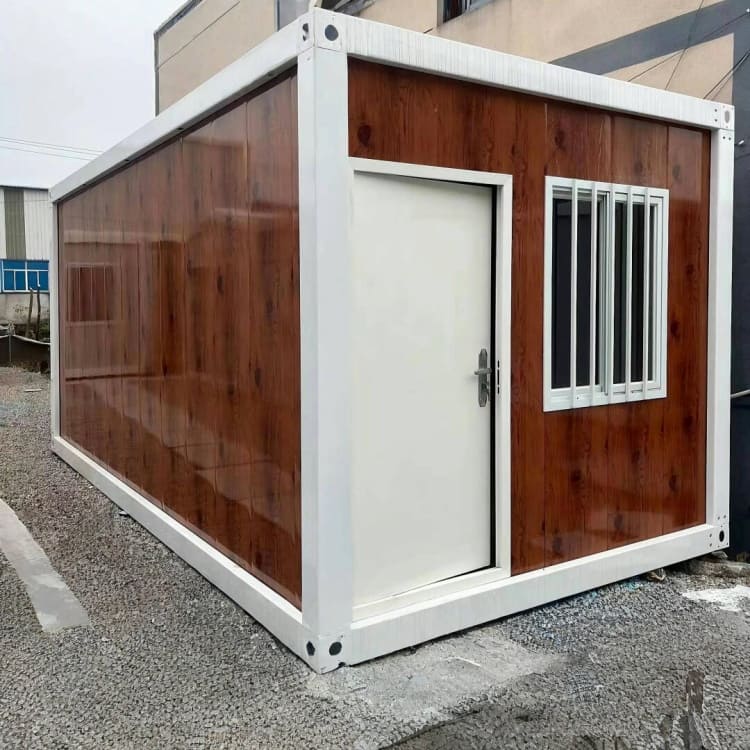
Flat packing is an innovative design and engineering concept that focuses on optimizing the arrangement and compression of container house components to minimize shipping volume.
By using flat pack technology, multiple housing units can be loaded into a single shipping container, significantly reducing logistics costs. For example, a standard 40-foot container can typically transport up to 10 flat-packed housing units, compared to only 3–4 fully assembled units using traditional shipping methods.
This logistics efficiency makes flat pack container housing especially attractive for international projects and large-scale deployments.
Core Advantages of Flat Pack Container Houses
Transportation Convenience and Cost Efficiency
Flat pack container houses significantly reduce transportation volume, allowing more units to be shipped in one delivery. Industry estimates show that transportation costs can be reduced by 40%–60% using flat pack technology.
As a result, developers and contractors can offer more competitive pricing, particularly for overseas or remote projects.
Rapid Assembly and Deployment
Thanks to standardized prefabricated components, flat pack container houses are designed for fast and simple on-site assembly. Depending on size and layout, installation can often be completed within hours or a few days.
Standardized connectors and modular engineering ensure precise alignment, structural stability, and efficient installation with minimal labor requirements.
Flexibility and Mobility
Flat pack container houses are not only easy to assemble but also easy to disassemble, relocate, and reuse. This makes them ideal for:
Temporary offices
Disaster relief housing
Construction site accommodations
Field operation bases
Their lightweight structure and modular design allow for repeated relocation without significant performance loss.
Design Versatility and Customization
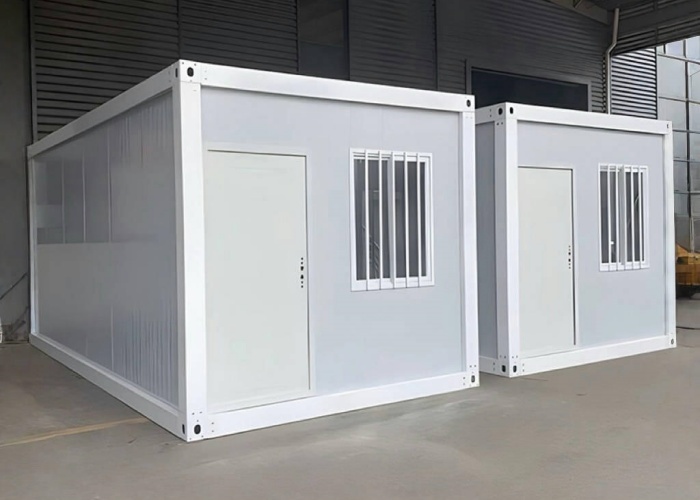
Although based on standardized modules, flat pack container houses offer a high degree of customization. Through flexible combinations and interior layouts, they can be adapted for a wide range of applications, from affordable housing to luxury vacation homes.
Exterior finishes, interior materials, insulation levels, and functional layouts can all be customized to meet individual aesthetic and practical requirements.
Environmental Protection and Sustainability
Shipping containers have a high recycling value, and flat pack technology further reduces carbon emissions by lowering transportation energy consumption.
Additionally, eco-friendly materials and energy-efficient systems can be integrated during manufacturing, significantly improving overall environmental performance. This aligns well with modern sustainability standards and green building principles.
Overall Cost Effectiveness
When considering material costs, transportation, labor, and construction timelines, flat pack container houses demonstrate exceptional economic advantages.
They are particularly cost-effective for projects that require:
Large-scale deployment
Short construction timelines
Frequent relocation
Compared to traditional construction, flat pack container housing offers lower total investment and faster returns.
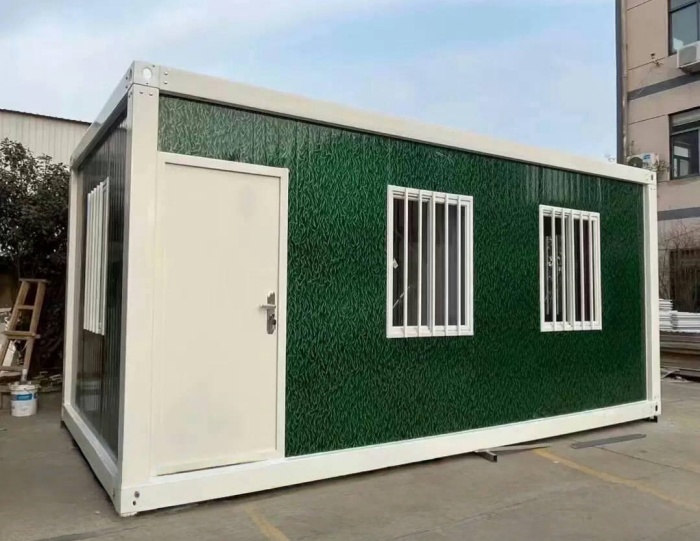
Types of Flat Pack Container Houses
To meet diverse market demands, flat pack container houses are categorized into several types based on function and design:
Residential Container Houses
Designed for comfortable living, these units include complete living facilities and optimized interior layouts. They are suitable for:
Affordable housing
Student apartments
Vacation villas
B&B accommodations
Residential units focus on comfort, insulation, and livability.
Commercial Container Houses
Primarily used for business purposes such as:
Temporary offices
Retail shops
Cafés
Showrooms
These designs emphasize modern aesthetics and flexible interior space to support various commercial activities.
Industrial and Agricultural Units
Built for industrial and agricultural use, including:
Tool rooms
Warehouses
Laboratories
Farming and planting rooms
These structures prioritize durability, functionality, and performance in demanding environments.
Public Service Facilities
Used for public infrastructure such as:
Medical stations
School classrooms
Libraries
Community centers
They are designed to meet safety regulations and public service standards.
Emergency Response Housing
Specifically developed for emergency situations, including:
Disaster relief shelters
Command centers
Temporary storage facilities
These units can be rapidly deployed and provide immediate shelter and operational support during critical situations.
Conclusion
Flat pack container housing represents a major shift in modern construction. By combining efficient logistics, rapid assembly, flexible design, and cost-effective deployment, it offers a practical solution for both everyday housing needs and emergency applications.
As global demand grows for sustainable, mobile, and scalable building solutions, flat pack container houses are expected to play an increasingly important role in the future of construction.