Expandable container houses are no longer just about portability — they’re about style, comfort, and creativity. With smart design, you can transform a compact modular space into a cozy and fully functional home. Whether you’re building a modern retreat, a mobile office, or a vacation cabin, interior design plays a key role in maximizing space and aesthetics.
In this guide, we’ll explore layout planning, color schemes, lighting, and furniture strategies that make expandable container homes both practical and inviting.
Space Planning and Layout
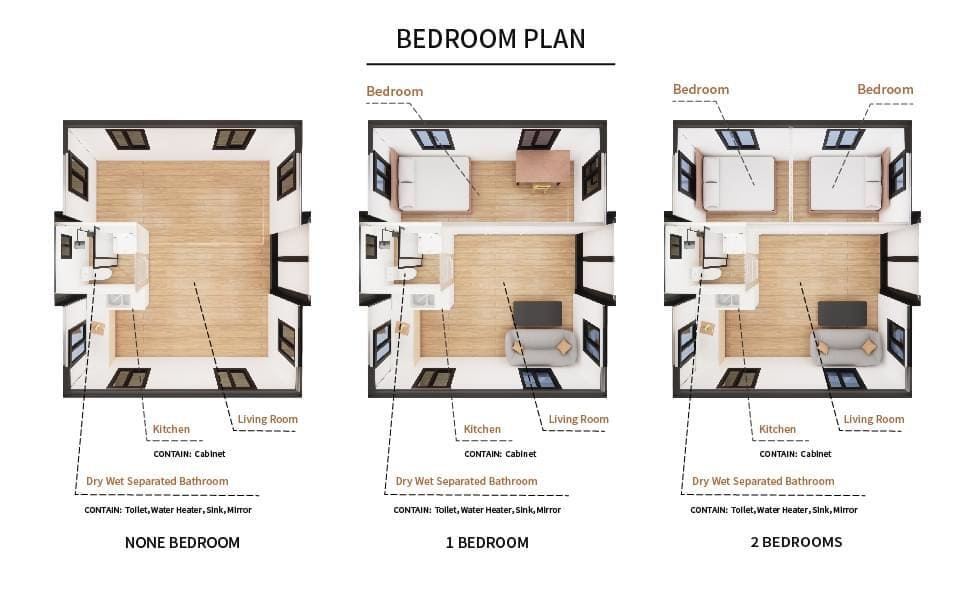
Every square meter counts inside a container house. Start by defining zones: living area, kitchen, bathroom, and sleeping space. Open layouts work best, allowing light and air to flow freely.
Consider these layout tips:
Use modular furniture like folding tables, retractable beds, and wall-mounted desks.
Keep traffic flow clear by aligning furniture along walls.
Install sliding doors instead of hinged ones to save space.
For multi-module homes, connecting two expandable units can double your interior space while keeping an open, flexible design.
🔗 See how to connect multiple units in our Transport and Installation Guide.
Lighting and Color Design
Lighting greatly affects the atmosphere and sense of space. Natural light is your best friend — large windows, glass doors, or skylights instantly expand the visual area.
Interior lighting tips:
Use LED strips along ceilings or under cabinets for ambient light.
Choose warm white tones for a cozy feel, or cool light for modern minimalism.
Include dimmer switches to adjust mood and brightness.
When it comes to colors, light shades like beige, cream, or pastel tones create a more spacious effect. You can add depth with accent walls in darker tones, wood textures, or metallic finishes.
Furniture and Storage Solutions
Compact homes require smart furniture choices. Multi-purpose and foldable pieces can drastically improve comfort and organization.
Recommended furniture ideas:
Convertible sofas that turn into beds.
Fold-down dining tables or wall desks.
Under-bed storage drawers for extra space.
Vertical shelving or hanging racks to utilize wall height.
Use built-in cabinetry wherever possible. These not only save space but also provide a seamless, tidy look that fits perfectly with the home’s modular nature.
Materials and Finishing Touches
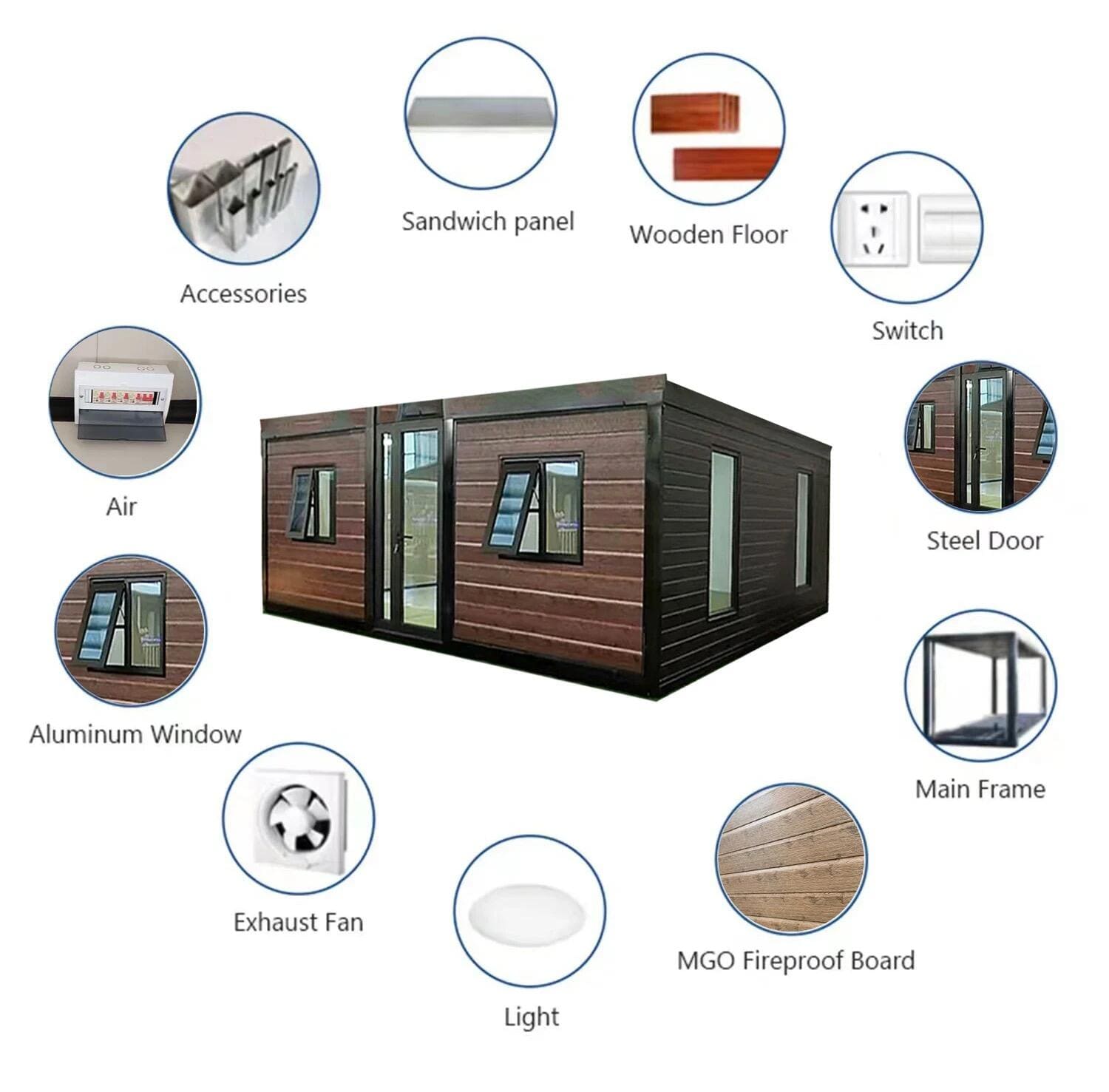
Interior materials affect both comfort and energy efficiency. Choose finishes that are lightweight, durable, and easy to maintain:
Walls: PVC panels, wood veneer, or thermal insulation boards.
Floors: Vinyl planks or laminate wood for durability and style.
Ceilings: White-coated panels to enhance brightness.
Adding plants, textiles, or artwork helps personalize the space — turning a simple structure into a home with character.
Smart Living Features
Modern expandable container homes can easily integrate smart home systems for comfort and efficiency. Consider:
Smart thermostats to regulate temperature automatically.
LED lighting control apps for ambiance.
Compact solar kits for off-grid energy independence.
These upgrades not only improve daily living but also boost your home’s sustainability value.
Conclusion
Good interior design transforms an expandable container house from a temporary shelter into a permanent, enjoyable home. Through thoughtful layout planning, light optimization, and smart furniture selection, you can achieve both functionality and beauty in a limited space.
Whether you prefer a minimalist look or a cozy cabin vibe, your container home can reflect your lifestyle perfectly.
🔗 Next, explore sustainable design ideas in our Eco-Friendly Expandable Container Homes Guide.