Expandable container homes aren’t just convenient and portable — they’re also a sustainable housing solution. With rising concerns about climate change and resource efficiency, modular container homes offer eco-friendly benefits through design, materials, and energy use.
This guide explains how green materials, energy efficiency, and smart design make expandable container homes ideal for modern sustainable living.
1. Recycled and Sustainable Materials
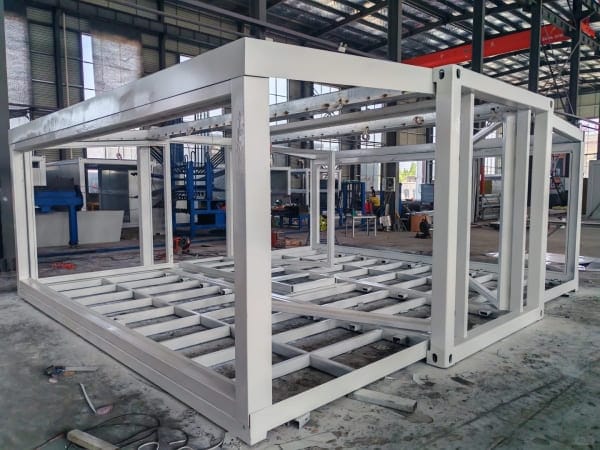
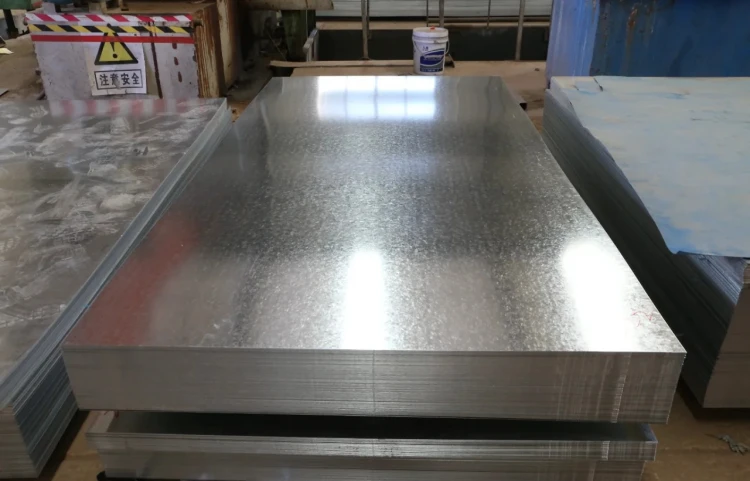
The core structure of most expandable container homes is recycled steel. Using repurposed shipping containers reduces demand for new raw materials, lowering carbon emissions.
Other eco-friendly materials include:
Insulation panels made from recycled foam or natural fibers.
Low-VOC paints and coatings to improve indoor air quality.
Eco-friendly flooring like bamboo, cork, or recycled vinyl.
These materials not only minimize environmental impact but also provide durable, long-lasting performance.
🔗 Learn more about structural components in our Expandable Container Home Structure Guide.
2. Energy Efficiency and Thermal Performance
Expandable container homes are designed for high thermal efficiency, reducing energy consumption for heating and cooling. Key features include:
Insulated wall panels that maintain indoor temperature.
Double-glazed windows to reduce heat loss.
Reflective or light-colored roof panels to lower solar heat gain.
Energy-efficient design means lower utility bills and a smaller carbon footprint, making these homes ideal for off-grid or low-energy living.
3. Compact and Minimal Footprint
Because expandable container homes fold for transport, they occupy minimal space during delivery and installation. Once expanded, the modular layout allows efficient land use.
This compact footprint benefits:
Urban areas where land is scarce.
Temporary sites like construction camps or disaster relief housing.
Minimal environmental disruption, preserving natural vegetation and soil integrity.
4. Renewable Energy Integration
Many expandable container homes can integrate renewable energy systems:
Solar panels for electricity generation.
Rainwater harvesting systems for non-potable water use.
Energy-efficient LED lighting and smart appliances to reduce electricity demand.
These systems enhance self-sufficiency, allowing homes to operate off-grid in remote locations.
5. Durability and Reusability
One of the most sustainable aspects is reusability. Container homes can be:
Folded and relocated multiple times without major reconstruction.
Refurbished or retrofitted with updated insulation or utilities.
Recycled at the end of life with minimal waste.
Durable, relocatable design reduces the need for repeated construction, saving both resources and energy.
Conclusion
Expandable container homes provide a modern, eco-friendly alternative to traditional housing.
By combining recycled materials, energy-efficient design, and modular reusability, they reduce environmental impact while offering flexible, comfortable living.
Whether for urban living, remote retreats, or temporary projects, these homes exemplify sustainable innovation in modular architecture.