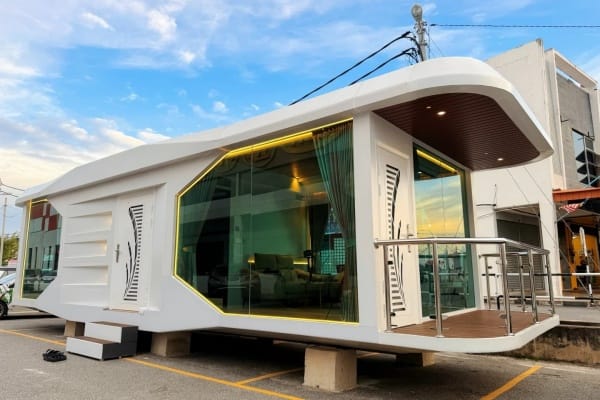
Do you love the sleek look of capsule houses with their panoramic glass walls? Many of these futuristic homes use advanced insulated glazing units (IGUs) rather than the single-pane glass used in traditional buildings.
These modern windows—double or triple glazed—not only shape the view but also protect against heat loss, noise, condensation, and intruders. In this guide, you’ll learn how each option works and how to choose the right one for your capsule house.
1. Double vs Triple Glazing: What Capsule Houses Use
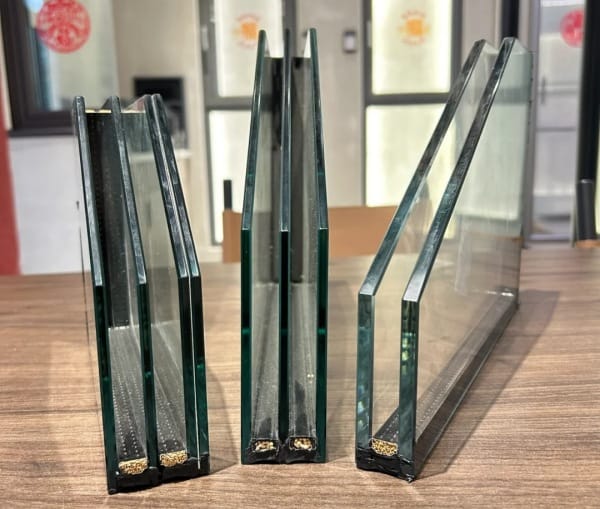
Capsule houses typically use IGUs (Insulated Glass Units) with two or three layers of tempered glass. Between these panes sits an airtight spacer filled with argon or krypton gas, which slows heat transfer.
Each IGU has a Low-E (low emissivity) coating that reflects heat back inside during winter and keeps excess heat out in summer.
Double glazing: two glass panes (e.g., “6–12–6”) separated by an argon-filled gap.
Triple glazing: three glass panes (e.g., “6–12–6–12–6”) with two gas-filled cavities for enhanced insulation.
The extra pane in triple glazing improves thermal and acoustic insulation, which is why premium capsule houses often use it.
2. Best Glazing by Climate and Usage
Climate plays the biggest role in deciding between double and triple glazing.
Mild or temperate regions:
Double-glazed Low-E windows with argon fill are usually sufficient. They balance cost, comfort, and sunlight capture—ideal for sun-facing capsule houses.Cold or windy regions:
Triple glazing offers superior insulation, reduces condensation, and keeps interiors warmer. Its lower U-value provides higher energy efficiency and comfort in snowy or harsh climates.
Keep in mind, triple panes add weight and cost, so ensure your capsule’s frames and hardware can handle it.
In short:
→ Choose double glazing for moderate climates or cost efficiency.
→ Choose triple glazing for cold regions or top-tier performance.
3. Low-E Coatings, Gas Fills, and Spacers
These three factors define your IGU’s efficiency:
➜ Low-E Coatings
High Solar-Gain (High-SHGC): Ideal for cold climates—lets in more heat.
Low Solar-Gain (Low-SHGC): Best for hot climates—reflects heat away.
Choose based on your climate and window orientation.
➜ Gas Fills
Argon gas: Standard choice; affordable and effective for 12–16mm gaps.
Krypton gas: Better for narrow gaps or extreme insulation; more expensive.
➜ Spacer Bars
Avoid traditional metal spacers that conduct heat. Instead, use “warm-edge” spacers made from low-conductivity materials to prevent condensation and keep the inner glass edge warmer in winter.
4. Frames, Hardware, and Thermal Breaks for Capsule Shells
Frame materials significantly affect energy performance. Capsule houses often use steel, aluminum, or fiberglass shells, which can conduct heat without thermal breaks.
Choose frames with built-in thermal barriers or use uPVC/fiberglass frames to reduce heat loss.
For triple glazing, ensure hinges, rollers, and fasteners are rated for extra weight.
In curved or shaped capsules, use flexible sealants and setting blocks that can bend without damaging glass layers.
Always confirm with your supplier or engineer that your frames and hardware can support heavy IGUs.
5. Large Panoramic Windows and Curved Glass Options

Capsule homes often feature large glazed walls or skylights, making safety and structure crucial.
Tempered glass: Strong and heat-resistant; shatters into blunt pieces.
Laminated glass: Holds together when broken; best for skylights or overhead glazing.
Always verify that glass near entrances or roofs meets local safety codes.
For curved capsule designs, use flexible silicone spacers that adapt to the glass radius. Even curved triple glazing is possible, but only within certain bending limits. Consult your glass engineer before specifying.
Also, plan for snow and rain control. Install snow diverters or guards above large windows to prevent snow buildup or sliding loads.
6. Condensation, Noise, and Comfort
Your comfort in a capsule house depends on three main ratings:
U-Factor: Lower is better; indicates insulation strength.
SHGC: Adjust for direction—higher on sunny facades, lower on shaded ones.
Condensation Resistance (CR): Aim for CR > 50 to prevent fogging.
For noise reduction, use laminated acoustic glass or vary pane thickness to absorb vibrations. Laminated glass with PVB or acoustic interlayers provides quiet interiors—perfect for compact living spaces.
By choosing the right glazing, coatings, and frame materials, your capsule house will remain warm, quiet, and energy-efficient year-round.
Conclusion
Double and triple glazed windows both bring major advantages to capsule houses.
Double glazing offers a cost-effective, lightweight solution for moderate climates.
Triple glazing delivers top insulation and comfort in cold or windy zones.
Your choice depends on your climate, budget, and comfort goals—but either way, modern IGUs will greatly enhance the performance and livability of your capsule home.
FAQ
1. What’s the main difference between double and triple glazing?
Triple glazing has an extra glass pane and gas cavity, providing better insulation and noise reduction.
2. Which glazing is better for capsule houses in cold climates?
Triple glazing, because it prevents heat loss, reduces condensation, and improves comfort during winter.
3. Can capsule houses use curved triple glazed windows?
Yes, but within limited bending radii. Consult fabricators for flexible spacers and structural support.
4. How do Low-E coatings help in glazing?
Low-E coatings reflect heat, keeping interiors warm in winter and cool in summer—improving energy efficiency.