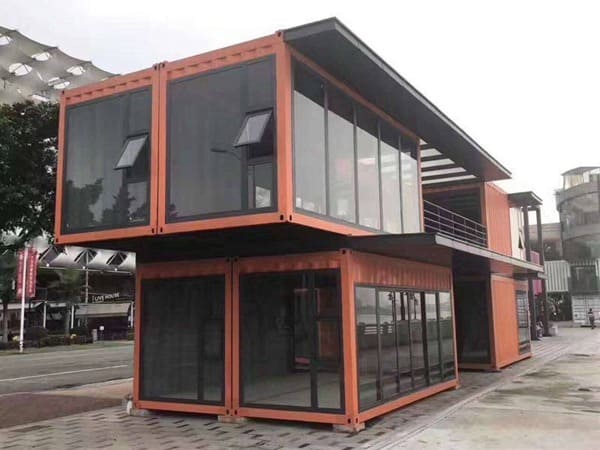
As global awareness of environmental protection and sustainable development grows, container houses are becoming increasingly popular for their affordability, flexibility, and eco-friendly design.
1. Cost-Effective and Economical
Compared with traditional brick-and-concrete structures, container houses are significantly more affordable.
The primary materials — recycled shipping containers — are inexpensive and readily available.
Moreover, container homes feature shorter construction periods, reducing both labor and time costs.
Maintenance is simple and affordable, requiring only basic upkeep instead of large-scale repairs.
In the long run, container homes provide excellent economic value and a strong return on investment.
2. High Flexibility and Easy Installation
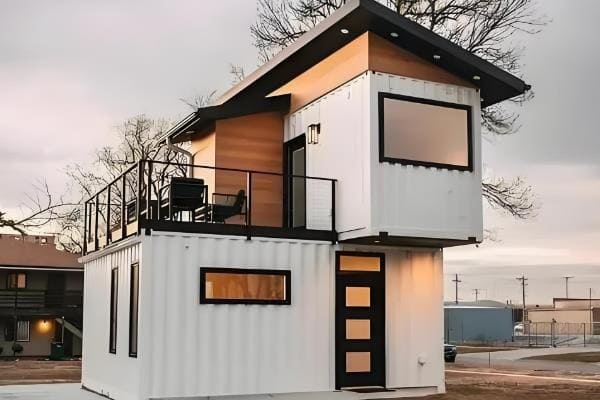
One of the most attractive advantages of a prefab container is its flexibility.
Lightweight and modular, these houses can be assembled, disassembled, and relocated with ease.
They are perfect for temporary structures such as disaster relief shelters, construction site offices, or event spaces — providing reliable, ready-to-use accommodations in record time.
Customization options like partitions, doors, windows, and insulation upgrades allow them to adapt to any project requirement.
3. Wide Range of Applications
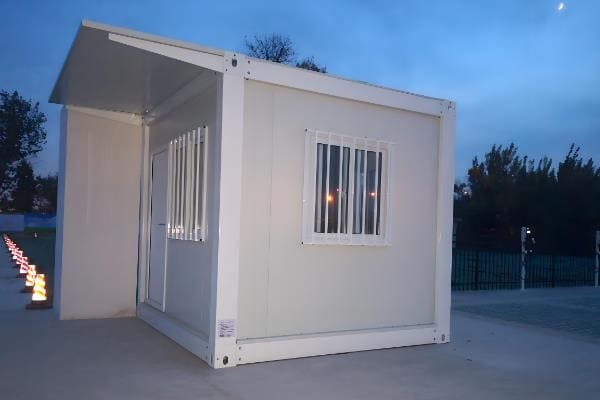
Container houses can serve many purposes, making them suitable for both temporary and permanent projects.
Residential Homes
They can be transformed into cozy apartments, family houses, or vacation cottages — offering stylish, customizable spaces.
Commercial Buildings
From offices to cafés and pop-up stores, container houses provide modern aesthetics and quick setup — ideal for growing businesses.
Educational Facilities
Perfect for schools, training centers, or libraries, container structures can be built quickly to meet emergency or long-term educational needs.
Temporary Facilities
Used as offices, dormitories, or medical centers, prefab containers provide efficient temporary solutions for short-term use or emergency response.
Tourism and Leisure
In tourism, they’re ideal for resorts, glamping sites, and cabins — blending seamlessly with nature while providing comfort and style.
Social and Humanitarian Projects
Container houses support low-income housing, refugee shelters, and disaster reconstruction, improving living conditions with affordable, sustainable solutions.
4. Safe, Comfortable, and Sustainable
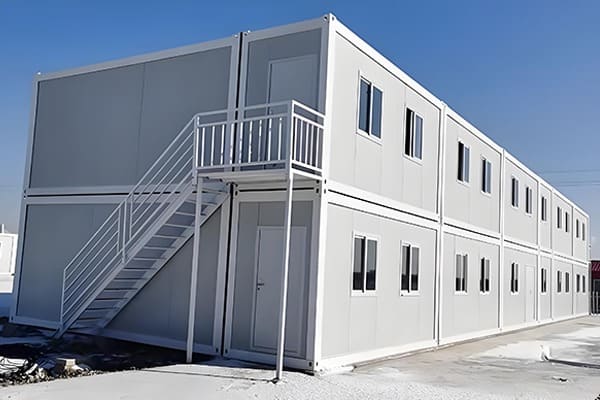
Beyond versatility, container houses offer safety, comfort, and sustainability.
Built with durable materials and advanced insulation, they provide strong protection and excellent energy efficiency.
They minimize construction waste and carbon emissions, aligning perfectly with global green-building goals.
Today, container houses are widely adopted across industries — from construction to research, rescue, and emergency housing — proving their long-term reliability and environmental value.
🌿 Conclusion: Building a Greener, Smarter Future
The growing demand for sustainable, affordable, and flexible housing has made container houses a cornerstone of modern living.
Their combination of cost-efficiency, mobility, and eco-friendly construction meets both residential and commercial needs.
As technology and design continue to evolve, prefabricated container homes will play a key role in shaping the future of sustainable architecture — helping communities build smarter, greener, and more resilient spaces for generations to come.