Container homes are more than steel boxes — they are highly customizable living spaces that suit modern lifestyles. After understanding container home costs in our first guide (read: Container Home Cost Guide 2025) you are ready to plan the actual design.
👉 For pricing and factors, see our first article: 2025 Container Home Cost Guide
In this article, we explore layouts, planning essentials, and space-saving ideas for your container home project.
What Makes Container Home Design Different?
Unlike traditional houses, container homes require careful planning to:
Maximize narrow rectangular space
Preserve structural integrity
Integrate insulation, plumbing, and electrical systems
Comply with zoning and climate requirements
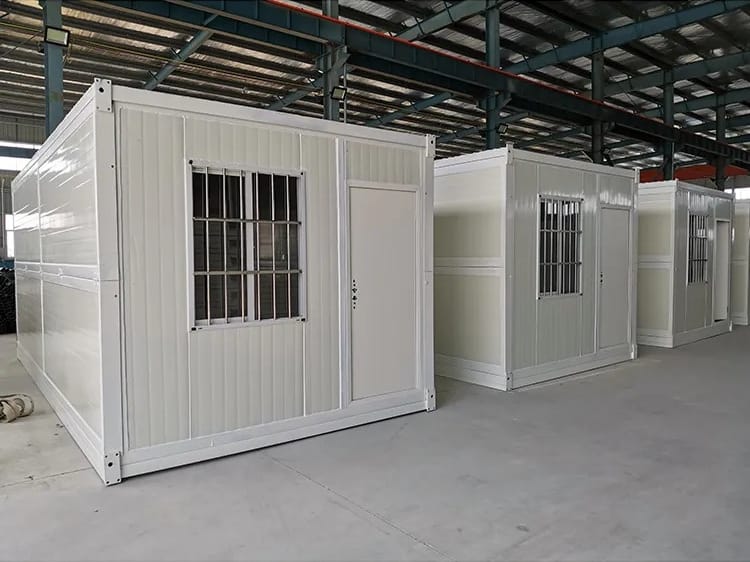
Best Container Home Layouts (With Examples)
1. Single-Module Layout (20ft / 40ft)
Perfect for students, freelancers, or tiny-home living.
Typical layout includes:
Bedroom + living area
Mini kitchen
Compact bathroom
Pros: Low cost, fast build
Cons: Limited storage
2. Multi-Module Family Layout (Two or Three Containers)
Ideal for small families needing separate rooms.
Sample layout:
2 bedrooms
Shared living space
Full kitchen + full bathroom
Optional deck
Tip: Cross-module connections require structural reinforcement.
3. L-Shaped or U-Shaped Layout
Best for achieving a courtyard feel.
Benefits include:
Improved natural lighting
Private outdoor space
Increased usable area
4. Loft + Double-Height Designs
Container stacking allows for creative vertical layouts.
Perfect for:
Modern living
Minimalist homes
Airy interior space
Essential Planning Tips Before Building
1. Understand Local Regulations
Some regions restrict container housing. Check building codes early.
2. Prioritize Insulation and Ventilation
Containers heat quickly. Insulation is mandatory in most climates.
3. Plan Ahead for Plumbing & Electrical
Pre-routing systems saves time and avoids rework.
4. Choose the Right Windows & Openings
Large windows improve natural lighting and reduce power use.
5. Optimize Storage with Vertical Solutions
Use built-ins to maximize narrow spaces.
How to Design Cost-Effectively
Use prefabricated modules
Avoid unnecessary structural cuts
Choose standard-size windows and doors
Combine indoor + outdoor spaces
Start with essential rooms, expand later
FAQ
Can I create an open-concept design in a container home?
Yes, but large cuts must be reinforced to protect structural strength.
How many containers do I need for a 3-bedroom home?
Most 3-bedroom layouts use 3–5 containers.
Is it possible to build a 2-story container home?
Absolutely. Many modern designs stack 3–8 containers safely.
Summary
A well-planned container home balances function, comfort, and aesthetic appeal. With clear layout strategies and smart design choices, you can build a comfortable living space within any budget. Whether using a single module or a multi-container configuration, thoughtful planning ensures your home remains durable, efficient, and cost-effective.