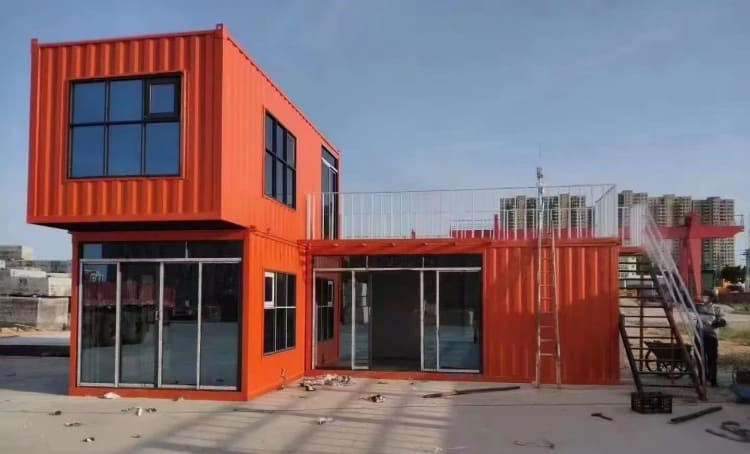
Generally, the cost of a container house falls between $25,000 and $150,000. Simple DIY-style cabins may cost $10,000–$35,000, while fully equipped, multi-container modern homes often range from $80,000 to $250,000.
These prices vary based on size, structure, foundation, interior finish, and local labor costs.
In this guide, we break down the full pricing structure so you can plan your budget confidently and avoid unexpected expenses.
Why Are Container Homes Becoming So Popular?
As more people explore alternative housing options, container homes are gaining enormous popularity. They offer an eco-friendly, industrial aesthetic with modular flexibility and quicker construction times than many traditional builds.
In a world where housing prices continue to rise, container homes meet three key needs:
affordable + fast to build + durable & stylish.
Key Advantages
Mobility: Your home can theoretically be relocated at any time.
Modularity & speed: Most structural work is completed in the factory, and on-site assembly is rapid.
Cost-effectiveness: Often more affordable than wood-frame or concrete homes.
Aesthetic & durable: Industrial style suits modern homes, cafés, Airbnb, or boutique businesses.
This makes container homes popular among creatives, small resorts, homestay operators, small families, and those seeking unique spaces.
What Is a Container House?
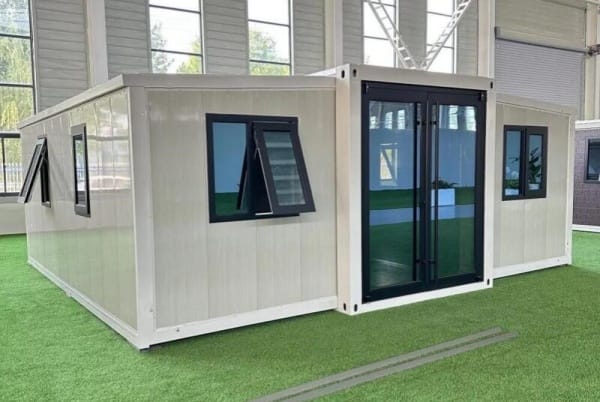
A container home is a repurposed building structure made from standard 20ft, 40ft, or 40HQ shipping containers.
After cutting, reinforcing, insulating, and interior finishing, they become fully functional living spaces.
Container homes can be:
A single-container cabin
A two-bedroom home from two joined containers
A multi-container villa or commercial building
Professional modular building brands such as BST offer integrated solutions—from reinforcement and insulation to interior layout, transportation, and installation—providing higher-quality living experiences.
Average Cost of Container Homes
To help you quickly understand your budget, here are three typical price ranges with recommended use cases.
1. Entry-Level / DIY Container Homes ($10,000–$35,000)

Ideal for DIY enthusiasts or those needing a small, simple space.
Common features:
Basic structural container
Basic insulation
Simple plumbing & electrical
Basic ventilation
Best for:
Weekend cabins
Camp reception/guard rooms
Artist studios
Small outdoor offices
Storage rooms
This range focuses on function over luxury and is suitable if you don’t need high comfort levels.
2. Mid-Range Container Homes ($35,000–$150,000)
✨ Most popular category
This is the most common option for families and small commercial projects.
Typical configuration:
Full insulation system for year-round living
Plumbing, electricity, and HVAC
Fully equipped kitchen & bathroom
Quality windows, doors, and basic furniture
Modern interior finishes
Best for:
Studio apartments
Small family homes
Long-term vacation homes
Guesthouses / Airbnb
Coffee shops or brand display spaces
If you want your container home to feel like a real house—not just a temporary unit—this category is ideal.
3. High-End / Multi-Container Homes ($120,000–$250,000+)
This category goes beyond “simple homes” and approaches traditional modern architecture.
Typical features:
Multi-container combinations (L-shaped, T-shaped, two-story)
High-end interior finishes
Advanced cutting and steel reinforcement
Smart home systems
Professional landscape & site planning
High-efficiency HVAC systems
Suitable for:
Luxury residences
Boutique resorts
Container villas
Brand showrooms
Commercial exhibition spaces
Art galleries
These projects achieve architectural-level aesthetics and functionality.
Main Factors Affecting Container Home Prices
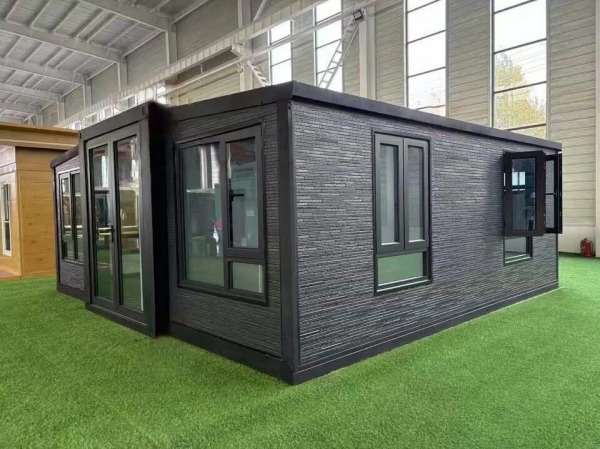
Container home costs come from multiple sources. Here are the major ones:
1. Price of the shipping container
Typically $1,500–$4,500 depending on:
New or used
20ft / 40ft / 40HQ
Local availability
2. Foundation Costs
Essential after the container arrives. Ranges $3,000–$18,000 depending on:
Concrete piers
Steel stilts
Full concrete slab
Soil conditions & climate
3. Insulation & Internal Structural Work
Critical because containers are metal.
Costs range $5,000–$25,000, depending on materials:
Spray foam
Rock wool
SIP panels
4. Window Installation, Cutting & Reinforcement
More openings = higher cost.
Typical range: $3,000–$20,000
Large floor-to-ceiling windows significantly increase structural reinforcement costs.
5. Interior Decoration
Includes:
Flooring
Wall panels
Kitchen systems
Bathroom fixtures
Furniture
Simple interiors may cost a few thousand, while high-end designs can exceed $50,000.
6. Plumbing, Electrical & HVAC
Depending on municipal connections or independent systems:
$5,000–$30,000
7. Site Preparation & Transportation
Includes:
Lifting
Leveling
Transportation
Range: $1,000–$12,000 depending on distance and terrain.
8. Labor Costs
Often 30–50% of the total budget.
DIY can reduce some costs, but structural work should always be handled by professionals such as BST.
Are Container Homes Really Cheaper Than Traditional Houses?
The honest answer: it depends.
Container homes offer:
Faster construction
Lower material waste
Flexible layouts
But if you choose:
Large custom cuts
High-end interiors
Multiple containers
Then total cost may equal or exceed traditional construction.
The goal is not the “cheapest” house, but the house that best fits your needs.
Hidden Costs You Might Overlook
Be aware of potential additional expenses:
Structural reinforcement after cutting
Local building permits & compliance fees
Anti-corrosion treatment
Fire-resistant materials
City inspection fees
Knowing these in advance helps you avoid future budget pressure.
Conclusion
Container homes offer a unique combination of affordability, speed, modular design, and modern aesthetics. While costs vary widely—from $10,000 DIY cabins to $250,000+ luxury modular villas—a clear understanding of the major price factors helps you plan effectively and avoid hidden expenses.
Whether you are building a cabin, a family home, or a high-end commercial project, container homes provide flexible options suited to different lifestyles and budgets.