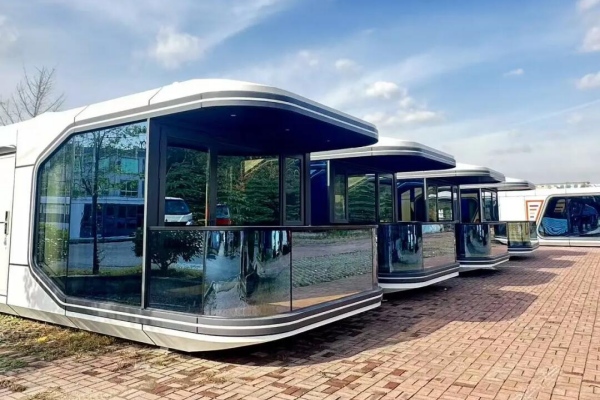
Capsule houses are gaining popularity as compact, affordable, and sustainable living options. However, before you place a capsule house on any property, understanding zoning regulations is essential. Zoning dictates where capsule houses can legally exist, how large they can be, whether they qualify as permanent dwellings, and what requirements they must meet.
This comprehensive guide explores zoning categories, restrictions, and compliance strategies to help you avoid legal obstacles and start your capsule house project with confidence.
1. What Are Zoning Laws and Why Do They Matter?
Zoning laws divide land into categories that regulate how properties can be used. These rules determine:
Where capsule houses can be placed
Whether they qualify as permanent dwellings or temporary structures
Utility requirements
Foundation or mobility restrictions
Minimum lot size and setback rules
Capsule houses may fall under categories such as:
Modular housing
Accessory Dwelling Unit (ADU)
Tiny house on wheels (THOW)
Recreational or temporary housing
Misclassifying your capsule house can lead to fines, eviction, or mandatory removal—so accurate zoning identification is crucial.
2. Common Zoning Categories That Allow Capsule Houses
✔ Residential Zones (R1, R2, R3)
Some cities permit capsule houses as:
Secondary units
Guest houses
Detached ADUs
These zones often require compliance with local architectural standards.
✔ Mixed-use Zones
Ideal for capsule houses intended for rental use, tourism, or short-term lodging.
✔ Rural or Agricultural Zones
These areas typically offer the highest flexibility, making them excellent choices for capsule house communities or off-grid living.
✔ Commercial Zones
Capsule houses may be used as temporary offices or worker housing but not always as residences.
3. Size, Height & Placement Restrictions
✔ Minimum size requirements
Some cities require minimum square footage for permanent homes. Capsule houses typically meet the lower threshold if designed properly.
✔ Maximum height restrictions
Zoning codes may limit building height, particularly in dense urban areas.
✔ Setbacks & property boundaries
Cities often require minimum distances from:
The street
Neighboring properties
Utility easements
Violating setbacks can delay approvals significantly.
4. Foundation & Mobility Requirements
Depending on your classification, you may need:
A permanent foundation
A semi-permanent anchoring system
Tie-downs (in coastal or high-wind regions)
Elevation (in flood zones)
Homes on wheels may face stricter restrictions than modular units.
5. Strategies to Satisfy Zoning Regulations
✔ 1. Verify zoning early
Use your city’s zoning map or visit the planning office.
✔ 2. Submit a preliminary review
Many municipalities offer free pre-application meetings.
✔ 3. Select a zoning-friendly capsule house model
Some modern modular capsule houses already meet local codes.
✔ 4. Engage a zoning consultant
Professionals can interpret complex zoning codes on your behalf.
✔ 5. Prepare clear documentation
Site maps, elevation drawings, and neighborhood impact assessments can accelerate approval.
6. When Zoning Variances Are Needed
If your capsule house doesn’t meet local zoning rules, you may request a variance, which requires:
Public hearings
Community approval
Demonstrating no negative impact on the surrounding area
This process can take several weeks but is often worth it.
Conclusion
If you want a safe and quality prefab home, we at BST offer you the best solutions and high-quality prefab homes. Our Prefab homes come with modern designs and sturdy construction. You can easily build your dream home with us and benefit from quick installation.