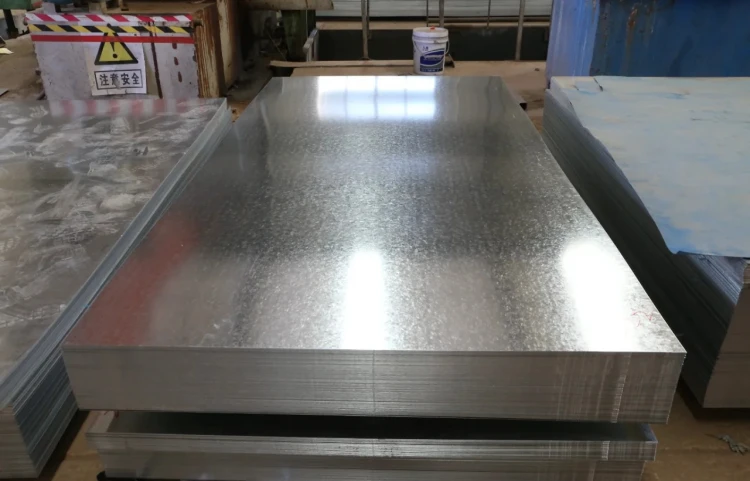
Interior design is more than looks—it’s about how you feel living in your space. Capsule houses focus on smart use of every inch, combining style, function, and comfort.
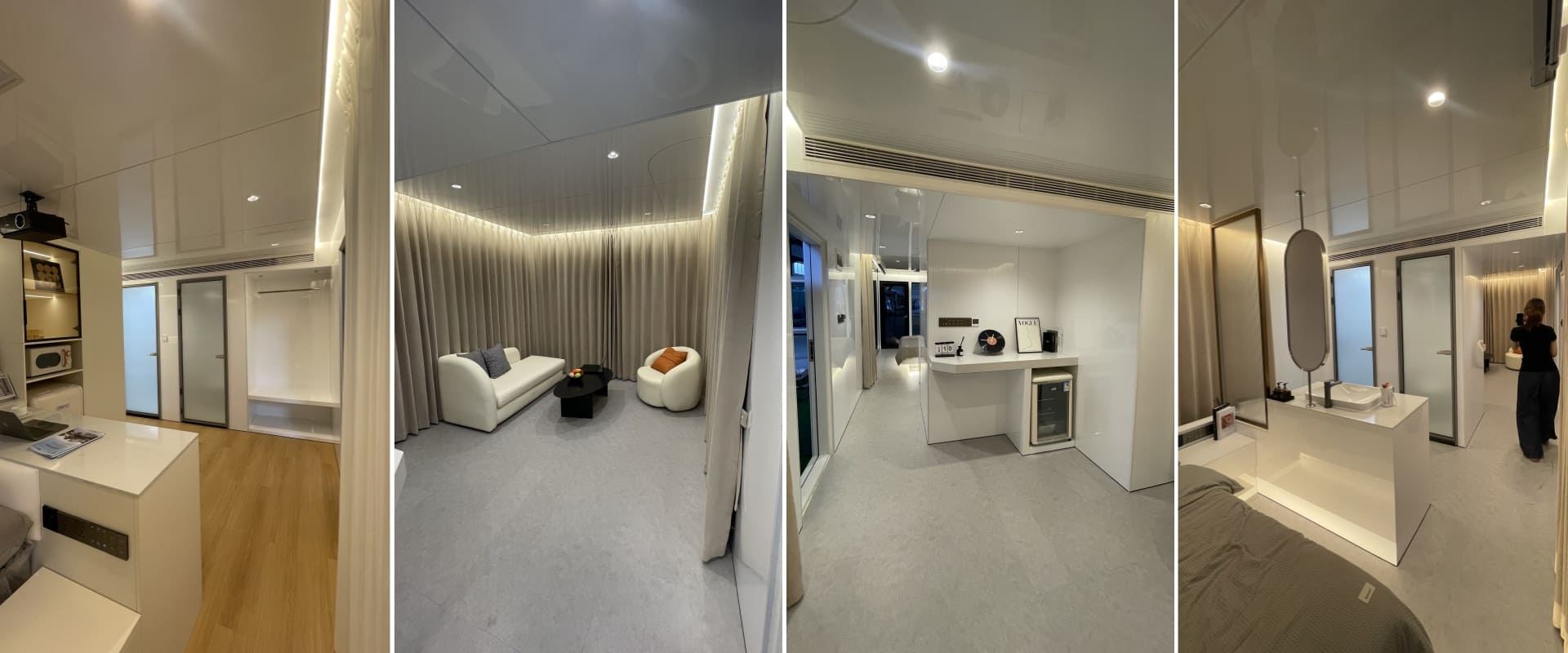
Keep reading to discover step-by-step tips for arranging and decorating your capsule house.
Why Interior Design Matters
Good design creates a positive first impression for guests and enhances your own living experience.
A well-decorated capsule home looks better in photos and feels inviting.
Clear layouts make cleaning and maintenance easier.
Keep walkways open and uncluttered to enhance movement and comfort.
Allow natural light and fresh air to circulate for a breathable environment.

Structure Basics: Straight Walls & Service Core
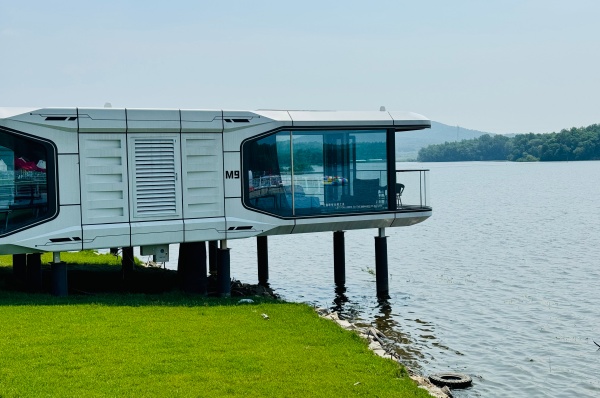
Most capsule houses have rectangular frames with plumbing and wiring concentrated along service walls.
Plan kitchen and bathroom along these service walls.
Include access panels for maintenance to reach hidden pipes or valves.
Layout and Circulation
Create clear zones: sleeping, sitting, and storage.
Example: bed at one end, seating in the middle, storage at the other wall.
Keep a straight path from entrance → bed → bathroom.
Avoid blocking doors and circulation lines.
✅ This creates a calm, open, and relaxing environment in a limited space.
Storage on Flat Walls
Maximize space by using long walls for storage.
Shallow cabinets, open shelves, or overhead storage above beds.
Hooks or rails near entryways for coats and bags.
Prefer closed-front storage to hide clutter and keep dust out.
Built-in furniture and toe-kick drawers utilize every inch effectively.
Windows, Daylight, and Privacy
Strategically place windows to balance natural light and privacy.
Avoid direct sunlight on bed or desk areas.
Use blinds, shades, or curtains to block light when needed.
Mirrors can enhance light distribution and create a feeling of spaciousness.
Lighting for Comfort and Tasks
Use layered lighting for flexibility:
| Layer | Function | Recommended Placement |
|---|---|---|
| Ambient | General illumination | Ceiling light |
| Task | Focused work/reading | Desk lamp, bedside light |
| Accent | Cozy atmosphere | Soft wall or floor lamps |
Use warm white (2700–3000K) for relaxing areas.
Neutral white (3500–4100K) is ideal for desks, counters, or kitchens.
Natural Airflow and Moisture Control
Proper ventilation keeps your capsule fresh and dry.
Install quiet, continuous or timer-controlled vents.
Bathroom fans should vent outside directly.
Seal gaps around pipes and electrical fittings.
Slightly slope shower floors toward drains to avoid pooling water.
Quiet Room & Easy-to-Clean Finishes
Enhance comfort and reduce maintenance:
Use curtains, rugs, and upholstered panels to absorb noise.
Install soft-close hinges on cabinets.
Choose low-VOC paint and durable, light-colored finishes (satin or eggshell).
Wipeable surfaces make cleaning simple while maintaining brightness.
Power and Service Access
Plan outlets and panels carefully:
Place USB and power outlets at desk and bed height.
Reserve floor-level outlets for small appliances.
Label circuits in panels clearly for easy maintenance.
Keep electrical and plumbing panels accessible, avoid blocking with furniture.
🧾 Conclusion
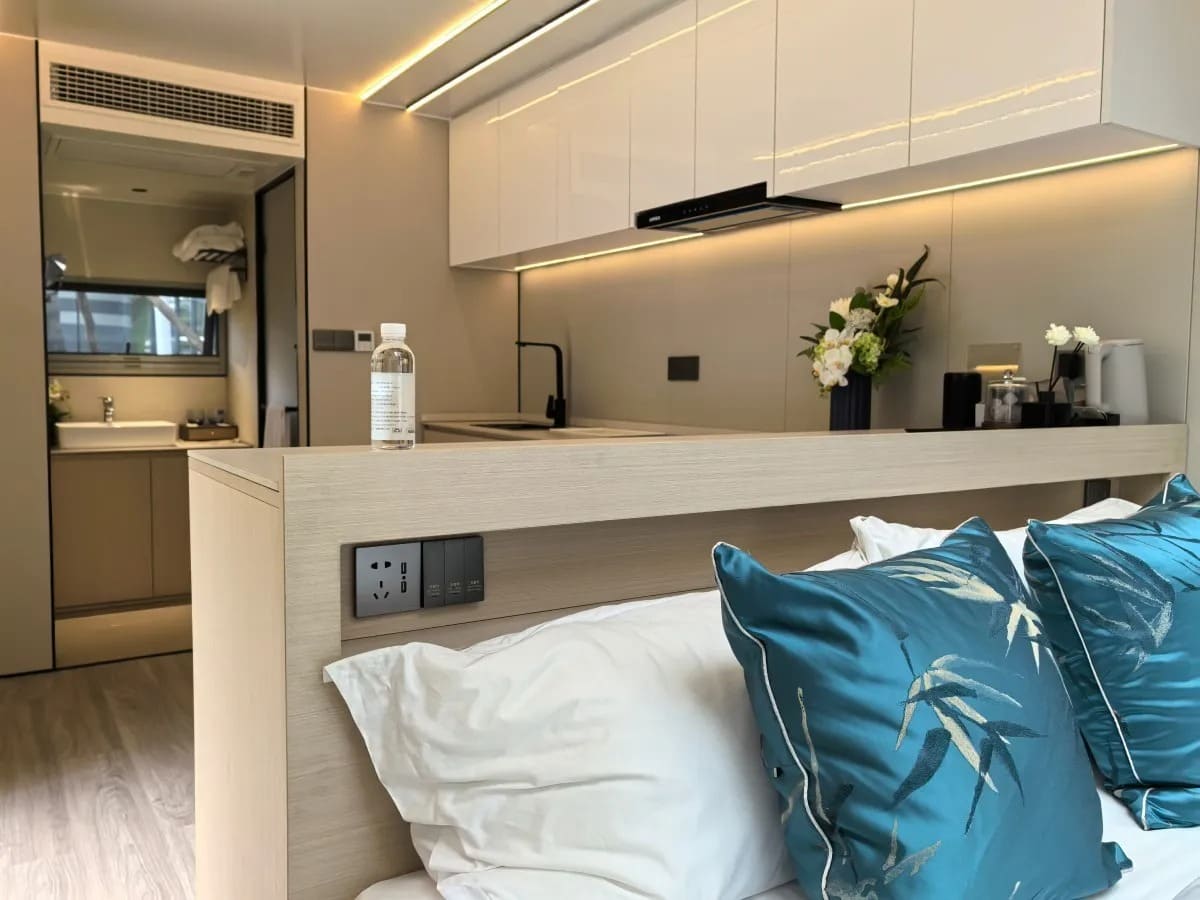
Even small capsule homes can feel cozy, open, and functional with smart interior design:
Clear zoning → storage → natural light → layered lighting → ventilation → noise control → easy maintenance.
Start with thoughtful planning, and your tiny home can feel effortlessly stylish and comfortable
.
❓ FAQ
Q1: How can I make a tiny capsule home feel spacious?
A: Use straight paths, zoned layouts, mirrors, natural light, and layered lighting.
Q2: What storage options are best for capsule houses?
A: Built-in furniture, shallow cabinets, overhead shelves, and closed-front storage maximize space.
Q3: How do I ensure good ventilation in a small capsule home?
A: Install quiet vents, bathroom fans vented outside, and seal gaps to prevent moisture buildup.