Owning a capsule house in North America is possible—but it requires careful planning. From proper permits to the right loan type, banks will check every detail before approval. This guide walks you step by step through financing options, requirements, and tips to make the process easier.
1. Choose Your Financing Path
i) Owned Land with Permanent Foundation
If you have land and fix the capsule to the ground, it may be considered real property. You’ll need:
Permits and inspections
Utility connections
Clear land title
Benefits: Lower interest rates and long-term security. Prefabs must comply with building codes.
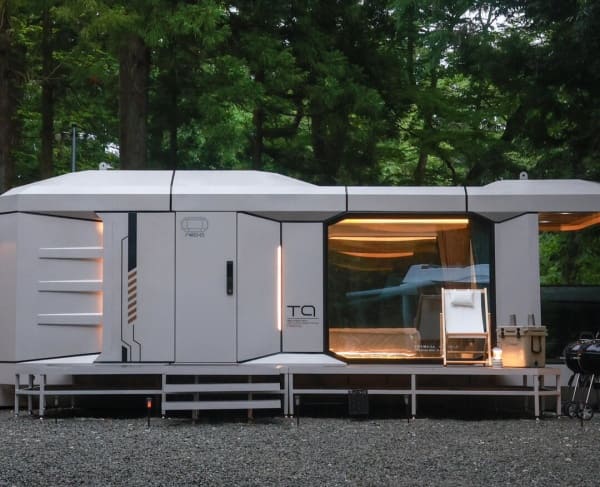
ii) Construction-to-Permanent Loan
You can finance a new capsule house as a construction loan, then convert it to a standard mortgage once completed and inspected.
Key points:
Must meet housing codes
Requires bank review of plans and progress
Extra documentation and inspections needed
iii) ADU or Addition to Existing Home
Place the capsule in your backyard as an Accessory Dwelling Unit (ADU).
Requirements:
Local permit for ADU
Compliance with zoning laws, size, and rental limits
Home loan, refinancing, or home equity line options
iv) Moveable Unit or Leased Land
Mobile capsules on rented land are treated as personal property. Loan options include:
Chattel loan
RV loan
Personal or business loan
Notes: Low down payment, higher interest rates, and shorter terms.
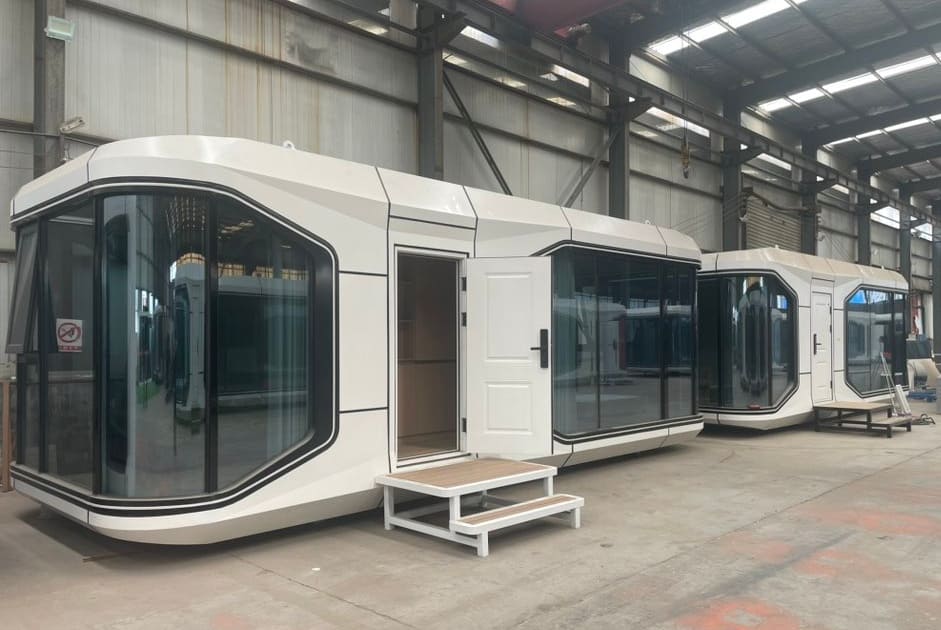
v) Resort or Rental Business Use
Using capsule homes for tourism or rentals is considered a business. Lenders may provide:
Small business loans
Equipment loans
SBA loans
Requirements: Business plan, cash flow statements, and contracts.
vi) Builder or Manufacturer Programs
Some manufacturers offer short-term financing or installment plans. Once the capsule is ready, you can convert it into a standard mortgage.
Tip: Check interest, fees, and loan terms carefully.
2. What Lenders Check
i) Property or Personal Property
Banks confirm if you own or rent land. Owned land with a permanent foundation makes approval easier and qualifies for better rates.
ii) Zoning and Permits
Ensure all permits are in place. Compliance with engineering plans and local codes minimizes bank risk.
iii) Price and Inspections
Banks assess capsule value, contractor qualifications, and insurance coverage. This protects the lender and ensures practical loan terms.
iv) Borrower Information
Credit score, income, savings, and repayment plan are reviewed. Strong financial documentation increases approval chances.
3. Loan Terms and Costs
i) Loan Term
Short-term loans: 6–24 months (construction phase). Can convert to long-term mortgage after completion.
ii) Interest Rate
Short-term loans often have higher rates. Long-term mortgages provide lower rates post-construction.
iii) Down Payment
Typically 20–30% to show investment and reduce risk.
iv) Other Expenses
Insurance, permits, and legal estimates are required. Meeting these ensures smoother loan processing.
4. How to Improve Approval Odds
Maintain good credit history: Pay bills and loans on time.
Make a larger down payment (30%+): Reduces bank risk.
Provide income and employment proof: Payslips, bank statements, tax returns.
Keep debt levels low: Fewer loans and credit cards are favorable.
Bring a co-signer if necessary: Helps if credit score is low.
5. Documents You Must Prepare
Identification: Passport, driver’s license, social security card
Proof of income: Bank statements, payslips, tax returns
Employment verification: Job contract or employer letter
Proof of residence: Utility bills, rental receipts
Existing loans: Credit card and loan statements
Conclusion
Financing a capsule house in the US or Canada is manageable with proper planning. Choosing the right loan, preparing permits, and presenting complete financial documents increases approval chances. Whether for personal use, ADUs, or rentals, understanding your options ensures a smooth process.
FAQ
Q1: Can I finance a movable capsule house?
A1: Yes, but loans are treated as personal property (chattel or RV loans) with shorter terms and higher interest rates.
Q2: Are construction-to-permanent loans available for capsules?
A2: Yes, these loans finance construction first, then convert to standard mortgages post-inspection.
Q3: What documents do I need for approval?
A3: ID, proof of income, employment, residence, and existing loan statements.
Q4: Can I place a capsule as an ADU?
A4: Yes, with local permits, zoning compliance, and proper utility connections.
Q5: How can I increase my loan approval chances?
A5: Maintain good credit, make a large down payment, provide complete documentation, and reduce debt.