Buying a house is one of life’s biggest milestones. But with the rising costs of traditional housing, capsule houses—also known as modular or prefabricated homes—are becoming an appealing alternative. Compact, cost-efficient, and sustainable, they’re ideal for singles, couples, families, and retirees alike.
This guide explains what capsule houses are, their pros and cons, budgeting considerations, and essential factors to review before buying one.
1. What Is a Capsule House?
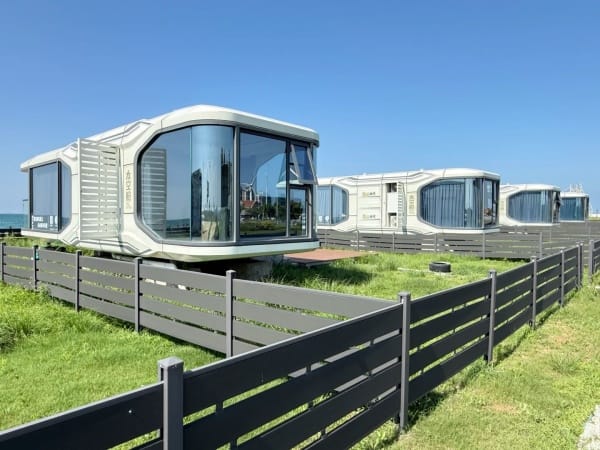
Capsule houses, often called tiny homes, are eco-efficient dwellings designed for compact, sustainable living. Built in factories and delivered to your site, they reduce material waste and logistics costs.
Most range between 200 and 500 sq ft, but can be customized for size and style.
According to industry forecasts, the global prefab housing market will exceed $153 billion by 2026, growing at a 6.9% CAGR—proof of rising demand for affordable housing.
2. Benefits of Capsule Houses
✅ Cost-Efficient:
Traditional homes cost $150–$400 per sq ft, while prefab homes average $100–$200. Even with upgrades, total costs remain far lower, making homeownership accessible.
✅ Faster Construction:
Since capsule houses are largely prebuilt, on-site work takes only a few days or weeks—ideal for buyers needing quick occupancy.
✅ Energy-Efficient and Eco-Friendly:
These homes feature tight insulation and advanced materials like aluminium composites and polyurethane foam, reducing energy use by up to 25% compared with conventional homes.
✅ Flexible Placement:
Capsule homes can be installed almost anywhere—from city plots to rural settings. Add solar panels or composting toilets for off-grid living and lower utility dependence.
3. Potential Disadvantages
⚠️ Zoning and Land Costs:
Local zoning laws or high land prices may limit where capsule houses can be built.
⚠️ Limited Space:
Compact designs may not suit large families, but smart layouts, lofts, and multipurpose furniture can maximize room.
⚠️ Service Access:
In remote areas, connecting to power, water, or sewer systems can increase installation costs.
Ideal for: singles, couples, retirees, small families, and remote workers.
4. Budgeting for a Capsule House
| Type | Cost (per sq ft) | Average Investment |
|---|---|---|
| Standard Prefab | $100–$200 | $30,000–$60,000 |
| Custom Capsule | $200–$350 | $60,000–$100,000 |
Key Cost Factors:
Land Price: Rural plots are cheaper but may require added utility setup.
Permits & Zoning Fees: Vary widely by city—hundreds to several thousand dollars.
Utilities & Infrastructure: Include connection costs for water, electricity, and sewer systems.
Labor & Materials: Green or high-quality materials raise upfront costs but cut long-term maintenance.
Smart Budget Tips:
Analyze local housing costs and land prices.
Include all legal and insurance fees.
Prioritize essential features first.
Set aside a 10–15% reserve for unexpected expenses.
5. Key Features to Consider
Model Sizes:
Small ( < 200 sq ft ): For singles or couples; compact bedroom, kitchenette, and bath.
Medium ( 201–400 sq ft ): Ideal for small families; offers separation of living areas.
Large ( 401–1000 sq ft ): Family-friendly with multiple rooms and terraces.
Custom Models: Include smart tech, eco-roofs, or premium interiors.
Essential Parameters:
Insulation: High-quality insulation ensures comfort and energy savings.
Eco Materials: Choose bamboo, recycled steel, or composite panels.
Durability: Steel and aluminium structures last decades.
Storage: Built-in cabinets maximize space efficiency.
6. Legal and Zoning Considerations
Before installation, check:
Zoning Laws: Confirm your land qualifies for residential prefab use.
Building Codes: Meet fire, wiring, and structural safety standards.
Permits: Work with local planners or lawyers; approval may take weeks or months.
7. Site Preparation & Installation
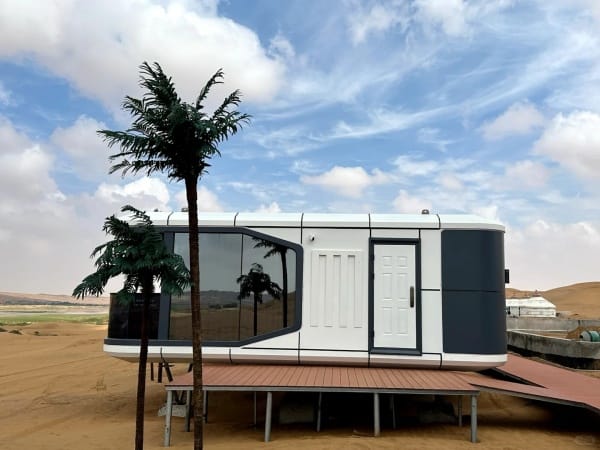
Preparation Steps:
Clear debris and level the land.
Ensure access to water, power, and sewage.
Build a concrete slab or pier foundation.
Efficient Installation:
Prefab units are pre-assembled in factories, so on-site setup takes only a few days, minimizing labor and waste.
8. Maintenance & Upkeep
Regular Inspections:
Check for leaks or cracks yearly, especially after extreme weather.
Seasonal Care:
Winter: Insulate plumbing and seal drafts.
Summer: Clean thermostats and maintain ventilation.
9. Resale Value
Demand for prefab and capsule homes continues to grow due to their sustainability.
To retain resale value:
Keep the structure in good condition.
Upgrade kitchens, bathrooms, and insulation for higher buyer appeal.
10. Final Thoughts
Capsule houses represent the future of smart, sustainable living.
They’re affordable, quick to build, and energy-efficient—perfect for anyone seeking a modern yet eco-friendly lifestyle.
With thoughtful budgeting, adherence to zoning laws, and proper maintenance, your capsule home can be a rewarding long-term investment. Explore innovative designs today and step confidently into the future of housing.
🧭 6️⃣ Summary
Capsule houses combine affordability[^1], speed, and sustainability[^2]. They suit modern homeowners who value flexibility and eco-conscious design. With careful budgeting and planning, a prefab home can provide both comfort and long-term value.
[^1]: Exploring this link will provide insights into how affordability impacts housing choices and community development.
[^2]: This resource will help you understand the importance of sustainable practices in creating eco-friendly homes.
❓ 7️⃣ FAQ
Q1. What makes a capsule house different from a tiny home?
Capsule houses are factory-built modular units with advanced insulation and design options, while “tiny homes” often refer to mobile or DIY models.
Q2. How long does it take to build a capsule house?
Most capsule homes are ready within a few weeks, thanks to prefabricated components and minimal on-site labor.
Q3. Can capsule houses be placed anywhere?
They can be installed on most residential lots, but you must comply with local zoning and building regulations.
Q4. Are capsule homes energy-efficient?
Yes. Their sealed structure and insulation can reduce energy use by up to 25%.
Q5. How much does a capsule home cost?
Prices range from $30,000 to $100,000 depending on size, design, and customization.