As global travelers seek nature, sustainability, and digital detox escapes, outdoor accommodations are thriving. In 2025, one format stands out as the top performer: capsule homestays at campsites.
But what makes a compact, prefabricated capsule home in the woods or beside a lake more profitable than an urban apartment or beachfront villa? Let’s explore why investors, digital nomads, and hospitality entrepreneurs are turning to this future-forward model.
Lower Land and Setup Costs
One major factor behind the success of campsite-based homestays is affordable land.
Rural and semi-rural areas near forests, lakes, and national parks offer low acquisition costs compared to city or resort properties.
When paired with compact prefab units like space capsule houses or glamping pods, total investment drops significantly.
At an average $20,000–$30,000 per capsule, investors achieve ROI faster — especially as per-night rates for “off-grid luxury stays” continue to rise.
Growing Guest Demand for Unique Nature Stays
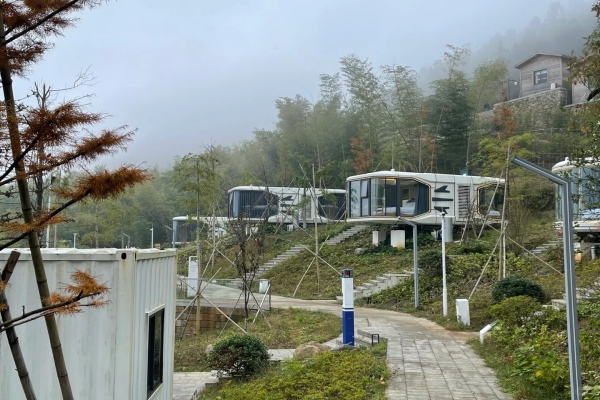
According to Airbnb and Booking.com data, travelers increasingly search for unique stays — cabins, domes, and capsule-style retreats that blend comfort with nature.
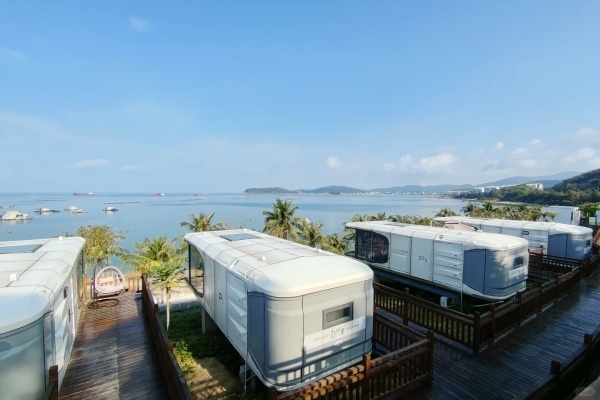
Guests want to unplug, recharge, and reconnect with the outdoors. Traditional hotels and apartments can’t match the allure of a private capsule overlooking mountains or oceans.
Efficient Prefabricated Design
Unlike conventional buildings, prefabricated capsule houses are engineered for durability and efficiency. They feature:
Pre-assembled or modular delivery
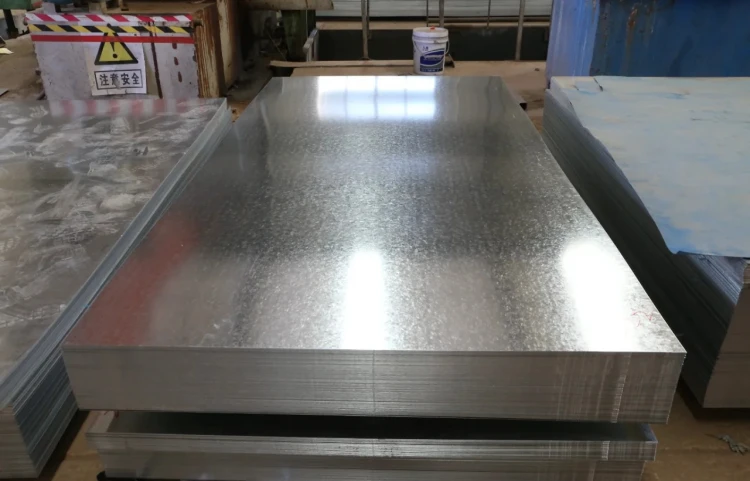
Hot-dip galvanized steel frames and aluminum shells
Double low-e insulated glass for energy control
These materials ensure low maintenance, long lifespan (up to 60 years), and strong weather resistance — ideal for long-term operation.
All-Weather Flexibility and Mobility
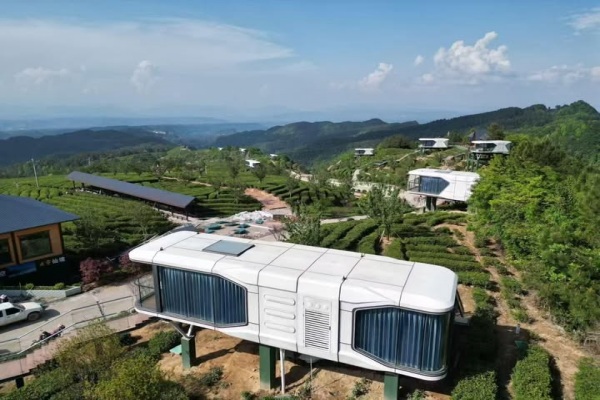
Capsule homes can be installed on hills, coastal cliffs, forests, or plains with minimal foundation work.
Weighing between 5–9 tons, they resist strong winds, rain, and temperature swings, making them ideal for variable climates.
This mobility and weather resistance allow operators to choose scenic sites and relocate units when needed.
Sustainable and Off-Grid Ready
Modern capsule houses support eco-friendly systems like:
Solar panels for renewable energy
Rainwater harvesting systems
Portable sewage and greywater tanks
These features make them semi-off-grid, reducing overhead and offering guests the eco-luxury experience they value most.
Social Media Marketing Power
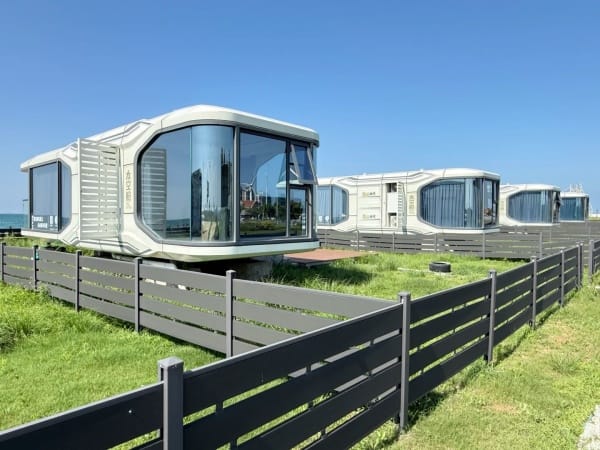
Capsule homes are Instagram-worthy. Their sleek curves, panoramic windows, and natural settings make them ideal for viral travel content.
A single post or reel can generate organic buzz and free publicity on Instagram, TikTok, and YouTube.
Scalable Business Model
Unlike hotels or resorts, capsule homestays are modular and scalable.
Entrepreneurs can start with 2–3 pods, monitor bookings, and expand gradually — a perfect fit for small businesses or first-time investors.
This low-impact model also supports eco-conscious development, simplifying local permitting and sustainability certification.
Capsule Houses vs. Tiny Houses: What to Know
While both emphasize minimalism and efficiency, capsule houses differ through:
Stronger aluminum-steel structure
Faster assembly time
Longer lifespan and lower maintenance
Higher insulation and comfort
More futuristic aesthetic and appeal
Final Thoughts: Investing Off the Beaten Path
The global rise of glamping, eco-tourism, and minimalist living makes outdoor capsule homestays the smartest hospitality investment of 2025.
They combine low setup cost, eco-friendly operation, and high guest appeal — driving strong returns with minimal risk.
If you’re exploring new hospitality ventures or sustainable real estate, consider starting with capsule housing at scenic campsites.
Sometimes, the best investments are the ones that help people reconnect — with nature, and themselves.