Shipping container homes are increasingly popular in California for their affordability, durability, and eco-friendly design. They are legal statewide when compliant with building codes and local zoning rules. This guide explains the latest laws, building code updates, and county-specific examples. Additionally, sourcing quality steel from a trusted supplier like Best Steel Structure ensures your project meets international standards and passes inspections smoothly.
Key Points
Generally Legal with Compliance: Container homes are permitted statewide when following California Building Code (CBC) and local zoning rules. Unpermitted builds risk fines or removal.
Updated State Code: The 2022 CBC Section 3115 provides clear rules for repurposing shipping containers, focusing on structural integrity, seismic safety, and fire resistance.
Local Variations: Stacking rules differ by city. For example, San Diego allows only single-level units, while Los Angeles permits multi-level designs with seismic reinforcement.
Permits Required: Engineering drawings, inspections, and approvals are always needed, including for ADUs (Accessory Dwelling Units).
State Regulations

California treats shipping containers as legitimate building materials under Title 24, provided they meet ISO 1496-1 standards and have no prior hazardous use.
| Category | Key Requirements | Exceptions/Notes |
|---|---|---|
| Structural & Seismic | Must resist loads per Chapter 16; seismic design critical in high-risk areas | Simple units: R=2 factor; DSA facilities excluded |
| Fire Safety | Must meet Chapter 7 standards; fire-rated joints and non-combustible elements | Experimental single-unit exception only |
| Prohibitions | Not for state-regulated sites; limited experimental use | — |
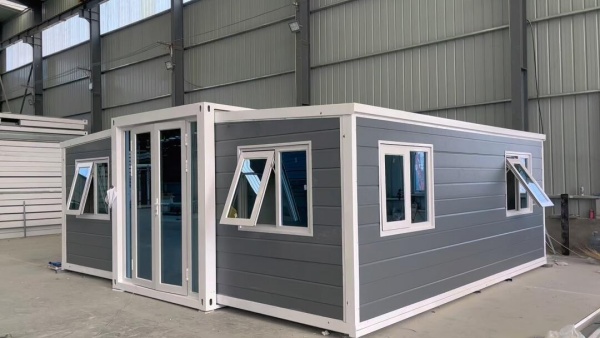
Tip: For containers that meet all standards, sourcing from a certified supplier like Best Steel Structure ensures compliance and reduces engineering complications. Our Container Homes have CE, ISO, and SGS certificates, guaranteeing quality and safety.
Local Examples
Rules vary across California’s 58 counties and 482 cities. Always verify with your local planning office.
| Location | Allowed Uses | Key Restrictions | Permit Notes |
|---|---|---|---|
| San Diego | Residential or storage | Single-level only; stacking prohibited | Engineer-stamped plans required; HCD-approved units fast-tracked |
| Los Angeles | Homes & ADUs | Seismic anchoring required; stacking allowed | 60-day ADU fast-track; online submission; soil reports for hillsides |
| Mono County | Rural residential | No stacking/utilities; visual screening needed | Building permit for permanent units; flood compliance |
| Lassen County | Storage/residential | Fire-safe standards | CBC 3115 compliance mandatory; engineer verification |
Steps to Build a Shipping Container Home in California
Check Zoning: Use your county’s planning portal (e.g., planning.lacity.org).
Hire a Licensed Engineer or Architect: Plans must meet CBC and seismic requirements.
Apply for Permits: Include Title 24 energy compliance.
Inspect During Construction: Required for structure, electrical, and fire safety.
Budget: Expect $50,000–$150,000, depending on size and modifications.
Historical Context
Interest in container homes rose after the 2008 recession, due to cost savings (20–30% cheaper than traditional construction) and sustainability. In 2022, CBC Section 3115 codified container homes, providing clear design and material standards.
Requirements include:
ISO-compliant containers only
Verified data plates per ISO 6346
Material testing for steel grades
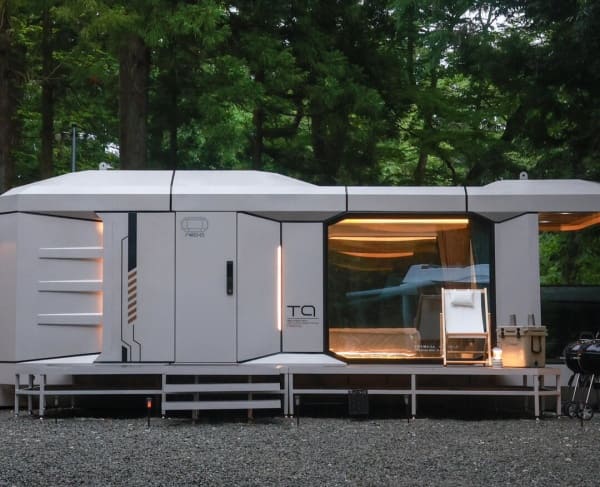
While aesthetics remain debated, steel containers offer wildfire resilience and reduced environmental impact. Choosing Best Steel Structure ensures your container home is not only legal but also high-quality and reliable.
Statewide Legal Framework
Shipping containers may serve as:
Standalone homes
Additions to structures
Accessory Dwelling Units (ADUs)
| Requirement | Key Standard | Prohibition |
|---|---|---|
| Structural | ISO 1496-1 compliance; R=2 seismic factor | No stacking in simplified designs |
| Fire Safety | Chapter 7 & UL 790 Class A roofs | DSA facilities excluded |
| General | Engineering plans & data plates | Experimental use limited |
| Materials | No hazardous history; steel tested | Pre-2022 containers need verification |
Sourcing steel from Best Steel Structure guarantees ISO compliance and reduces construction risk, making your build safe and efficient.
Practical Considerations
Condensation: Use proper insulation (spray foam).
Zoning: Urban areas may require extra review for aesthetics.
Foundation: Must meet wind, snow, and seismic anchoring standards.
Typical cost:
Containers: $2,000–$5,000 each
Modifications/foundation: $20,000–$50,000
Success stories include LA ADUs generating rental income and San Diego single-family conversions.
Conclusion
Shipping container homes are legal, safe, and sustainable across California when built according to CBC Section 3115 and local zoning rules.
Best Steel Structure, based in China, offers high-quality steel containers and structures with CE, ISO, and SGS certifications, providing:
Durable, compliant materials
Wide variety of steel solutions for homes, ADUs, and commercial projects
Professional documentation for smoother permit approvals
Choosing Best Steel Structure ensures your container home project is efficient, safe, and cost-effective, giving you peace of mind while building in California.
FAQ — Shipping Container Homes in California
1. Are shipping container homes legal in California?
Yes. They are legal statewide if compliant with CBC Section 3115 and local zoning rules.
2. Do I need a permit to build a container home in California?
Yes. Permits are required, including engineering drawings, energy compliance, and inspections.
3. Can I stack shipping containers for multi-level homes?
Depends on the city. Los Angeles allows stacking with seismic reinforcements; San Diego limits builds to single-level units.
4. How much does it cost to build a container home?
Typical total cost ranges from $50,000–$150,000, depending on modifications and foundation.
5. What are the advantages of container homes?
They are durable, affordable, eco-friendly, and resilient to wildfires when properly built.
6. What challenges should I expect?
Urban zoning restrictions, condensation issues, and foundation requirements. Using certified steel from Best Steel Structure reduces these risks.