Are you worried about the quality or cost when buying a container home? It’s totally normal to have those concerns!
With the right approach, you can find a solid, affordable container home by evaluating site suitability, insulation, adaptability, supplier support, costs, and quality audits.
Ready to turn those worries into confidence? Dive into our six key tips below to guide your purchase and build your dream home without breaking the bank.
How to Evaluate Site Suitability Before Making a Purchase?
Struggling with unstable ground or poor drainage for your container home? These issues can lead to costly structural damage over time.
Conduct a geotechnical survey to assess soil stability, load-bearing capacity, and drainage, ensuring a safe, long-lasting foundation for your container home.
Understanding Soil Types and Their Impact
When choosing a site, soil composition plays a critical role. Soft soils like clay or silt can cause sinking, while rocky or sandy soils offer better support but may require specific preparations. A geotechnical survey identifies these, preventing future headaches.
Risks of Uneven Terrain and Solutions
Hilly areas demand expensive leveling or piling, increasing costs. Opt for sites with natural stability or budget for engineering fixes early. This proactive step avoids surprises and ensures compliance with local building codes.
Drainage and Environmental Factors
Poor drainage leads to corrosion from water pooling. Coastal winds add another layer of risk, potentially shifting the structure. Evaluate exposure to elements and incorporate wind-resistant designs or elevated foundations.
To make this clearer, here’s a table comparing common site challenges and mitigation strategies:
| Challenge | Potential Issue | Mitigation Strategy |
|---|---|---|
| Soft Soil | Sinking and structural cracks | Geotechnical survey and deep piling |
| Uneven Terrain | High leveling costs | Site selection or terracing |
| Poor Drainage | Corrosion and water damage | Elevated foundations and drainage systems |
| High Winds/Storms | Shifting or damage | Reinforced anchoring and windbreaks |
Critically, overlooking site suitability isn’t just a minor oversight—it’s a recipe for ongoing repairs. By breaking down the problem into soil, terrain, and environmental factors, you gain a holistic view.
For instance, in reclaimed land, combine surveys with historical data to predict settlement. This approach not only saves money but also enhances safety.
Suppliers like ours can recommend site-specific modifications, such as reinforced bases, tailored to your survey results. Ultimately, investing time here upfront transforms potential pitfalls into a stable, enduring home foundation.
How to Check if the Insulation Matches Your Local Climate?
Facing soaring heating bills in cold winters or mold in humid summers? Poor insulation turns your container home into an uncomfortable, expensive nightmare.
Choose insulation like PU foam or mineral wool tailored to your area’s temperature, humidity, and seasons for optimal comfort and energy efficiency.
Climate-Specific Insulation Needs
In cold regions, prioritize high R-value materials to minimize heat loss. Hot climates demand vapor barriers to combat humidity and mold. Assess average weather patterns to select the right type, avoiding generic options that underperform.
Material Options and Performance
Polyurethane foam excels in thermal resistance but may cost more, while mineral wool offers fire resistance. Compare based on local extremes—fluctuations require layered systems for year-round efficacy.
Cost vs. Long-Term Savings
Extra insulation adds upfront costs but slashes utility bills. Factor in installation complexity; professional fitting ensures no gaps, maximizing benefits.
Here’s a table outlining insulation types for different climates:
| Climate Type | Recommended Insulation | Key Benefits | Potential Drawbacks |
|---|---|---|---|
| Cold | PU Foam (High R-Value) | Excellent heat retention | Higher initial cost |
| Hot/Humid | Mineral Wool with Barriers | Mold resistance and breathability | May require additional vapor control |
| Fluctuating | Layered Systems | Adaptable to temperature swings | Increased complexity and expense |
| Mild | Basic Foam or Wool | Cost-effective comfort | Overkill for stable conditions |
Delving deeper, critiquing insulation choices reveals that one-size-fits-all approaches fail in diverse climates. Break it down: in arid zones, focus on UV-resistant exteriors to prevent degradation; in rainy areas, emphasize waterproofing. This segmented thinking helps readers prioritize—start with a climate audit using local data.
Our tailored panels integrate these, simplifying builds while controlling costs. By addressing specifics like seasonal humidity spikes, you avoid common pitfalls like condensation buildup, ensuring a healthy, efficient home that adapts seamlessly to your environment.
How to Plan for Future Adaptability Early On?
Worried your container home won’t grow with your changing needs, like adding rooms or solar panels? Ignoring this leads to disruptive, costly renovations later.
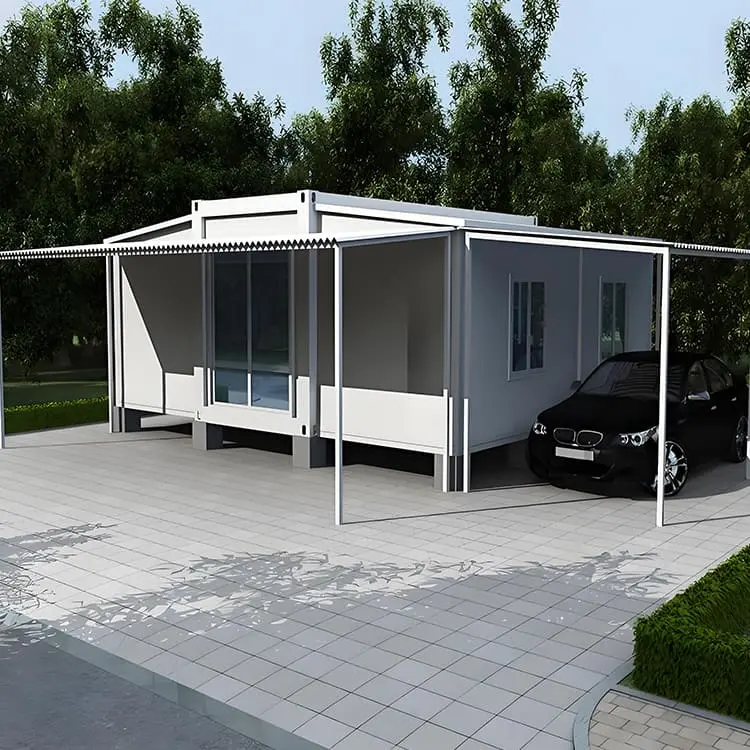
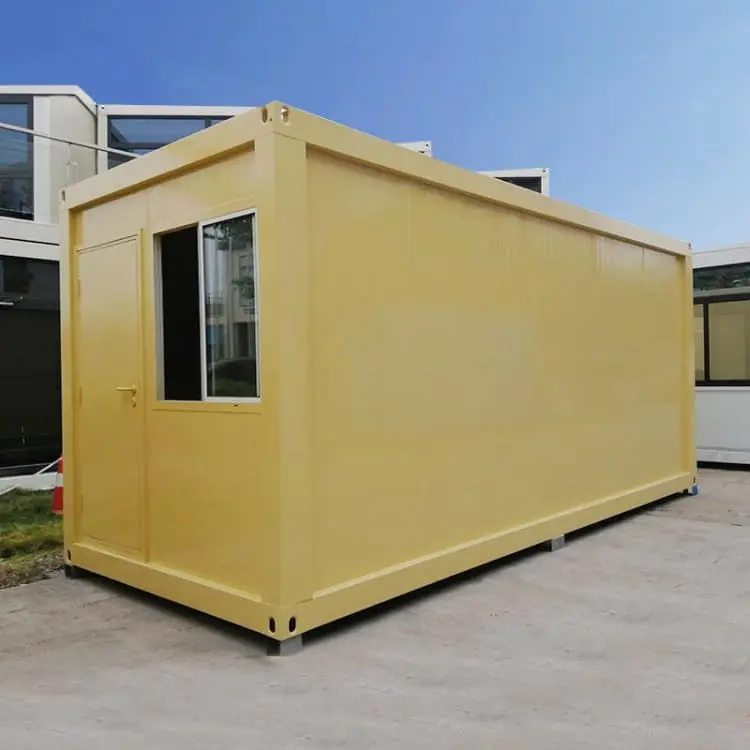
Discuss future expansions with your supplier to select adaptable designs, like expandable models, making upgrades seamless and hassle-free.
Anticipating Lifestyle Changes
Family growth or new hobbies might require more space. Plan layouts that allow modular additions, avoiding structural overhauls that inflate costs.
Design Features for Flexibility
Choose containers with reinforced frames for easy modifications. Incorporate pre-planned utility hookups for plumbing or electrical upgrades.
Examples of Adaptable Options
Expandable container houses enable quick room additions without major construction. Solar-ready roofs simplify green energy integration.
To illustrate, consider this table of adaptability features and benefits:
| Feature | Benefit | Example Application |
|---|---|---|
| Modular Layout | Easy room additions | Expanding for a home office |
| Reinforced Frames | Supports future modifications | Adding upper levels |
| Pre-Planned Utilities | Simplifies upgrades | Installing new plumbing systems |
| Expandable Models | Hassle-free growth | Scaling from 2 to 4 bedrooms |
Critically examining adaptability exposes how rigid designs limit longevity. Segment the issue: short-term needs vs. long-term visions—align them by consulting suppliers early.
For example, our expandable options mitigate common regrets like outgrowing space too soon. This foresight reduces waste, as modifications are integrated, not retrofitted.
By using critical thinking to weigh scalability against initial costs, readers can invest wisely, ensuring their home evolves affordably and efficiently over decades.
How to Look for a Reputable Supplier with Long-Term Support?
Dealing with post-purchase issues like leaks or settlement without help? Choosing poorly leaves you stranded with expensive fixes.
Select suppliers offering factory-certified modifications and after-sales support to ensure structural integrity and quick resolutions for years.
Evaluating Supplier Credentials
Look for factories with strict engineering standards. Avoid unauthorized mods that weaken structures; certified ones maintain safety.
Importance of After-Sales Service
Warranties cover surprises like soil shifts. Reliable support saves time and money on repairs.
Red Flags and Best Practices
Beware of low bids without details. Prioritize transparency and reviews for proven track records.
Here’s a table comparing supplier qualities:
| Supplier Trait | Why It Matters | Red Flag Example |
|---|---|---|
| Factory-Certified Mods | Preserves structural strength | Unauthorized cutting/welding |
| Long-Term Warranties | Covers future issues | No post-sale contact |
| Transparent Reviews | Indicates reliability | Hidden complaints |
| Engineering Guidelines | Ensures safety compliance | Generic, non-custom advice |
Scrutinizing suppliers highlights that cheap options often hide long-term costs. Break it down: assess production processes—our in-house factory guarantees quality.
Critically, unauthorized changes compromise integrity, leading to failures. By segmenting evaluation into credentials, service, and practices, you spot fakes.
This empowers informed choices, securing a home with enduring support and peace of mind.
How to Get a Transparent Cost Breakdown in Advance?
Surprised by hidden fees in your container home budget? Delivery, foundations, and extras can balloon expenses unexpectedly.
Request an itemized breakdown covering container, delivery, site prep, and utilities to plan accurately and avoid overruns.
Breaking Down Core Costs
Container price is base; add transport based on distance. Foundations vary by soil—soft sites cost more.
Hidden Fees to Watch For
Utility connections or finishes add up. Demand details to foresee all charges.
Budgeting Strategies
Allocate buffers for variables like site conditions. Compare quotes for value.
To format this, a table of cost components:
| Cost Component | Typical Range | Factors Influencing |
|---|---|---|
| Container Base | $5,000 – $10,000 | Size and condition |
| Delivery | $500 – $2,000 | Distance and accessibility |
| Foundation Prep | $2,000 – $5,000 | Soil type and terrain |
| Custom Interiors | $3,000 – $8,000 | Materials and complexity |
Optimizing budgets requires critiquing vague quotes. Segment costs: fixed vs. variable—site-specific ones like foundations demand surveys. This prevents shocks, as hidden fees erode affordability.
By using tables for clarity, readers grasp impacts, enabling smarter negotiations for a truly cost-effective build.
How to Request a Comprehensive Container Quality Audit?
Buying a container with hidden rust or poor seals? Surface checks miss issues, leading to spreading damage and repairs.
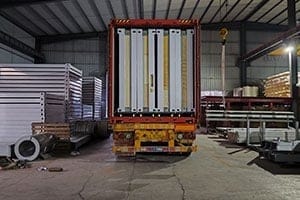
Demand a detailed history report on usage, repairs, and integrity, inspecting rust, doors, and seals for a sound purchase.
Key Inspection Areas
Focus on corners, floors, and edges for rust. Check seals to prevent leaks.
Interpreting Audit Reports
History reveals past stresses; repairs should be professional.
Preventive Maintenance Tips
Address minor issues early to extend life.
For structure, a table of audit checks:
| Audit Check | What to Look For | Consequence if Ignored |
|---|---|---|
| Rust Inspection | Spots on corners/floors | Rapid spreading and weakening |
| Door/Seal Condition | Tight fits, no gaps | Water ingress and interior damage |
| Structural History | Usage and repair logs | Hidden weaknesses |
| Overall Integrity | No dents or warps | Compromised stability |
Auditing quality critically uncovers deceptions. Break it: visual vs. documented—combine for truth.
This averts costly fixes, ensuring durability. Integrate with maintenance like regular rust checks for longevity.
结论
Buying a high-quality, affordable container home boils down to smart planning: evaluate sites, match insulation to climate, plan adaptability, choose reputable suppliers, get cost breakdowns, and audit quality.
Follow these tips to avoid pitfalls, save money, and enjoy a durable, comfortable space. Ready to start? Contact us for tailored solutions!