Skip to content
High-strength bolts are critical for the structural integrity of modular and container homes. Applying the correct torque ensures stability, prevents damage, and prolongs the building’s lifespan.
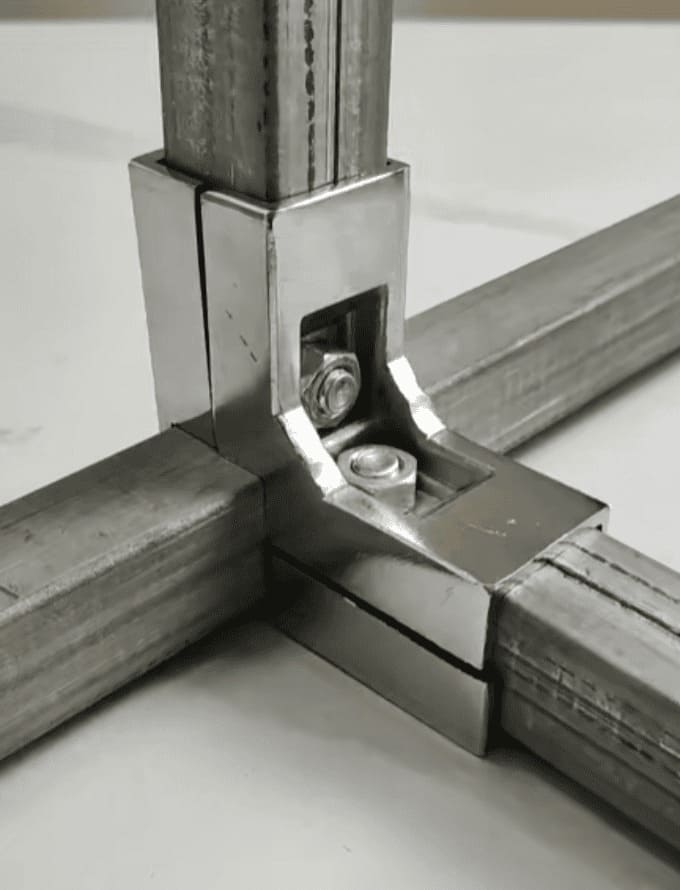
This guide explains step-by-step how to torque bolts properly and maintain a torque log for quality control.
1. Why Proper Torque Matters
-
Ensures structural connections remain tight under load
-
Prevents over-tightening that can damage threads or panels
-
Avoids under-tightening that can lead to misalignment or collapse
-
Critical for multi-module stacking in container homes
2. Required Tools
-
Torque wrench (digital or manual)
-
Impact driver for initial fasteners
-
Torque log or recording sheet
-
PPE (gloves, goggles, helmet)
3. Step-by-Step Torque Application
-
Identify Bolt Specification
Check bolt size, grade, and torque value from the engineering drawing. -
Pre-Tighten Bolts
Insert bolts and hand-tighten to hold parts in position. -
Apply Torque Gradually
Use a torque wrench and tighten bolts in a cross or staggered pattern for even pressure. -
Record Torque Values
Document each bolt’s torque reading in a log for future inspection. -
Final Check
Re-inspect connections for alignment, and confirm no bolts are loose or over-tightened.

4. Tips and Best Practices
-
Always follow manufacturer torque specifications
-
Calibrate torque wrenches regularly
-
Apply torque evenly to all structural bolts
-
Use certified fasteners for modular or container homes
-
Maintain a torque log as part of the quality control process
Conclusion
Correct torque application is a key factor in ensuring modular and container homes are stable and safe.
Following standardized procedures and keeping accurate records reduces structural risk, protects workers, and improves building longevity.
👉 Contact us for floor plans, pricing, and custom designs.
📩 Email: besthouse@besteelstructure.com