
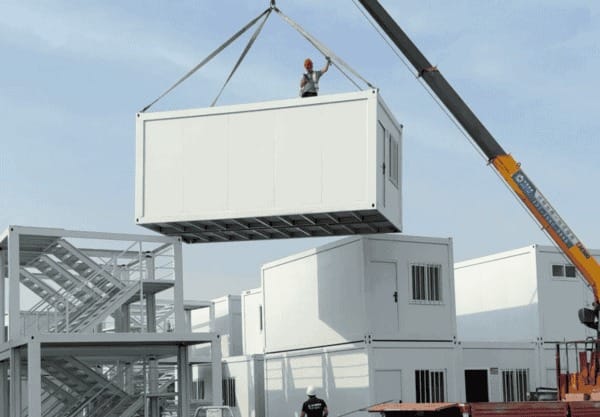
Starting aprefab home businessmay seem complex at first. Don’t worry — every step has a purpose and helps make your journey easier.
In this guide, you’ll clearly understand how to move from ideas to real sales and build a successful prefab housing business.
1. Why Choose Prefab Housing
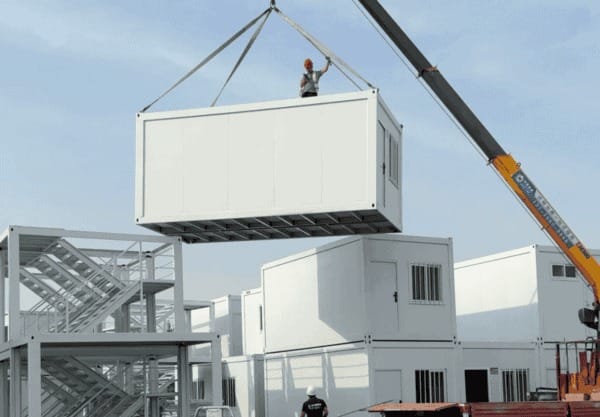
Prefab housing is growing faster than ever. In 2024, the global prefab home market reached USD 49.73 billion, and it’s expected to double to USD 101.54 billion by 2034.
Why the boom?
-
Speed: Modular systems are 20–50% faster to build than traditional construction.
-
Cost transparency: Pricing is easier to estimate, with fewer surprises for clients.
-
Efficiency: Quicker builds mean serving more regions and clients in less time.
Prefab homes are a smart, eco-friendly, and cost-efficient solution for today’s housing needs.
2. Pick Your Role and Where to Sell
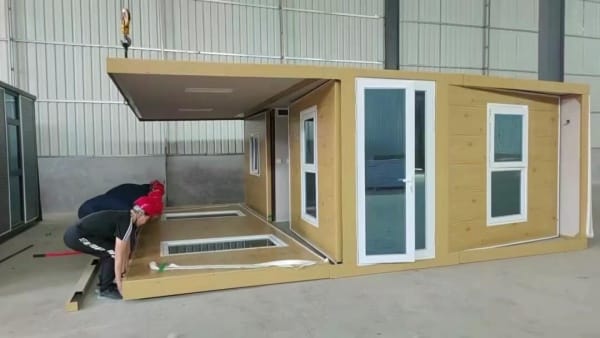
Choose your business role carefully. There are three main options:
| Role | Description | Key Requirements |
|---|---|---|
| Manufacturer | Build prefab homes yourself | Factory, skilled workers, higher control & profit |
| Distributor | Buy from manufacturers and sell to clients | Strong supplier & buyer network |
| Installer | Assemble homes on-site | Skilled installation team, safety expertise |
Once you’ve chosen your role, identify your target regions and customers, such as:
-
Resorts needing quick guest accommodation
-
Parks or campsites offering small cabins
-
Worker housing for factories or construction sites
Start small — 2–3 regions — and grow as your reputation builds.
3. Check Rules and Import Taxes
Understandinglaws and taxes prevents costly mistakes. Key areas to check include:
-
Building Codes: Ensure compliance with local construction standards.
-
Import Duties: Verify tariffs if importing modular units or parts.
-
Permits & Zoning: Know regulations for resorts, parks, or worker housing.
-
Documentation: Keep a record of all rules, fees, and regional requirements.
Proper planning saves money, avoids penalties, and ensures smooth operations.
4. Choose Your First Models and Drawings
Start by defining your product lineup using a Good–Better–Best model:
-
Good: Basic, affordable options
-
Better: Mid-range with improved finishes
-
Best: Premium with advanced systems
Decide house sizes (small, medium, large), plan MEP systems (mechanical, electrical, plumbing), and ensure dimensions fit standard transport containers.
Set clear build times (e.g., 1 week for a small house, 2–3 weeks for larger units) and prepare detailed blueprints to avoid design errors.
5. Choose Suppliers and Plan Production
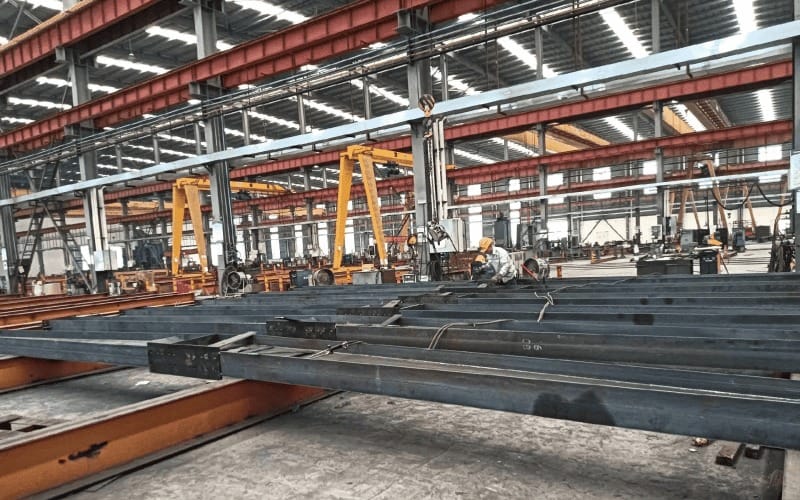
A strong supply chain ensures consistent quality.
Steps to follow:
-
Approve reliable vendors for key materials like steel frames, panels, and wiring.
-
Keep backup suppliers for emergencies.
-
Decide what to produce in-house vs. outsource (e.g., frames vs. windows).
-
Establish strict quality checks at every stage.
-
Build a production timeline from start to final delivery.
This structure helps maintain both quality and delivery speed.
6. Set Prices and Contracts
Define pricing that balances cost, profit, and value.
-
Calculate total cost: Include labor, materials, shipping, and taxes.
-
Add profit margin: Define minimum viable price.
-
Create discount policies: Offer small bulk discounts for resorts or parks.
-
Set payment milestones: Before production, before shipment, after installation.
-
Add warranty and insurance: Offer 1–5 year coverage for structure and damage protection.
-
Sign clear contracts: Include prices, delivery, and terms to protect both sides.
7. Get Leads and First Orders
Now it’s time to find customers and close your first deals.
-
Attend trade shows: Display your prefab model or demo video.
-
Host an open day: Let potential buyers experience the home in person.
-
Use online marketing: Post photos, client stories, and join housing forums.
-
Offer pilot orders: Let clients test 1–2 homes first to build trust.
-
Follow up promptly: Respond fast and stay connected until closing.
Proactive engagement turns interest into confirmed sales.
✅ Summary
Starting a prefab home business requires planning, structure, and persistence.
By selecting your role, ensuring compliance, building strong partnerships, and marketing effectively, you can grow steadily in the booming prefab housing industry.
❓ FAQ
1. Is the prefab home business profitable?
Yes. With lower construction costs and faster turnaround, profit margins can exceed those of traditional housing.
2. Do I need a factory to start?
Not necessarily. You can begin as a distributor or installer before expanding into manufacturing.
3. How long does it take to build a prefab home?
Depending on size, most prefab houses are completed in 1–3 weeks.
4. Can prefab homes be customized?
Absolutely. Modular design allows flexible layouts, materials, and finishes.


