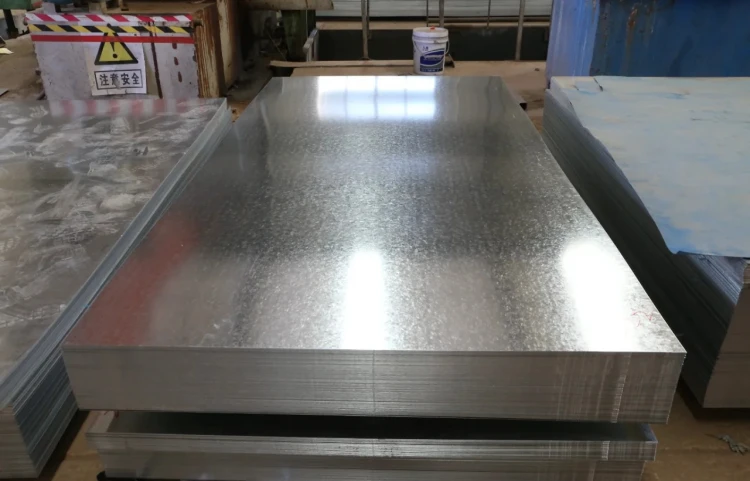
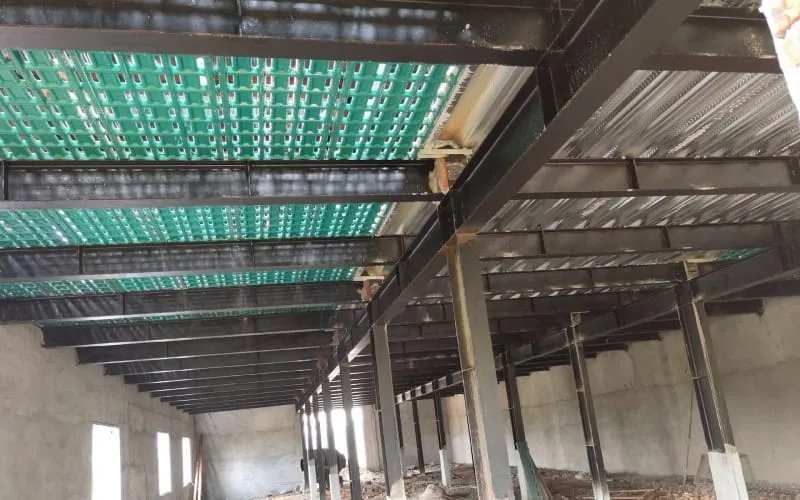
A steel structure workshop is an industrial building where steel serves as the main load-bearing material. Compared with traditional concrete structures, steel workshops offer several advantages, including light structural weight, high strength, large-span capability, and shorter construction time.
To ensure safety and structural stability, steel workshops are designed with multiple interconnected components that work together to form a strong spatial framework. Below are the main components of a steel structure workshop and their specific functions.
1. Foundation Embedded Parts
Foundation embedded parts are installed within the concrete foundation before the main steel structure is erected. These components act as connection points between the steel structure and the building foundation.
Main Functions
Securely fix steel columns and beams to the foundation
Provide stable support for the entire workshop structure
Ensure accurate positioning during steel structure installation
As the base support system, foundation embedded parts play a critical role in maintaining the overall stability of the building.
2. Steel Columns and Steel Beams
Steel columns and beams form the primary structural framework of a steel workshop.
Steel Columns
Steel columns are the main vertical load-bearing components. They support the weight of the roof, structural systems, and equipment inside the workshop.
Common materials include:
H-shaped steel beams
C-shaped steel beams
Main functions include:
Supporting vertical loads from the building structure
Maintaining the stability of the entire framework
Transferring loads to the foundation
Steel Beams
Steel beams connect with columns to form the main load-bearing system of the workshop.
Their functions include:
Supporting roof loads
Carrying crane loads or equipment loads
Transferring structural loads to columns and foundations
Together, steel columns and beams form a stable structural skeleton for the entire building.
3. Wall and Roof Systems
The wall and roof systems provide both structural support and environmental protection for the steel workshop.
Wall Systems
Workshop walls are commonly constructed using:
Brick walls
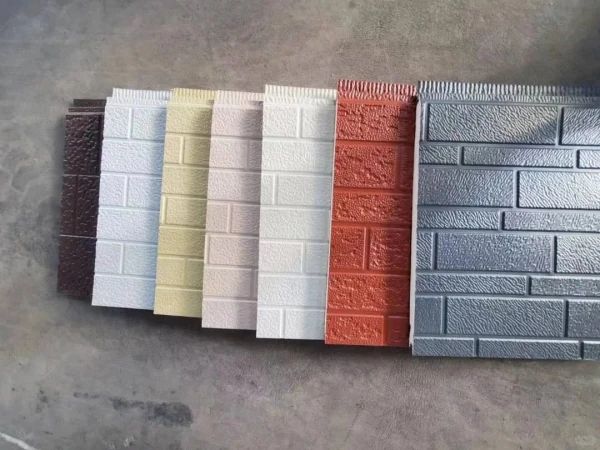
Insulated composite panels
Their main functions include:
Enclosing the building space
Resisting lateral loads such as wind pressure
Enhancing the structural rigidity of the building
When connected with steel beams and columns, wall systems help form a stable spatial structure.
Roof Systems
The roof system typically includes:
Roof trusses
Purlins
Roof panels (such as color steel sheets or sandwich panels)
Main functions:
Supporting roof loads such as snow and wind
Providing waterproof and weather protection
Transferring loads to beams and columns through purlins
Roof trusses ensure overall roof stability, especially in large-span industrial buildings.
4. Bracing Systems
Bracing systems are essential for maintaining structural rigidity and stability.
Inter-Column Bracing
Installed between columns, these bracings help:
Improve lateral stiffness of the building
Transfer horizontal loads such as seismic forces
Resist crane braking forces
Roof Bracing
Roof bracing includes horizontal bracing and vertical bracing.
Functions include:
Increasing roof stability
Preventing structural deformation
Improving resistance to wind and seismic forces
Wind-Resistant Columns
Wind-resistant columns are used to transfer wind loads from the roof to the walls and foundation, improving the building’s ability to withstand strong winds.
5. Crane Beams
Many industrial workshops require overhead cranes for material handling. Crane beams are specifically designed to support crane operations.
Main functions include:
Supporting vertical loads from cranes
Withstanding horizontal forces during crane movement
Transferring loads to steel columns and the building foundation
Crane beams are critical in workshops where heavy equipment and materials are frequently transported.
6. Other Auxiliary Components
In addition to the main structural elements, several auxiliary components contribute to the overall stability and functionality of a steel workshop.
Purlins
Purlins are usually made of C-shaped or Z-shaped steel beams.
Their main function is to:
Support roof panels or wall panels
Transfer loads to steel beams and columns
Gutters
Gutters are used for rainwater drainage from the roof. They are typically manufactured from steel sheets and installed along the roof edges.
Stay Bars and Tie Rods
Stay bars and tie rods help:
Reduce lateral deformation of purlins
Improve the stability of the structural system
Enhance the integrity of the building framework
Conclusion
A steel structure workshop is composed of several interconnected components, including foundation embedded parts, steel columns, steel beams, wall systems, roof systems, bracing systems, crane beams, and auxiliary components.
Together, these elements create a rigid spatial framework that ensures the safety, stability, and functional performance of the building. By properly designing and integrating these structural components, steel workshops can achieve high durability, large spans, and efficient construction, making them ideal for modern industrial facilities.