Tiny homes are becoming increasingly popular because they offer a simpler, more affordable way of living. Many people are attracted by their low upfront cost, reduced environmental impact, and flexible lifestyle—especially for mobile or seasonal living.
Tiny houses can be worth it for individuals who want lower monthly expenses, fewer possessions, and a simpler lifestyle. However, they work best for singles or couples who are comfortable with limited space and local zoning requirements.
So the key question is: Are tiny houses really right for your lifestyle?
This guide explains the benefits, challenges, and real-life practicality of tiny house living—helping you make an informed decision.
What Makes Tiny Houses Appealing?
Tiny houses attract people not just because they are small, but because they change how people live. Instead of managing a large space, you focus on what you actually need—often gaining more freedom and less stress.
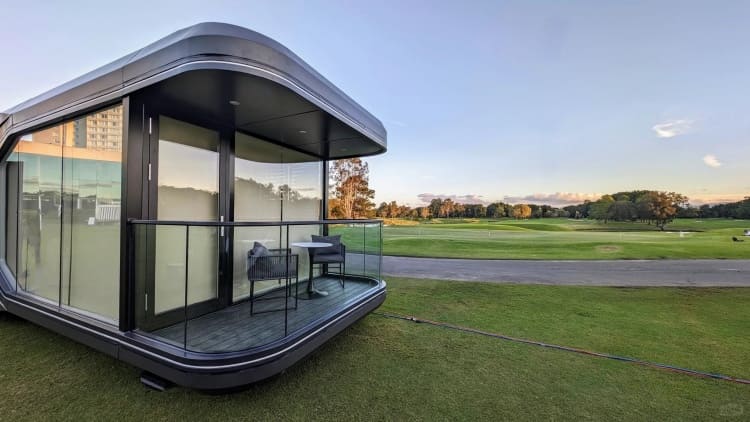
Low Initial Cost
One of the biggest advantages of tiny houses is their lower upfront cost. Compared to traditional homes, tiny houses are significantly more affordable, and many buyers avoid long-term mortgages altogether.
With limited space:
Furniture costs are lower
Renovation expenses are minimal
Budgeting becomes simpler
For people seeking financial freedom, this is a major advantage.
Lower Monthly Expenses
Tiny houses also reduce ongoing costs. Smaller spaces require less heating and cooling, leading to lower energy bills. Fewer appliances and lights further reduce electricity usage.
Maintenance is easier and less expensive:
Cleaning takes less time
Fewer repairs are needed
Long-term upkeep costs are reduced
Over time, these savings can be substantial.
Sustainable and Simple Lifestyle
Tiny house living naturally supports an eco-friendly lifestyle. Construction uses fewer materials, and daily energy consumption is lower.
At the same time, limited space encourages simplicity. You keep only what matters, reducing clutter and stress. Many people find this lifestyle calming and mentally freeing.
Mobility and Flexibility (Towable Units)
Towable tiny houses offer a level of flexibility that traditional homes cannot. You can relocate your home as your work, lifestyle, or seasons change.
This mobility is especially appealing to people who value independence and adaptability. Your home moves with your life, instead of limiting it.
The Real Challenges of Tiny House Living
While tiny houses look attractive, they also come with real limitations. Understanding these challenges is essential before making a commitment.
Extremely Limited Space
The most obvious challenge is space. Storage is minimal, and every item must serve a purpose. Privacy is limited, as most tiny houses have open or semi-open layouts.
For families, this can be difficult:
Children need space to play and grow
Pets need room to move
Hobbies and work areas may be restricted
Living long-term in a confined space can feel stressful if not planned carefully.
Hidden and Additional Costs
Tiny houses are not always as cheap as they seem. Beyond the house itself, you may need to pay for:
Land purchase or rental
Utility connections (water, power, sewage)
Off-grid systems, which can be costly
Permits and zoning regulations can also create challenges. Some areas restrict tiny houses or require special approvals. Financing and insurance options may be limited as well.
Lifestyle Adjustments
Daily life in a tiny house is different. Hosting guests is difficult, and personal space is limited. Couples may feel pressure from constant close proximity, requiring strong communication and compromise.
If you are used to large kitchens, spacious closets, or separate rooms, a tiny house may feel restrictive over time.
Resale and Long-Term Value
Tiny houses do not always appreciate in value. In some cases, they are treated more like vehicles than real estate, meaning depreciation is possible.
Additionally, the resale market is smaller. Not everyone is willing to adopt a tiny house lifestyle, which can make selling more difficult.
Who Are Tiny Houses Actually Worth It For?
Tiny houses are best suited to people with specific lifestyles and priorities.
Tiny Houses Are Worth It If You:
Live alone or with a partner
Prefer simple, minimal, or eco-friendly living
Want lower monthly expenses and less debt
Are flexible and open to lifestyle changes
For these individuals, tiny house living can be freeing and financially smart.
Tiny Houses May Not Be Worth It If You:
Have children or need multiple rooms
Own many belongings or equipment
Want long-term property appreciation
Prefer entertaining guests or spacious living
In these cases, a traditional home may be a better fit.
Practical Questions to Ask Before Choosing a Tiny House
Before committing, ask yourself these important questions:
Do You Own or Have Access to Land?
Land availability and cost can significantly affect feasibility.
What Will Utility Setup Cost?
Water, electricity, sewage, and internet connections can add unexpected expenses.
Are Tiny Houses Allowed in Your Area?
Always check zoning laws and permit requirements before buying.
Is This for Permanent Living, Vacation, or Rental?
Your intended use affects layout, comfort, and budget planning.
Can You Truly Reduce Your Belongings?
Honest self-assessment is key to avoiding frustration later.
Final Thoughts: Is Tiny House Living Right for You?
Tiny houses offer an affordable, sustainable, and simplified lifestyle—but they are not for everyone. Success depends on your space needs, habits, legal environment, and long-term goals.
If you value freedom, efficiency, and simplicity, a tiny house may be a rewarding choice. If you prioritize space, privacy, and traditional living comfort, a conventional home may suit you better.
👉 Explore compact housing options or consult experts before making your decision.
Conclusion
Tiny houses can be worth it for individuals seeking lower costs, minimal living, and lifestyle flexibility. However, limited space, zoning challenges, and resale concerns mean they are best suited for singles or couples with adaptable lifestyles. Careful planning and honest self-evaluation are essential before choosing tiny house living.
At BST, we offer you expert guidance on tiny house living. From choosing the right land to zoning laws and utility setup, we also ensure you make informed decisions. Furthermore, our resources help you reduce inventory and have a happy tiny house experience.