A Practical Cost Guide to Container Homes by BST
With rising housing prices and tighter budgets, more people are searching for flexible and affordable housing alternatives. In recent years, storage container homes—also known as container homes—have gained global popularity as a cost-effective and adaptable solution.
But a key question remains:
Are storage container homes really cheaper than traditional houses?
And are they suitable for long-term living or commercial use?
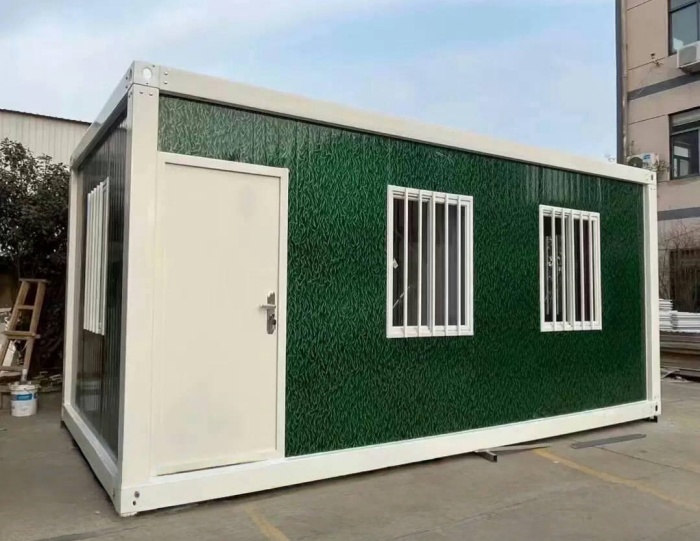
In this practical guide,BST breaks down the real costs, advantages, and use cases of storage container homes based on real project experience.
What Are Storage Container Homes?
Storage container homes are living or commercial spaces converted from standard shipping containers. These steel containers are structurally modified to include:
Doors and windows
Thermal insulation
Plumbing and electrical systems
Interior finishes suitable for daily use
Once transformed, they function as complete housing or business units.
Common Applications of Storage Container Homes
Storage container homes are widely used in the following scenarios:
Backyard guest rooms – Ideal for visitors, relatives, or rental units
Creative homes on city outskirts – Popular among young homeowners seeking unique design
Movable office spaces – Perfect for startups, freelancers, and temporary offices
Rural Airbnb & B&B projects – Low cost, fast setup, and quick ROI
Pop-up shops & food kiosks – Coffee bars, market stalls, mobile retail units
At Bst, we have delivered hundreds of container home solutions across residential, commercial, and tourism projects worldwide.
How Much Do Storage Container Homes Really Cost?
One of the biggest advantages of storage container homes is cost control.
Average Cost Breakdown
A typical storage container home costs between USD $2,000 and $6,000 per unit, depending on:
Size and layout
Insulation level
Interior finishes
Utility systems
Customization requirements
Compared to traditional homes, container homes offer significant savings in construction time, labor costs, and overall budget.
Container Homes vs Conventional Homes (Cost Comparison)
| Category | Storage Container Homes | Conventional Homes |
|---|---|---|
| Unit Cost | $2,000–$6,000 | $10,000+ |
| Construction Time | 2–8 weeks | 2–6 months |
| Labor Cost | Low (prefabricated) | High (on-site construction) |
| Mobility | Demountable & movable | Fixed structure |
Conclusion:
Storage container homes are ideal for people who want practical housing at a lower cost with faster move-in time.
Why Are Storage Container Homes a Better Choice?
At BST, we believe housing is not only about cost—it reflects lifestyle, sustainability, and flexibility.
1. Environmentally Friendly
Reuses existing shipping containers
Reduces construction waste
Lowers carbon emissions
A smart choice for eco-conscious living.
2. Highly Flexible & Modular
Easy to expand by combining multiple containers
Suitable for bedrooms, kitchens, offices, or shops
Adapts to different land conditions
3. Fast Construction & Quick Use
From design to installation, container homes typically take only 2–8 weeks, making them ideal for urgent housing or commercial projects.
4. Natural & Outdoor Friendly
Container homes integrate well with gardens, terraces, and open spaces, creating a comfortable indoor-outdoor lifestyle.
5. Fully Customizable Design
Exterior styles: industrial, modern, minimalist, rustic
Interior layouts: fully tailored to personal or business needs
Are Storage Container Homes Suitable for Food Businesses?
Absolutely.
Many BST clients use container homes for food-related commercial purposes.
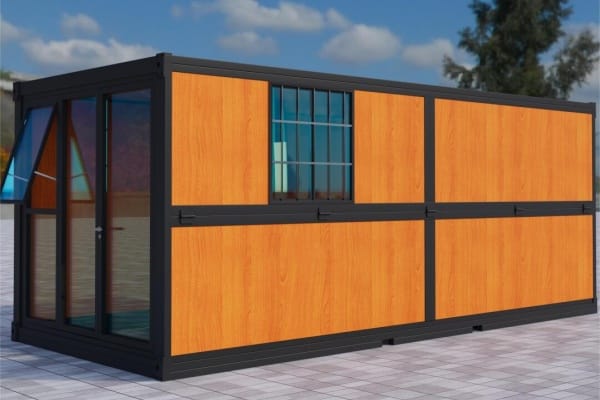
Popular Food-Use Applications
Refrigerated food storage units
Farmers’ market stalls
Mobile coffee shops & food kiosks
Rural farm product stores
Their durability, mobility, and quick installation make them ideal for food entrepreneurship.
Where Can Storage Container Homes Be Used?
Storage container homes can be used as:
Residential living spaces
Offices
Temporary showrooms
Retail stores
Tourism accommodations
At BST, we offer container homes for sale in various sizes and fully support customized appearance, structure, and function.
How to Make a Storage Container Home More Comfortable (Step-by-Step)
Although container homes originate from industrial structures, proper design makes them cozy and livable.
Step 1: Upgrade Insulation
Use insulation wool or polyurethane spray to improve thermal performance for all climates.
Step 2: Install Ventilation Systems
Add exhaust fans or fresh-air systems to maintain healthy indoor airflow.
Step 3: Maximize Natural Light
Install floor-to-ceiling windows or skylights to brighten the interior and save energy.
Step 4: Add Green Landscaping
Gardens, green walls, or small vegetable plots soften the steel structure and enhance comfort.
Step 5: Use Solar Energy
Solar panels reduce long-term energy costs and increase self-sufficiency.
Final Verdict: Are Storage Container Homes Cheaper?
Yes—storage container homes are significantly cheaper, faster to build, and more flexible than traditional houses.
They are ideal for:
Budget-conscious homeowners
Investors and developers
Food and retail businesses
Tourism and rental projects
With professional customization and planning, container homes can be comfortable, durable, and visually appealing.
BST provides one-stop container home solutions—from design to delivery.
Contact us today for a personalized plan and quotation.