A Practical Guide to Cost, Uses, and Real-Life Applications
In Australia, when expandable container homes are mentioned, many people instinctively raise an eyebrow:
“Are they really reliable?”
The honest answer is: yes, they are—when used correctly.
Expandable container homes are affordable, quick to install, and surprisingly practical. You don’t need a large plot of land, and you don’t have to wait six months for a traditional house to be built. In many cases, you can have a functional living space within days—or even hours.
For some people, it’s a full-time residence. For others, it’s a holiday cabin, a farm stay, a studio, or a temporary shelter. Compared to conventional housing, this type of home offers something many Australians value deeply: freedom and flexibility.
What Are Expandable Container Homes?
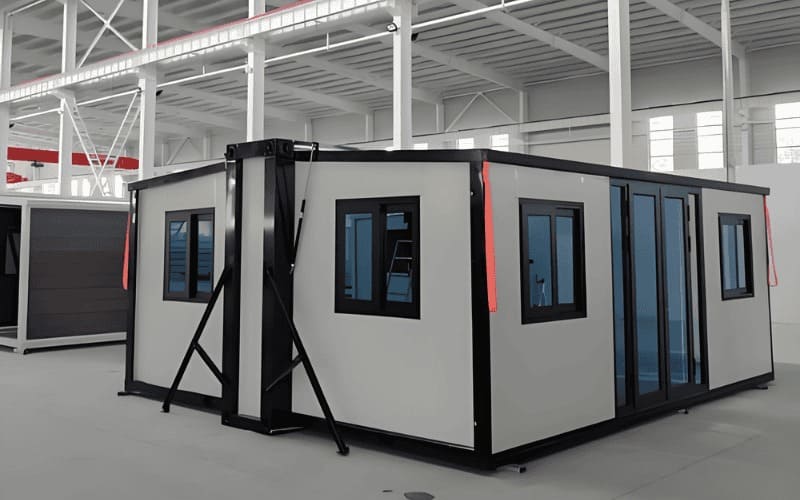
Expandable container homes are a form of modular housing built on standard shipping container structures. Their key feature is that the living space can be expanded on-site by unfolding or sliding out pre-built sections.
Unlike traditional houses that require extensive on-site construction, expandable container homes are:
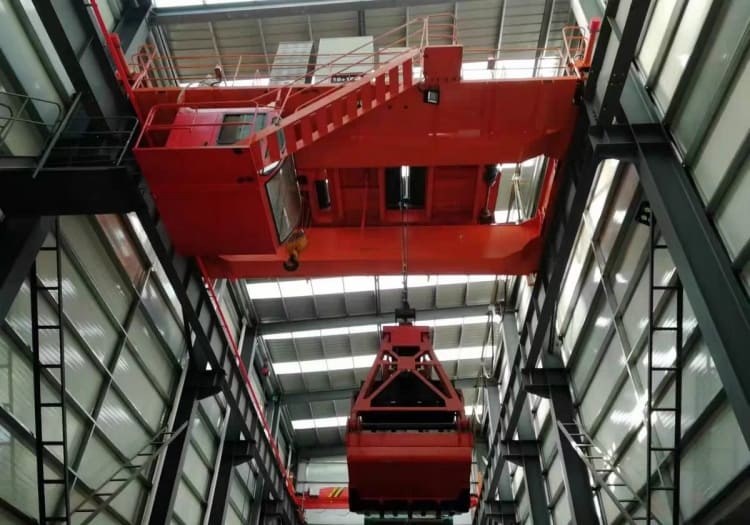
Manufactured in factories
Transported as compact units
Installed and unfolded on location
Once expanded, they form a fully enclosed, insulated, and structurally stable living space, often complete with electrical wiring, plumbing, bathrooms, and kitchens.
In Australia—where land is vast but construction costs are high—expandable container homes are no longer just a conceptual alternative. They are already being used, purchased, and approved in many real-world scenarios.
Common Applications of Expandable Container Homes in Australia
1. Affordable Housing Solution
With rising property prices, many Australians are searching for alternatives to endless renting.
Expandable container homes offer a more accessible entry point. Basic units can sometimes be found in the AUD 25,000–30,000 range, especially in auctions or second-hand markets. Compared to traditional homes costing hundreds of thousands—or even millions—this price difference is significant.
That said, buyers should be realistic. To make the home fully compliant and habitable, additional costs are often required:
Insulation upgrades
Plumbing and electrical connections
Foundations or footings
Council permits and inspections
Many first-time buyers underestimate these expenses. While the final cost may exceed the advertised unit price, it still remains considerably lower than conventional housing in most regions.
2. Holiday Homes, Farm Stays, and Retirement Retreats
Expandable container homes are especially popular for lifestyle properties.
Imagine:
A stargazing cabin near a salt lake
A compact holiday home by the sea
A creative studio beside a rainforest
Temporary accommodation on a remote farm
For landowners, these homes are often faster and easier than building timber or brick structures. The unit is delivered, unfolded, connected to utilities, and ready to use.
Some manufacturers even provide fully pre-fitted models with kitchens, bathrooms, insulation, and basic electrical systems—allowing near-immediate occupancy.
3. Temporary or Transitional Housing
Life doesn’t always go according to plan. Expandable container homes work well in situations such as:
Home renovations
Job relocation
Temporary family accommodation
Emergency or short-term housing needs
Unlike renting, there are no long-term leases, deposits, or rent increases. And unlike traditional construction, there is no extended build time.
When the situation changes, the home can be folded, transported, and reused elsewhere—making it a truly mobile housing solution.
4. Airbnb, Guesthouses, Offices, and Commercial Use
Many entrepreneurs are already using expandable container homes commercially. In tourist regions and rural destinations, they are increasingly seen as:
Airbnb rentals
Guesthouses
Temporary offices or studios
Small cafés or meeting rooms
Their adaptability makes them ideal for seasonal or location-based businesses. A unit can function as a vineyard accommodation in spring, a beach retreat in summer, and a mountain studio in autumn—something traditional buildings simply cannot offer.
How Much Do Expandable Container Homes Cost in Australia?
This is the question most people care about.
Basic Unit Cost
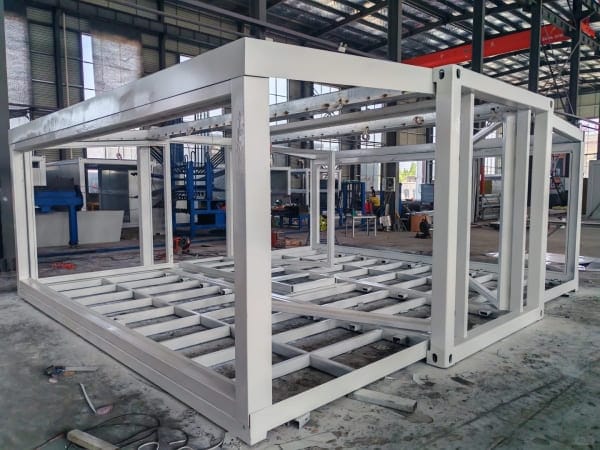
A standard expandable container home (20–40ft) typically ranges from AUD 18,000 to 30,000, depending on:
Size
Structural design
Insulation level
Included fittings
More basic models may require additional on-site work.
Completion Level & Customization
Units with:
Full plumbing
Bathrooms and kitchens
Pre-installed wiring
Better insulation and windows
will naturally cost more. Fully finished, “move-in-ready” models are priced higher but reduce post-installation stress.
Additional Costs (Often Overlooked)
Many buyers focus only on the unit price, but total costs may also include:
Transportation to site
Foundations or footings
Water, electricity, and sewage connections
Council permits and compliance inspections
As a result, the final cost of a fully legal, habitable home can be higher than expected—but still generally lower than traditional construction.
The Future of Expandable Container Homes in Australia
Will expandable container homes become mainstream by 2026?
Realistically, they are best suited to:
Rural and regional areas
Farms and lifestyle blocks
Remote coastal locations
Tourism and temporary accommodation
In major cities like Sydney or Melbourne, they are more commonly used as backyard studios, granny flats, or short-term rentals, due to zoning and planning restrictions.
They may not replace traditional housing—but they will continue to grow as a practical alternative for specific needs.
Conclusion
Expandable container homes in Australia represent more than a construction trend—they reflect a shift in lifestyle priorities.
They allow people to:
Live closer to nature
Reduce financial pressure
Adapt their space as life changes
They are not a perfect solution for everyone. But for many, they provide a realistic path toward independence, flexibility, and freedom.
About BST – A Professional Expandable Container House Manufacturer
If you are considering expandable container homes, it’s important to work with an experienced manufacturer.
BST is a professional container house manufacturer from China, specializing in the design, production, and export of high-quality expandable container homes.
Why Choose BST?
Modular design with flexible customization
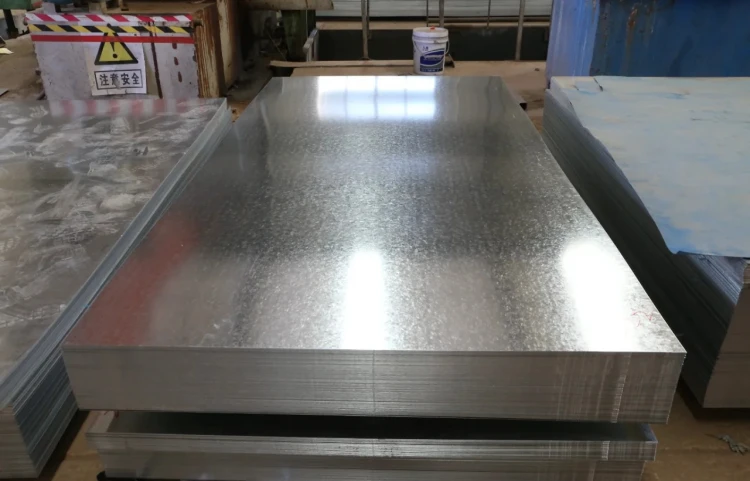
High-quality materials, including durable steel and eco-friendly insulation
Global export experience, including Australia, North America, and Europe
Versatile applications: housing, holiday homes, temporary accommodation, and commercial use
BST provides a one-stop service—from design and manufacturing to logistics and installation guidance—making modular home ownership simpler and more reliable.
If you’d like to learn more about expandable container home models, pricing, or customization options, feel free to contact BST’s professional team and explore whether this housing solution fits your lifestyle or project needs.