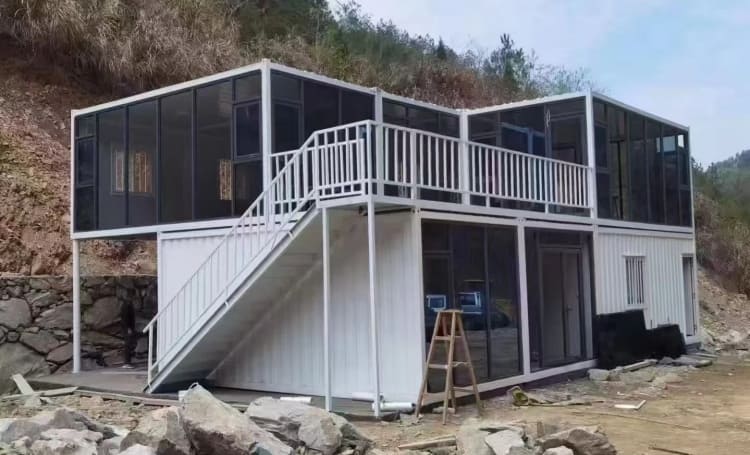
Lightweight steel structures are widely used in modern prefabricated housing due to their strength, durability, and advanced engineering performance. Compared with traditional construction materials such as brick or wood, light steel structures provide superior earthquake resistance, wind resistance, energy efficiency, and long-term reliability.
With continuous improvements in building technology, lightweight steel prefabricated houses have become a popular choice for residential homes, modular buildings, and sustainable construction projects.
Outstanding Earthquake and Wind Resistance
One of the most important advantages of lightweight steel structures is their excellent resistance to earthquakes and strong winds.
The structural design allows the building to remain stable during natural disasters such as earthquakes and typhoons. Steel has strong ductility and flexibility, which enables the structure to absorb and redistribute energy instead of collapsing.
Research and experimental data show that lightweight steel structures can be two to three times more earthquake-resistant than traditional brick or wooden buildings. In many cases, while conventional structures may collapse during severe earthquakes, lightweight steel buildings usually experience recoverable bending deformation rather than structural failure.
This significantly improves building safety and long-term durability.
Advanced Structural Design and Load Resistance
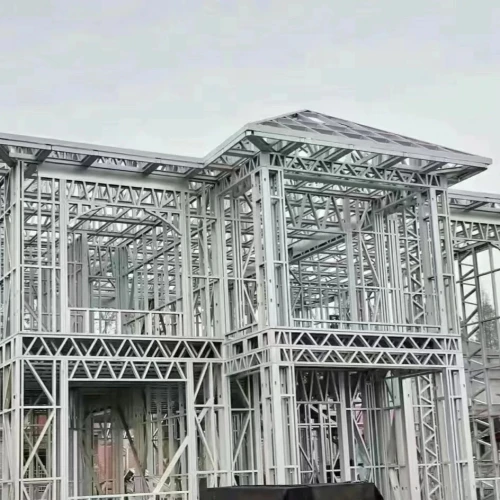
Lightweight steel buildings use a carefully engineered steel keel frame system. The frame works together with the external wall panels to create a structural “skin effect,” which greatly enhances resistance to both horizontal and vertical loads.
Key structural features include:
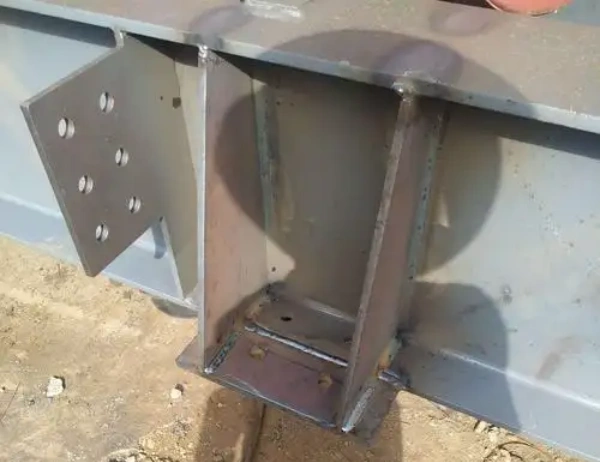
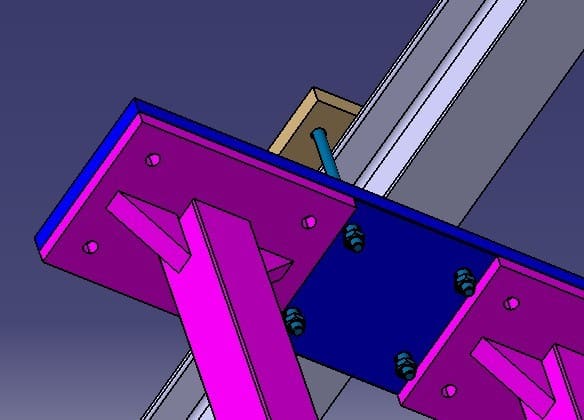
Steel frame components connected with high-strength bolts
Integrated connection between the main structure and the foundation
Enhanced resistance to seismic and wind forces
With proper engineering design, lightweight steel structures can withstand earthquakes up to magnitude 9 and typhoons with wind forces equivalent to level 12.
Additionally, the structural components are made from hot-dip galvanized high-strength cold-rolled steel sheets, typically with a galvanization level of about 185 g/m², which significantly improves corrosion resistance and extends the building’s service life.
Lightweight Structure and Lower Construction Costs
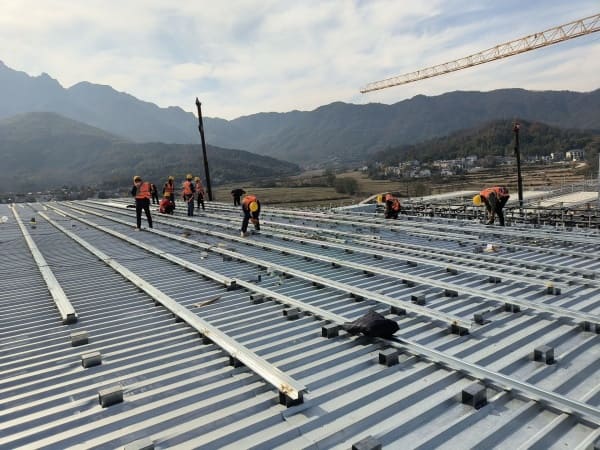
Light steel structures offer significant advantages in terms of building weight and foundation requirements.
Among major building types, lightweight steel components have one of the smallest cross-sectional areas, allowing the building to remain strong while maintaining a lighter overall structure.
Key benefits include:
Lower total structural weight
Reduced foundation load requirements
Lower construction costs
Faster installation and assembly
Compared with traditional brick-concrete structures, the total weight of a lightweight steel building is typically only about one-fifth to one-sixth as heavy.
Because of the thinner enclosure walls—generally 14–20 cm thick—light steel houses can also increase the usable indoor space by approximately 10% compared to concrete buildings.
Excellent Thermal Insulation Performance
Energy efficiency is another important advantage of lightweight steel prefabricated houses.
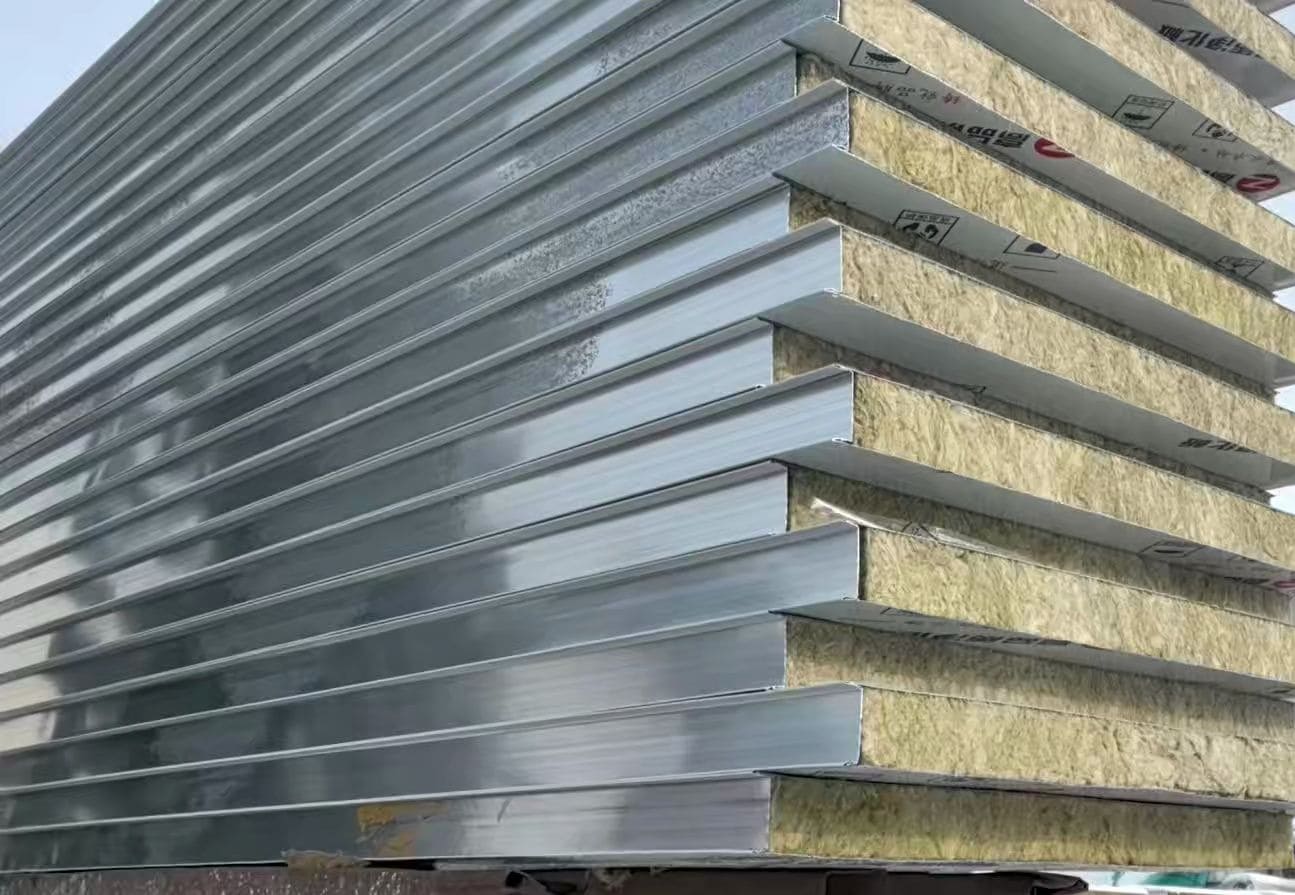
The exterior walls are typically wrapped with extruded polystyrene (XPS) or polyurethane insulation, forming a continuous external insulation system. This design effectively eliminates thermal bridges, which are common in traditional buildings.
A ventilated cavity layer is also designed between the outer wall panels and the structural panels. This layer helps isolate the building from extreme outdoor temperatures.
Benefits of this insulation system include:
Improved indoor temperature stability
Reduced heat transfer through walls
Prevention of moisture-related problems such as mold or rust
Compliance with modern building energy efficiency standards
The reflective and ventilated insulation design can even reduce indoor temperatures by approximately 5–8°C in hot environments.
Significant Energy Savings and Sustainability
Lightweight steel construction supports sustainable and environmentally friendly building practices.
Advanced construction technology allows energy consumption to be reduced by approximately 65%–90% compared with traditional buildings.
Additional sustainability advantages include:
Dry construction methods that reduce water use to about 10% of traditional construction
Up to 90% of building materials recyclable
Reduced construction waste and resource consumption
Many lightweight steel buildings also use recycled and environmentally friendly materials, contributing to greener construction practices.
Long Service Life and Durability
Durability is a major advantage of light steel structural systems.
Structural components undergo special galvanizing treatments, which protect the steel from corrosion and rust. With proper design and maintenance, lightweight steel structures can achieve a structural lifespan of up to 70 years.
Additional durability benefits include:
Fire-resistant building materials
Mold-resistant and moisture-resistant components
Protection against insects and environmental damage
These features help ensure that lightweight steel prefabricated houses remain stable, safe, and reliable for decades.
Advanced Sound Insulation and Comfortable Living
Modern lightweight steel buildings also incorporate advanced sound insulation and vibration reduction technologies.
Special reinforcement is often added in the 250–1000 Hz frequency range, which is the sound range most sensitive to human hearing. This significantly improves acoustic performance and creates a quiet and comfortable indoor environment.
As a result, residents benefit from:
Reduced external noise
Improved acoustic comfort
Enhanced living quality
Conclusion
Lightweight steel prefabricated houses combine structural strength, energy efficiency, environmental sustainability, and modern comfort. Their superior earthquake and wind resistance, lightweight structure, and efficient insulation systems make them an ideal solution for modern housing construction.
With benefits such as reduced construction costs, longer service life, improved energy efficiency, and enhanced living comfort, lightweight steel structures are becoming an increasingly important part of the future of sustainable residential building.