Skip to content
Namibia’s economy is driven by key industries such as mining, manufacturing, agriculture, education, and public administration. These sectors play a vital role in national development and GDP growth.
However, one common challenge across all industries is infrastructure limitations, especially in remote and underdeveloped regions.
This is where prefabricated modular buildings in Namibia are becoming a game-changing solution—offering fast, scalable, and cost-effective infrastructure for businesses and government institutions.
What Are Modular Buildings?
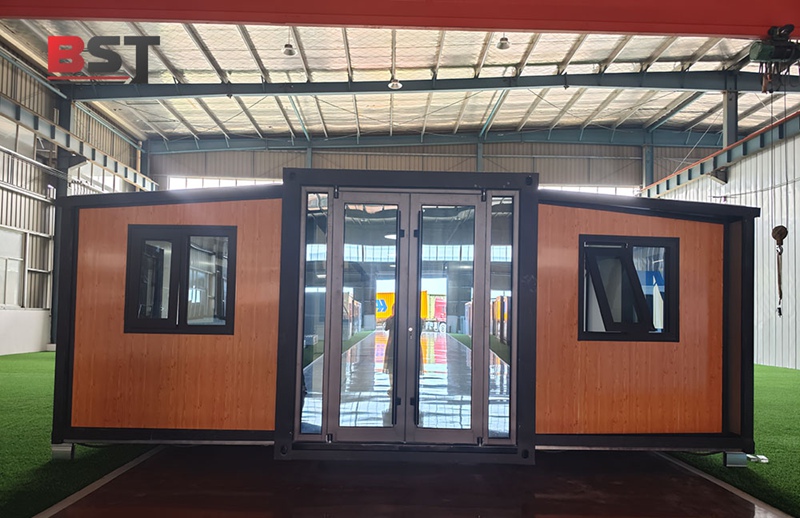
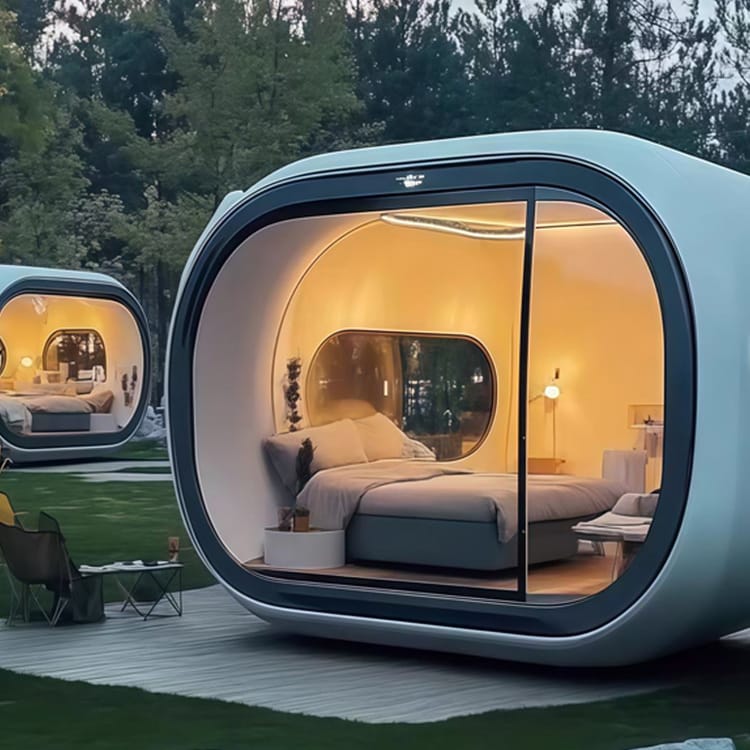
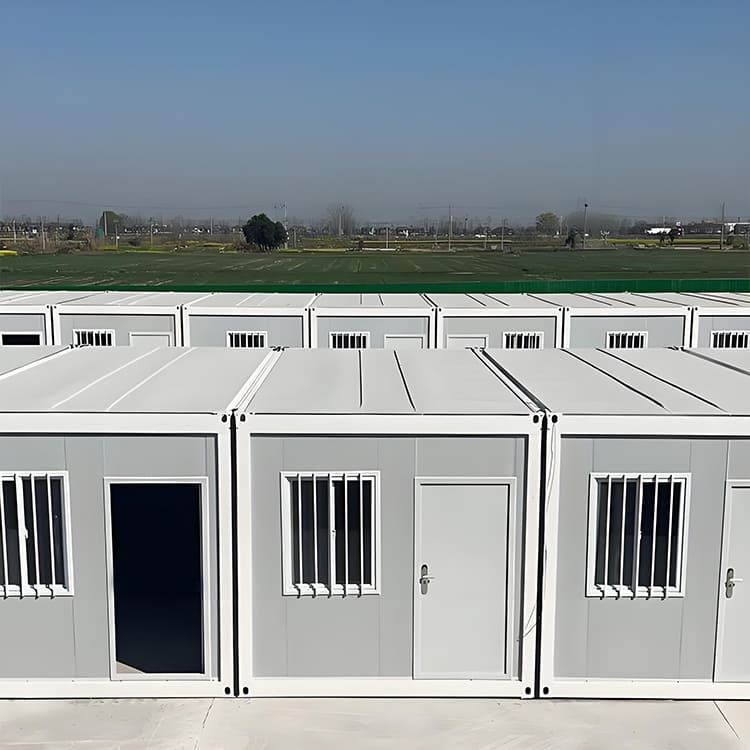
Modular buildings are prefabricated structures manufactured in a controlled factory environment and assembled on-site.
They are widely used for:
- Mining camps
- Industrial facilities
- Schools and classrooms
- Government offices
- Agricultural storage units
1. Mining Industry in Namibia: Built for Harsh Environments
Mining contributes approximately 18% of Namibia’s GDP, making it one of the country’s most important industries. It includes resources such as diamonds, uranium, and gold.
Key Challenges:
- Remote locations
- Extreme weather conditions
- High setup costs for infrastructure
How Modular Buildings Support Mining Operations
✔ Rapid Deployment
Modular mining camps can be built up to 6x faster than traditional construction.
✔ Durable Structures
Designed with fire-retardant and weather-resistant materials suitable for harsh environments.
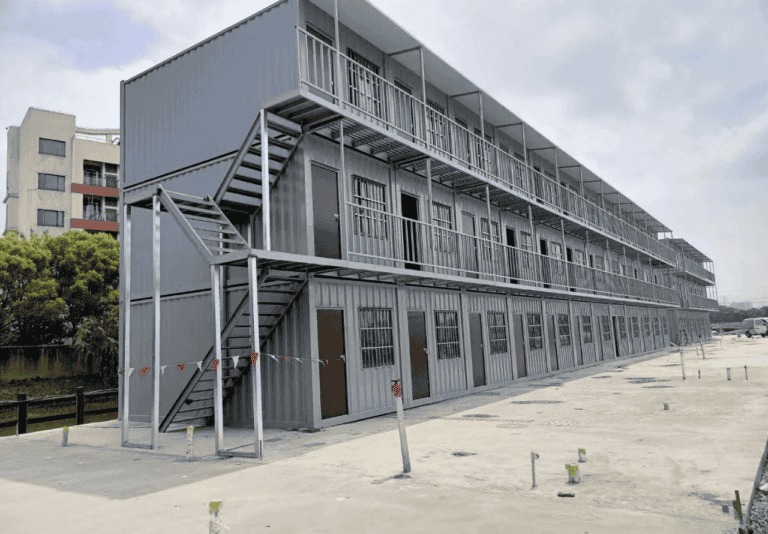
✔ Custom Mining Camps
Includes:
- Temporary offices
- Worker accommodation
- Dining and recreation facilities
✔ Cost Efficiency
Reduces construction costs by up to 30%.
2. Manufacturing Sector: Flexible Industrial Infrastructure
Manufacturing contributes about 10.1% of Namibia’s GDP, supporting industrial diversification and economic growth.
Modular Benefits for Manufacturing
✔ Fast factory setup
✔ Scalable production facilities
✔ Reduced material waste
✔ Lower labor costs
Manufacturers can expand operations without rebuilding entire facilities.
3. Agriculture: Efficient Rural Infrastructure Solutions
Agriculture, forestry, and fishing are essential for Namibia’s rural economy.
🚜 Challenges:
- Post-harvest losses
- Lack of storage facilities
- Remote operational areas
🏗️ Modular Agricultural Solutions
✔ Weather-resistant storage warehouses
✔ Farm offices and planning units
✔ Livestock shelters
✔ Low-cost scalable construction

4. Public Administration: Modern Government Infrastructure
Public administration contributes around 12.9% of Namibia’s GDP, supporting governance and public services.
🏛️ Key Infrastructure Needs:
- Fast office deployment
- Cost efficiency
- Flexible expansion
🏗️ Modular Government Buildings
✔ Rapid construction of office complexes
✔ Energy-efficient workspace design
✔ Minimal disruption during installation
✔ Scalable administrative buildings
5. Education Sector: Building Future Learning Spaces
Education contributes approximately 9.2% of Namibia’s GDP, but faces infrastructure shortages, especially in rural areas.
🏫 Modular Education Solutions
✔ Fast classroom construction (up to 6x faster)
✔ Safe, fire-resistant materials
✔ Expandable school buildings
✔ Custom layouts for libraries, labs, and classrooms
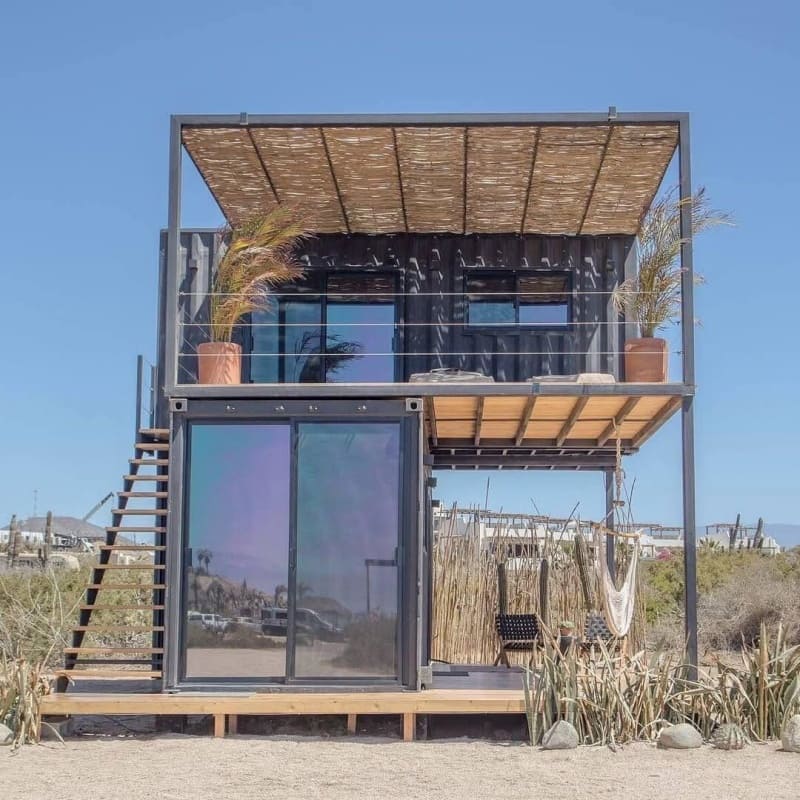
💰 Cost of Modular Buildings in Namibia
The cost of modular buildings in Namibia depends on size, design, and usage.
📊 Estimated Cost Factors:
- Building size
- Material specifications
- Transportation distance
- Installation complexity
👉 Modular construction can reduce total project costs by up to 30% compared to traditional buildings.
Why Modular Buildings Are the Future of Namibia
✔ Faster infrastructure development
✔ Lower construction costs
✔ Ideal for remote regions
✔ Scalable and flexible design
✔ Supports economic diversification
Why Choose BST Modular Buildings
BST is a trusted provider of prefabricated modular solutions across Africa.
⭐ Key Advantages:
- Custom-designed industrial solutions
- Up to 6x faster construction speed
- Certified durable materials
- Energy-efficient insulation systems
- Up to 30% cost savings
- End-to-end project delivery
- 20+ years of industry experience
❓ FAQs About Modular Buildings in Namibia
What are modular buildings used for?
They are used for offices, schools, housing, mining camps, factories, and agricultural facilities.
How fast can modular buildings be built?
They can be completed up to 6 times faster than traditional construction methods.
Are modular buildings durable in Namibia?
Yes, they are designed to withstand harsh weather, heat, and remote environmental conditions.
Can modular buildings be customized?
Yes, they can be fully customized for industrial, commercial, or government use.
Upgrade Your Infrastructure in Namibia Today
Looking for fast and reliable infrastructure solutions?
BST provides custom modular building systems tailored to your industry needs.
✔ Mining camps
✔ Government offices
✔ Schools
✔ Industrial facilities
✔ Agricultural buildings
👉 Contact us today for a customized quotation.
Conclusion
Modular buildings are redefining infrastructure development in Namibia. With faster construction, lower costs, and high adaptability, they provide a powerful solution for industries facing geographic and economic challenges.
From mining and agriculture to education and government services, modular construction enables Namibia to build smarter, faster, and more sustainably.
BST continues to lead this transformation by delivering high-quality, scalable modular solutions designed for Africa’s real-world conditions.