Skip to content
Africa is experiencing one of the fastest urbanisation rates in the world. As cities expand and populations grow, the demand for affordable housing in Africa continues to rise sharply.
Traditional construction methods are struggling to keep pace due to high costs, slow delivery times, and logistical challenges. This is where prefabricated housing in Africa is transforming the industry.
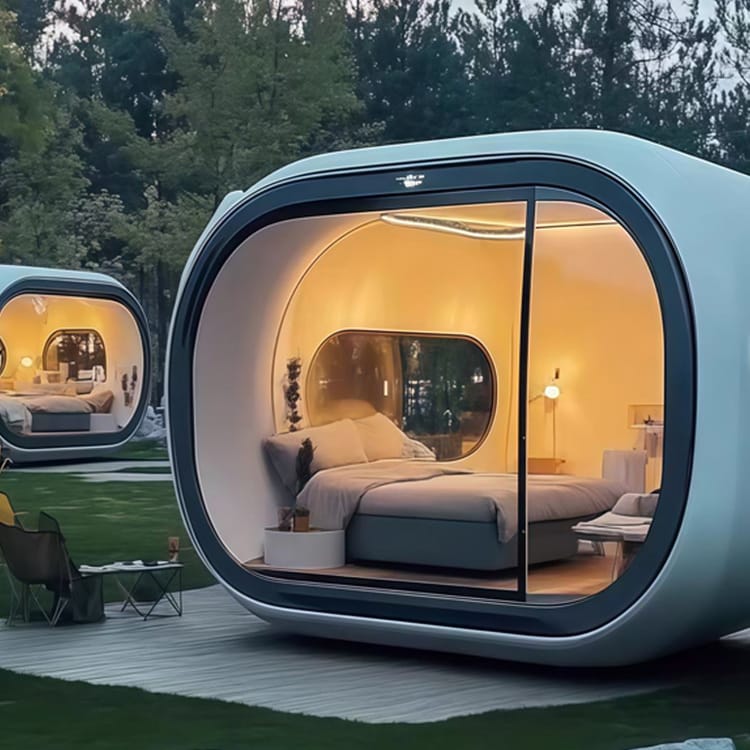
Prefabricated modular buildings provide a faster, more cost-effective, and scalable way to deliver housing across both urban and rural regions.
What Is Prefabricated Housing?
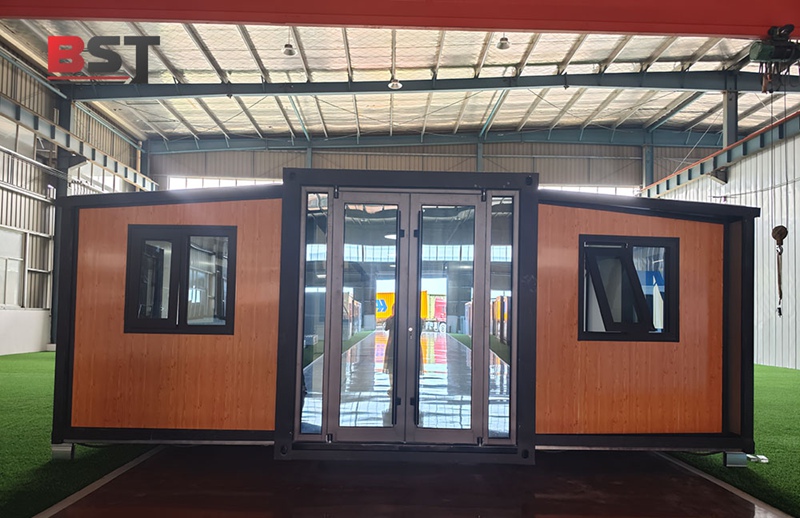
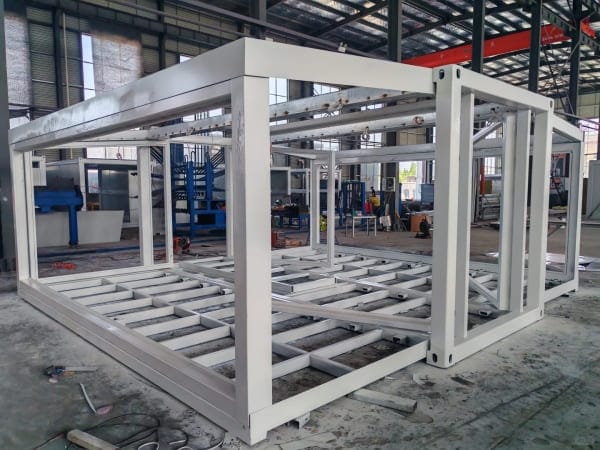
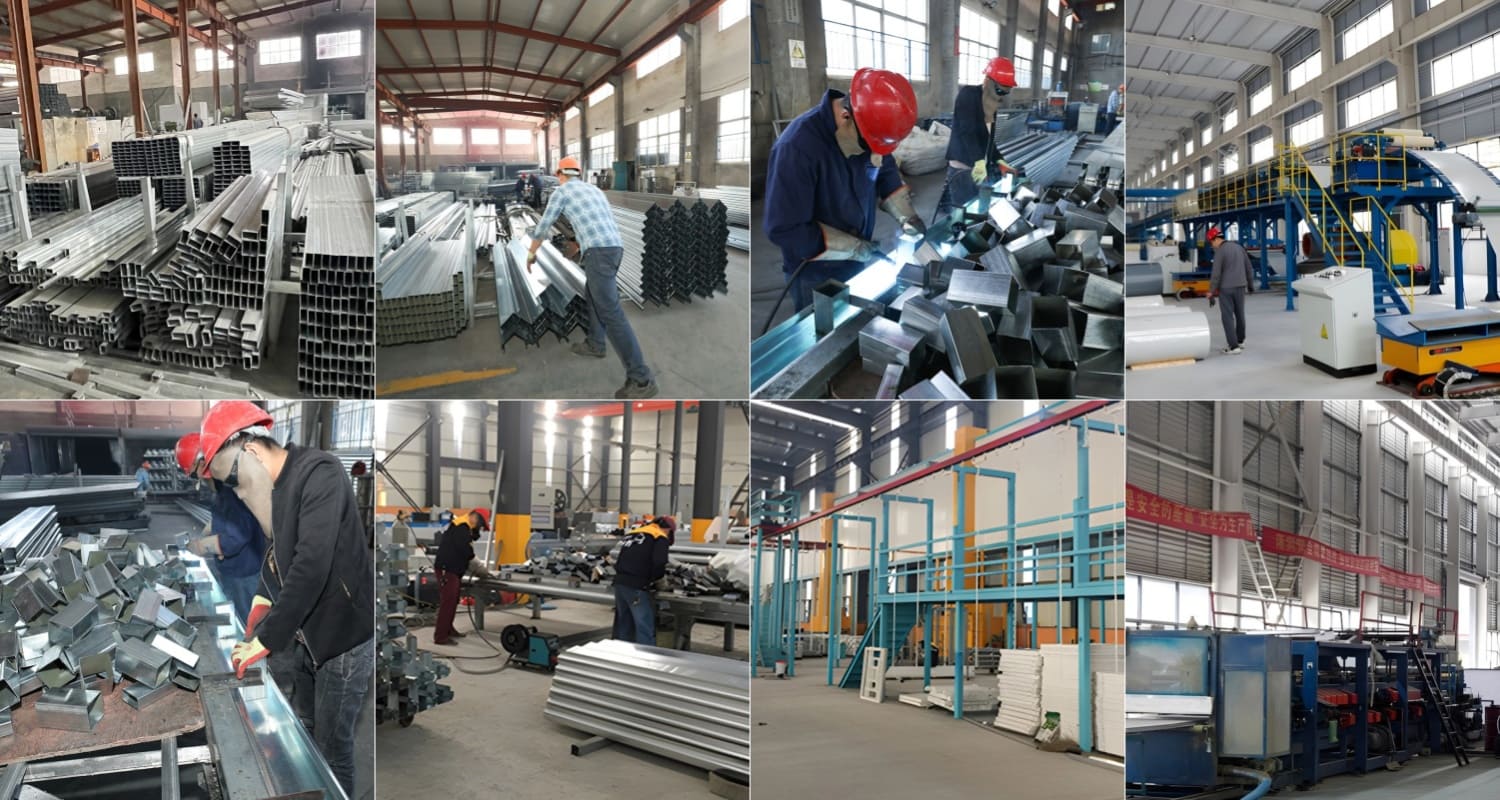
Prefabricated housing refers to buildings that are manufactured in sections within a factory and then transported to the construction site for assembly.
This method ensures:
- Faster construction timelines
- Consistent quality control
- Reduced material waste
- Lower overall project costs
Why Africa Needs Modular Housing Solutions
Africa currently faces a housing shortage of over 50 million homes, driven by:
- Rapid urban population growth
- Expansion of informal settlements
- Limited infrastructure in rural regions
- Rising construction costs
Without scalable construction methods, this gap will continue to widen, impacting economic development and quality of life.
Benefits of Prefabricated Modular Buildings
💰 Lower Construction Costs
One of the biggest advantages of prefab housing is affordability.
- Reduces construction costs by 20–30%
- Minimises material waste
- Requires less on-site labor
This makes it ideal for government housing projects and private developers.
⚡ Faster Construction Speed
Time is critical when addressing large housing shortages.
Prefab buildings can be completed up to 6 times faster than traditional construction.
Best for:
- Urban housing developments
- Mining and industrial camps
- Emergency housing
Durability and Quality
Modern prefab homes are designed to handle Africa’s diverse climates:
- High temperatures
- Heavy rainfall
- Strong winds
Built using fire-retardant and certified materials, these structures ensure long-term durability with minimal maintenance.
Sustainable and Energy Efficient
Prefab modular housing supports sustainable development:
- Energy-efficient insulation
- Lower carbon footprint
- Reduced long-term energy costs
Cost of Prefabricated Housing in Africa
The cost of prefabricated housing in Africa typically ranges from $80 to $300 per square meter, depending on several factors.
Key Cost Factors:
- Size and layout complexity
- Material specifications
- Transportation distance
- Installation requirements
Compared to traditional construction, prefab housing can reduce total project costs by up to 30%, making it a highly attractive investment.
Applications of Modular Housing in Africa
Residential Housing Projects
Prefab homes are widely used for:
- Affordable housing developments
- Private residential projects
- Community housing initiatives
Flexible designs allow customization while maintaining cost efficiency.
Worker Accommodation
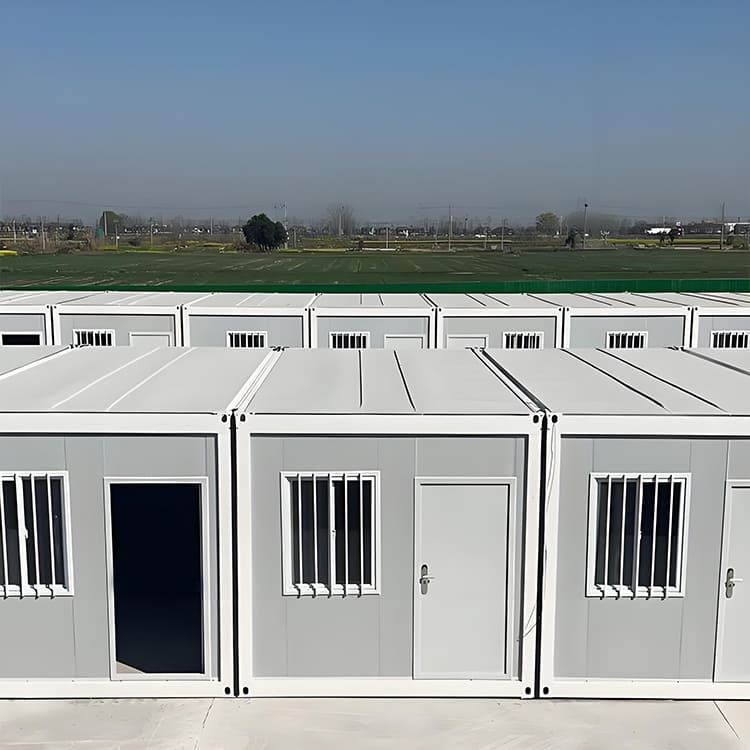
Industries such as mining, agriculture, and infrastructure rely on modular housing for:
- Worker dormitories
- Dining halls
- Recreational facilities
These improve worker comfort and productivity.
Emergency and Temporary Housing
Prefab buildings are ideal for:
- Disaster relief
- Refugee housing
- Temporary settlements
They can be deployed quickly and expanded as needed.
Prefab Housing for Remote Areas
Remote construction presents challenges such as:
- Limited labor availability
- Difficult transportation
- High construction costs
Prefab solutions overcome these issues through:
- Factory-based production
- Easy transportation
- Rapid on-site assembly
How Prefabricated Housing Supports Long-Term Development
Scalability
Modular designs allow housing projects to expand easily as demand grows.
🏗️ Improved Urban Planning
Prefab housing supports:
- Organized city expansion
- Better land use
- Reduced infrastructure pressure
👷 Job Creation
The prefab industry creates opportunities in:
- Manufacturing
- Transportation
- Construction assembly
It also promotes workforce training and skill development.
Why Choose BST Prefabricated Solutions
BST is a leading provider of modular construction solutions in Africa.
⭐ Key Advantages:
- Custom-designed modular buildings
- Up to 6x faster construction timelines
- Certified materials and safety standards
- Energy-efficient building systems
- Up to 30% cost savings
- Delivery across Sub-Saharan Africa
🔗 Related Solutions
-
Top Shipping Container Uses for Homes, Businesses & Industry
-
Durable Prefab Temporary Housing Solutions for All Industries
-
Detachable Modular House: Complete Installation, Dismantling & Safety Guide
❓ FAQs About Prefabricated Housing in Africa
What is prefabricated housing?
Prefabricated housing refers to buildings constructed off-site and assembled on location for faster and more efficient construction.
Is prefab housing durable in Africa?
Yes, modern prefab homes are designed to withstand extreme weather conditions, including heat, rain, and strong winds.
How long does prefab construction take?
Prefab housing can be completed up to 3–6 times faster than traditional construction methods.
Is prefab housing cheaper in Africa?
Yes, it can reduce overall construction costs by 20–30%, depending on project scale and design.
📩 Get a Free Prefabricated Housing Quote
Planning a housing or accommodation project in Africa?
Get expert support with:
✔ Custom modular design
✔ Accurate cost estimation
✔ Fast delivery timelines
👉 Contact us today to start your prefab housing project.
Conclusion
Prefabricated modular housing is rapidly becoming the most effective solution to Africa’s housing crisis. With lower costs, faster construction, and scalable design, it offers a clear path toward sustainable development.
For governments, developers, and investors, adopting prefab construction means building smarter, faster, and more efficiently.
As demand continues to grow, prefabricated housing will play a key role in shaping the future of modern, affordable living across Africa.