Skip to content
Metal carved panels are an innovative exterior wall insulation and decorative building material widely used in modern construction. These panels combine thermal insulation, decorative appearance, and structural protection into a single integrated system.
A typical metal carved panel consists of three layers:
-
Surface Layer: Color embossed metal sheet with special coating treatment
-
Core Layer: Flame-retardant high-density rigid polyurethane foam for insulation
-
Bottom Layer: Aluminum foil protective layer that provides moisture resistance and heat reflection
Thanks to this multi-layer structure, metal carved panels offer excellent insulation, waterproofing, fire resistance, sound insulation, and durability. Their lightweight design and simple installation process make them suitable for construction projects throughout the year.
1. Excellent Thermal Insulation and Energy Efficiency
One of the most important advantages of metal carved panels is their superior thermal insulation performance.
Compared with traditional exterior wall materials, these panels provide better heat preservation in winter and heat resistance in summer. This helps reduce energy consumption for heating and cooling systems.
Key benefits include:
-
Strong heat insulation capability
-
Reduced building energy consumption
-
Lower heating and air-conditioning costs
-
Improved indoor comfort
Because of these advantages, metal carved panels are widely used in energy-efficient buildings and modern green construction projects.
2. Easy Installation and Lower Construction Costs
Metal carved panels are designed for quick and efficient installation.
The installation method is simple and does not depend heavily on seasonal conditions or geographic location, which means the panels can be installed throughout the year.
Key advantages include:
-
Fast installation process
-
Reduced construction time
-
Lower labor costs
-
Improved construction efficiency
By shortening the construction cycle, these panels help accelerate project completion and reduce overall building costs.
3. Lightweight Structure with Strong Seismic Performance
Metal carved panels are known for their lightweight yet durable structure.
Their high strength and impact resistance help reduce the load on the building’s structural framework. This feature is especially beneficial when used in light steel structures or prefabricated buildings.
Advantages include:
-
Reduced building load
-
Improved structural stability
-
Enhanced earthquake resistance
-
Crack resistance and durability
These characteristics help improve the overall safety and reliability of buildings.
4. Flame Retardant, Waterproof, and Moisture Resistant
Metal carved panels undergo special treatment to ensure excellent fire resistance and waterproof performance.
Traditional wall decoration materials can suffer from water penetration, which may cause interior wall damage or mold growth. However, metal carved panels feature a tight structural design and interlocking installation system that effectively prevents water infiltration.
Additional advantages include:
-
Excellent flame-retardant properties
-
Strong resistance to rain, snow, and freezing cycles
-
Prevention of moisture penetration and mold growth
-
Long-term structural stability even in cold climates
This reliable performance helps extend the service life of buildings.
5. Sound Insulation and Noise Reduction
The core material of metal carved panels is high-density polyurethane foam, which forms a closed-cell structure inside the panel.
This structure provides effective sound insulation and noise reduction.
Metal carved panels are particularly suitable for buildings located near noisy areas, such as:
-
Apartments
-
Hospitals
-
Schools
-
Urban office buildings
They help reduce external noise and create a quiet and comfortable indoor environment.
6. Environmentally Friendly and Durable
Metal carved panels are designed to meet modern environmental and sustainability standards.
The materials have stable chemical and physical properties and offer several eco-friendly advantages:
-
No radiation or harmful emissions
-
Resistant to mold and corrosion
-
Long service life
-
Recyclable and reusable materials
Even leftover materials from construction can be recycled and reused, which helps reduce building waste and environmental impact.
In addition, the panels are easy to clean and maintain, ensuring long-term durability.
7. Strong Decorative Effect and Flexible Design
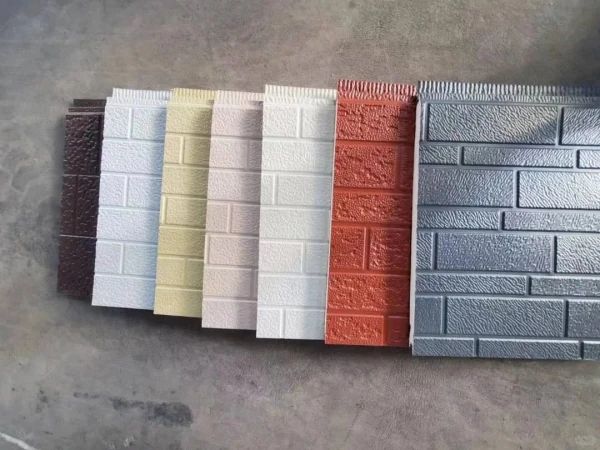
Metal carved panels provide a wide variety of decorative patterns and color options.
There are hundreds of combinations of embossed patterns and colors, allowing architects and designers to create unique exterior wall designs.
Design advantages include:
-
Luxurious and modern decorative appearance
-
Flexible combination of patterns and colors
-
Custom color options for special projects
-
Easy replacement or redesign of wall panels
These decorative features help enhance the overall visual appeal and architectural value of buildings.
8. Wide Range of Applications
Metal carved panels are suitable for many types of construction and renovation projects.
Common applications include:
-
Municipal construction projects
-
Residential apartments and villas
-
Office buildings
-
Garden landscape structures
-
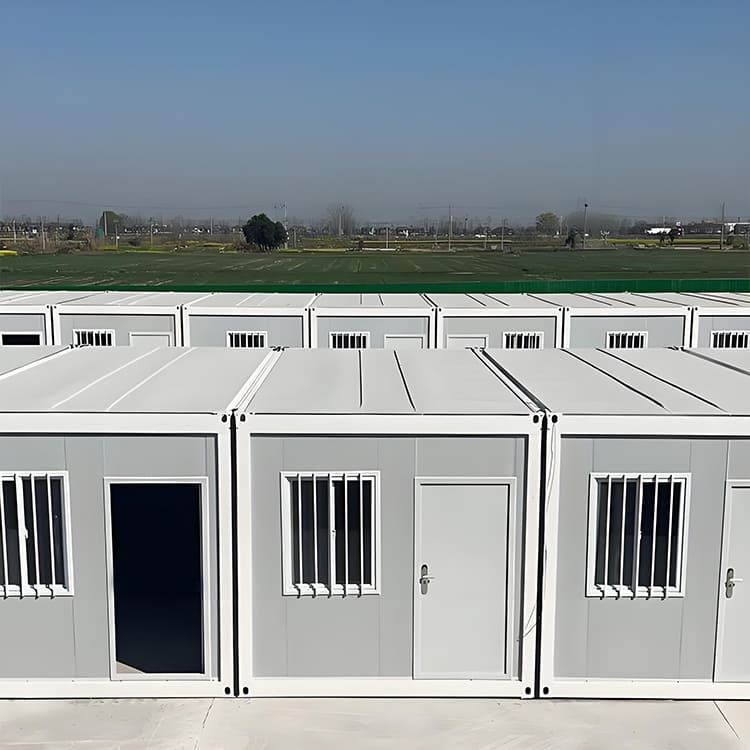
Guard houses and security booths
-
Renovation of old buildings
-
Indoor and outdoor wall decoration
These panels can be used with various structural systems, including:
-
Brick-concrete structures
-
Steel frame buildings
-
Light steel houses
-
Prefabricated buildings
Because of their versatility, metal carved panels are becoming an increasingly popular exterior wall insulation and decoration material.
Conclusion
Metal carved panels combine thermal insulation, waterproofing, fire resistance, decorative appearance, and easy installation into a single integrated wall system. Their lightweight structure, energy efficiency, and durability make them ideal for modern construction projects.
With advantages such as cost savings, environmental sustainability, sound insulation, and flexible architectural design, metal carved panels are quickly becoming one of the preferred materials for exterior wall insulation and decorative building systems.