Skip to content
Military operations require housing that performs far beyond ordinary construction.
Whether supporting peacekeeping missions, humanitarian relief, or forward operating bases, temporary military housing must combine:
-
Rapid deployment
-
Structural durability
-
Climate adaptability
-
Cost efficiency
Modern armed forces increasingly rely on modular and container-based housing systems to establish operational camps anywhere in the world.
Why Temporary Military Housing Matters Strategically
Accommodation quality directly affects operational readiness.
Personnel operating in remote or hostile environments need protection, sanitation, and dignified living conditions.
Poor housing leads to:
-
Fatigue and reduced performance
-
Health risks
-
Lower morale
-
Mission inefficiency
Temporary military housing enables:
-
Rapid deployment without permanent construction
-
Scalable operations as missions expand or contract
-
Integrated logistics hubs (medical, dining, communication)
-
Humanitarian credibility during peacekeeping operations
Global deployments — from Africa to Asia — require structures transportable by sea, land, or air and assembled quickly without heavy machinery.
Core Technologies Used in Modern Military Camps
1. Container House Systems
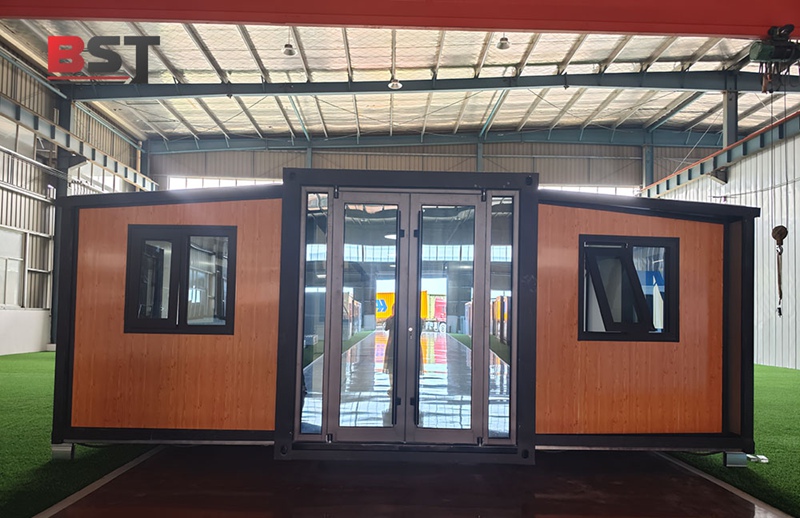
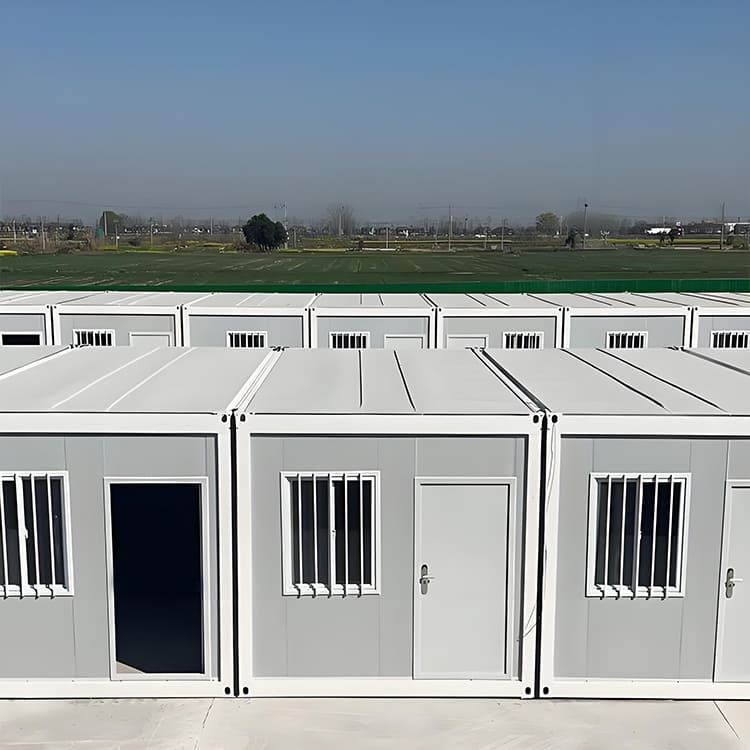
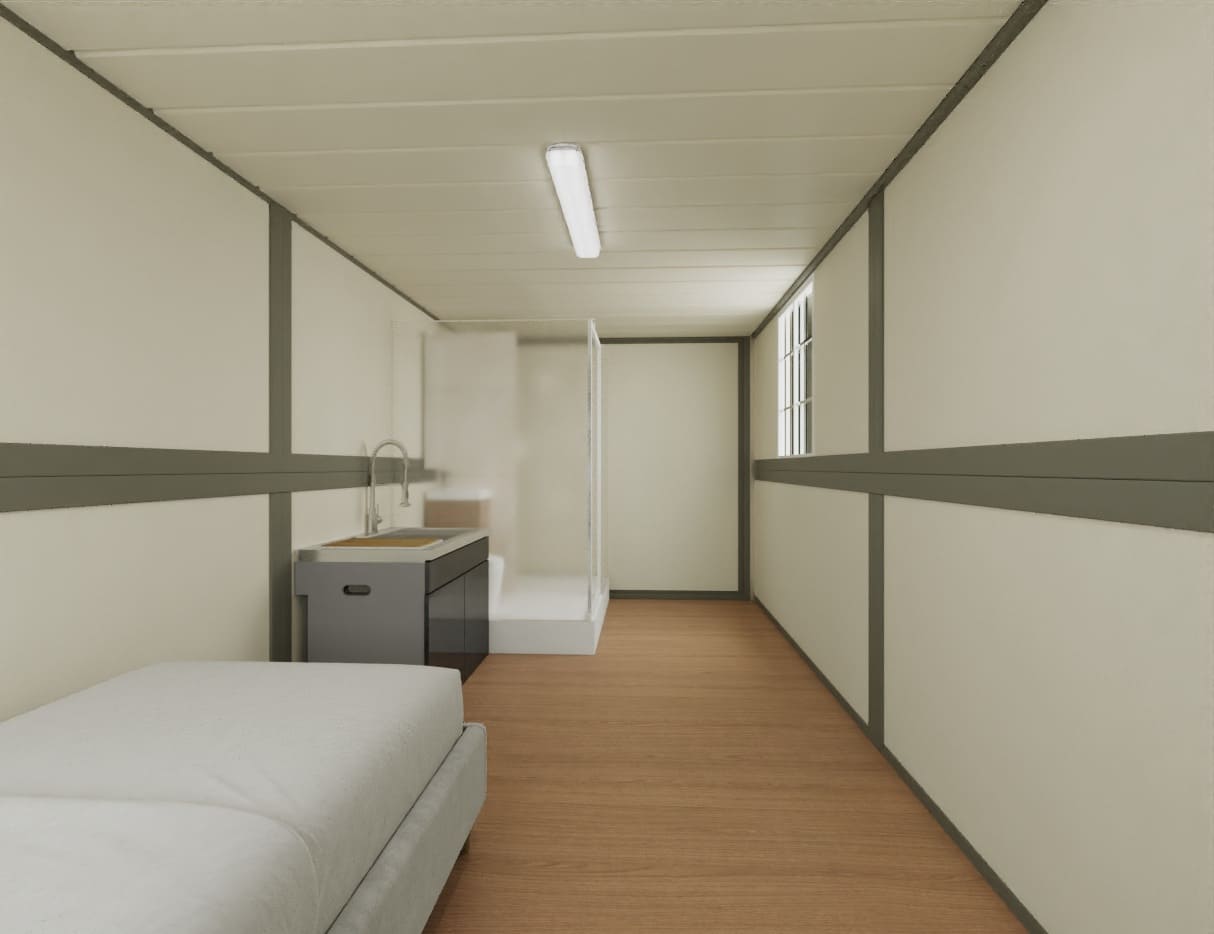
Container housing offers the fastest transport and installation.
Typical features
-
Standard 20ft or 40ft container structure
-
Factory-installed insulation and utilities
-
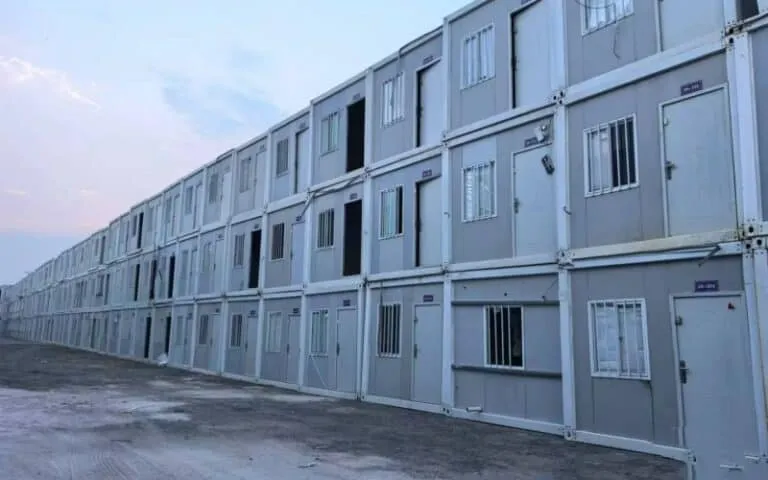
Stackable up to 3 floors
-
Galvanized steel frame
-
Rock wool & glass fiber insulation
Used for:
-
Dormitories
-
Offices
-
Command posts
-
Storage rooms
2. Prefabricated Modular Buildings (ZA Type)
Advanced modular systems designed for harsh environments.
Key advantages
-
Fully bolted assembly (no welding)
-
Strong wind resistance (hurricane-rated)
-
Superior sealing and waterproofing
-
Fast installation with consistent quality
-
Excellent corrosion resistance
Ideal for long deployments and extreme climates.
3. Light Steel Villa Structures
Semi-permanent military buildings designed for extended missions.
Best used for:
-
Medical centers
-
Command headquarters
-
Officer accommodation
-
Training facilities
Service life can exceed 25 years while remaining relocatable.
Technical Performance Requirements
Military housing must meet strict engineering standards:
Structural loads
-
Roof: 0.5 kN/m²
-
Floor: 2.0 kN/m²
-
Wind resistance: 0.5 kN/m²
Thermal insulation
-
Roof: 0.64 W/m·K
-
Floor: 0.46 W/m·K
-
Wall: 0.47 W/m·K
Modules typically include:
-
Electrical wiring
-
Water supply
-
Drainage systems
-
Integrated bathrooms
-
Finished interior panels
These allow immediate operational use after installation.
Real-World Deployment Examples
Modern modular housing has been used in:
-
Peacekeeping missions
-
Remote military assistance programs
-
Cold-climate engineering projects
In extreme winter conditions (-52°C), enhanced insulated modular camps successfully housed thousands of personnel, proving adaptability across severe environments.
The same systems also function as:
-
Mobile command centers
-
Medical stations
-
Dining facilities
-
Equipment storage
Advantages Over Traditional Construction
1. Transport Efficiency
Up to 5 housing units fit into one shipping container, drastically reducing logistics costs.
2. Rapid Installation
Construction time reduced from months to days.
No specialized labor required.
3. Structural Reliability
Galvanized steel resists corrosion and harsh weather.
4. Environmental Performance
High insulation maintains stable indoor temperature.
5. Cost Effectiveness
Reusable across multiple missions, lowering lifecycle cost.
Integrated Military Infrastructure
Modern camps operate as complete facilities, not just housing.
They include:
-
Power distribution systems
-
Water storage & treatment
-
Cold-chain food storage
-
Sanitation modules
-
Security monitoring
-
Fire protection systems
-
Secure communication networks
-
Medical treatment rooms
Together they create a fully functional operational base.
Sustainability & Environmental Adaptation
Prefabricated military housing improves sustainability by:
-
Reducing construction waste
-
Reusing structures across deployments
-
Lowering fuel consumption
-
Integrating solar energy
-
Preventing environmental contamination
Designs can be customized for:
-
Arctic cold regions
-
Tropical heat
-
Coastal humidity
-
Flood zones
Comparison of Military Housing Types
| Feature | Container Houses | Prefab Modular | Light Steel Villas | Traditional |
|---|---|---|---|---|
| Deployment Speed | Very Fast | Fast | Moderate | Slow |
| Transport Efficiency | Excellent | Good | Medium | Poor |
| Reusability | High | High | Medium | Low |
| Climate Adaptation | Good | Excellent | Excellent | Limited |
| Installation Labor | Minimal | Skilled | Professional | Full construction |
Future Trends in Military Housing
Upcoming innovations include:
-
Smart monitoring systems
-
Energy-efficient lighting
-
Modular electrical networks
-
Carbon-fiber structural components
-
Advanced insulation materials
The goal is clear: faster deployment, higher comfort, lower cost.
Conclusion
Temporary military housing has evolved into a critical force multiplier. Modular and container-based systems allow armed forces to deploy rapidly, operate efficiently, and maintain personnel welfare anywhere in the world.
As military operations become more mobile and global, scalable prefabricated base camps will continue replacing traditional construction — delivering durability, flexibility, and long-term operational value.