Skip to content
Permits, Councils, and What You Must Know Before Buying
One of the biggest concerns Australians have is legality.
Are expandable container homes actually allowed?
The short answer: Yes—but approval depends on how and where you use them.

1. Expandable Container Homes Are Not “Unregulated”
In Australia, these homes are usually classified as:
-
Relocatable buildings
-
Transportable dwellings
-
Modular or prefabricated homes
They must comply with:
-
NCC (National Construction Code)
-
Local council planning schemes
-
Bushfire, wind, and energy ratings
2. State-by-State Reality (General Overview)
While rules vary by council, general trends are:
-
Queensland: More flexible in rural and regional areas
-
Victoria: Approval possible but documentation-heavy
-
NSW: Granny flats and studios more common than full residences
-
South Australia & WA: Often supportive in non-metro zones
Always check local council zoning, not just state law.
3. Key Compliance Requirements
Most councils will require:
-
Engineering certification
-
Structural drawings
-
Wind & snow load ratings (where applicable)
-
Energy efficiency compliance
-
Bushfire Attack Level (BAL) assessment in some areas
Expandable container homes can meet these, but only if designed properly.
4. Temporary vs Permanent Use
Approval is easier if the unit is:
-
Temporary accommodation
-
Farm or rural worker housing
-
Holiday or tourism use
Permanent residential use usually requires:
-
Full planning approval
-
Occupancy certificate
5. How Manufacturers Help With Compliance
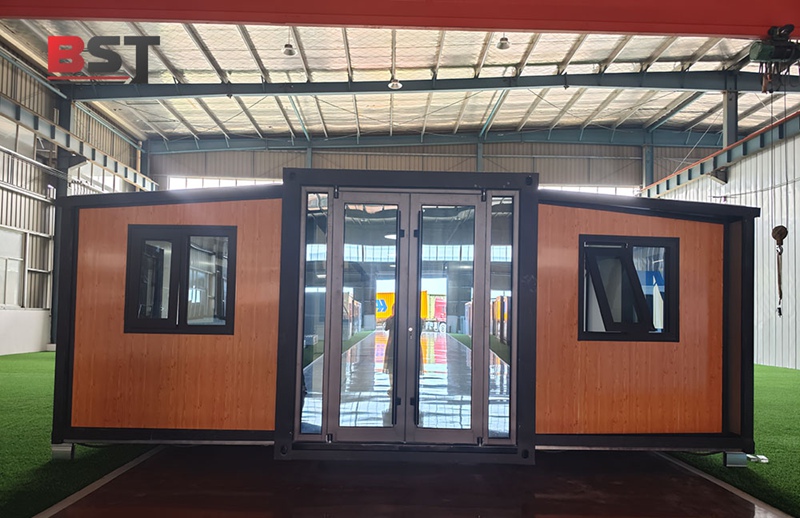
Reputable manufacturers (like BST) often provide:
-
Structural calculations
-
Material specifications
-
Export-ready documentation
This can significantly reduce approval headaches.
👉 Internal link suggestion:
See How Much Does an Expandable Container Home Really Cost in Australia? to understand approval-related expenses.