Skip to content
Modern educational buildings must meet far more than basic functional needs. Today’s schools, universities, and training centers require flexible layouts, fast construction, sustainability, and long-term operational efficiency.
Steel structure educational buildings have become the preferred solution for meeting these demands, offering adaptability, durability, and environmental performance that traditional construction methods struggle to match.
Goals and Requirements of Modern Educational Buildings
Modern educational architecture prioritizes both learning quality and lifecycle efficiency. Key requirements include:
-
High acoustic performance for classrooms and lecture halls
-
Thermal comfort and effective ventilation systems
-
Flexible spatial layouts that adapt to evolving teaching models
-
Easy maintenance and future upgrades
-
Fast-track construction to meet academic schedules
Steel structures support all these goals while enabling efficient planning and reduced construction risk.
Why Steel Structures Excel in Educational Construction
Steel structures directly address the core challenges of school construction:
-
Prefabricated steel components significantly shorten project timelines
-
Reduced on-site noise and dust, ideal for active campuses
-
Consistent factory-controlled quality
-
Lower material waste and improved sustainability
These advantages make steel structure school buildings especially suitable for urban campuses, expansions, and phased construction projects.
Key Advantages of Steel Structures in Educational Buildings
1. Fast Construction Speed
Prefabricated steel framing allows rapid assembly, helping projects align with academic calendars and tight deadlines.
2. Design Flexibility
Long-span steel beams create column-free spaces, while lightweight partitions enable future reconfiguration.
3. Enhanced Safety
Factory fabrication minimizes on-site hazards, especially important near operating schools.
4. Reduced Foundation Load
Steel’s lighter weight lowers foundation costs and reduces environmental impact.
5. Modern Architectural Aesthetics
Slim steel frames and tubular sections deliver clean, contemporary campus designs.
6. Minimal Site Disruption
Modular steel construction reduces noise, vibration, and waste.
7. Low Maintenance
Corrosion-resistant steel surfaces require less long-term upkeep.
8. Acoustic Performance
Steel assemblies can be customized to meet strict sound insulation requirements.
9. Sustainability
Steel is recyclable, reusable, and aligned with green building certifications.
Types of Modern Educational Buildings Using Steel Structures
Steel structures are widely applied across all education levels:
By Educational Stage
-
Preschools and kindergartens
-
Elementary schools
-
Middle and high schools
-
Universities and colleges
-
Vocational and technical schools
-
International schools
By Functional Facility
-
Libraries
-
Laboratories and research centers
-
Sports halls and gymnasiums
-
Student dormitories
-
Arts and performance centers
Common Steel Structure Designs for Educational Buildings
1. Single-Story & Low-Rise School Buildings
Ideal for primary education facilities:
-
Light steel framing systems for fast expansions or rooftop additions
-
Steel beam + precast slab systems for 1–3 story classroom buildings
2. Mid-Rise Educational Buildings
Common in secondary schools and colleges:
-
Composite floor systems spanning 9–12 meters
-
Shallow floor steel systems maximizing ceiling height and usable space
3. High-Rise Educational Buildings
Used in universities and research institutions:
-
Long-span steel beams for auditoriums and sports halls
-
Steel frames combined with precast wall panels for fast-track construction
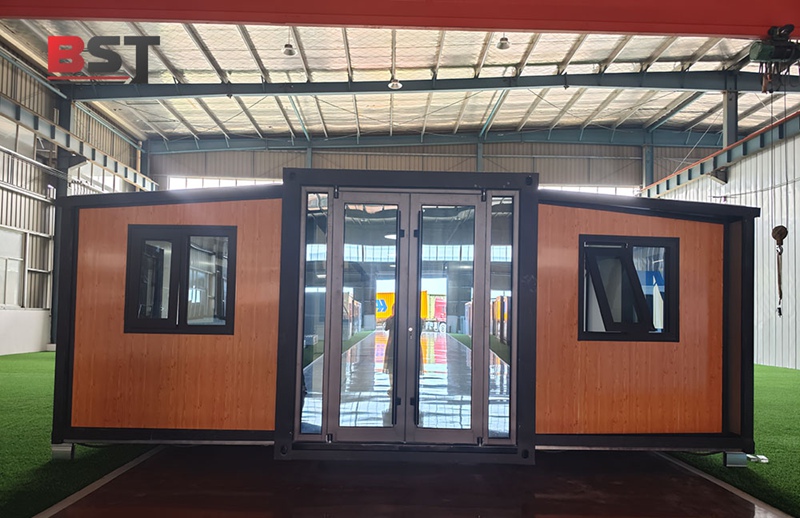
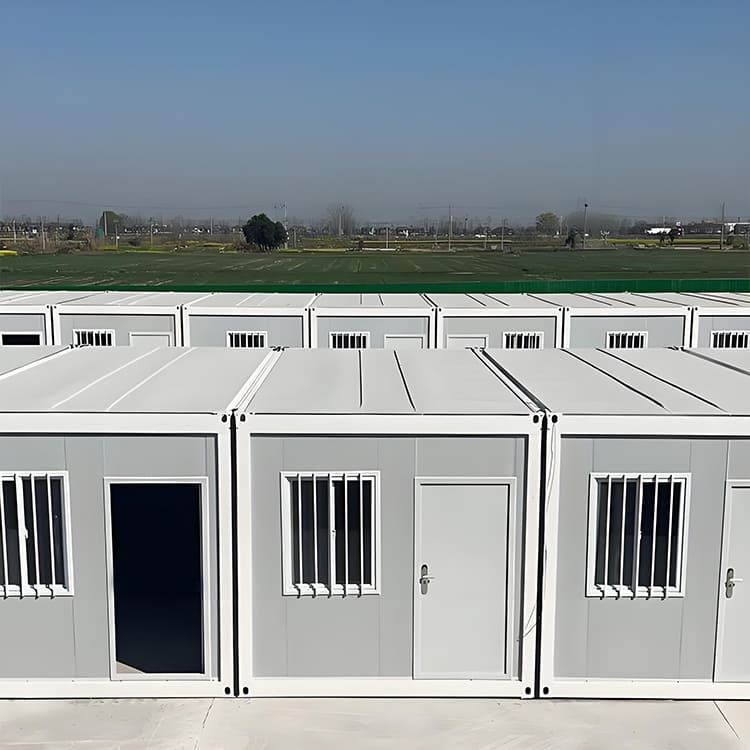
4. Modular Steel Construction
A highly efficient solution for rapid school delivery:
-
Prefabricated classrooms and dormitories
-
Fully finished modules with HVAC, lighting, and windows
-
Minimal campus disruption during installation
5. Braced Steel Frame Systems
Used in lecture halls and seismic zones:
-
Integrated steel bracing for structural stability
-
Moment-resisting frames for open, glass-rich designs
Key Design Requirements for Educational Buildings
Flexibility & Adaptability
Steel enables open layouts and movable partitions for multipurpose learning spaces.
Accessibility & Inclusivity
Steel structures support barrier-free design, wide corridors, and sensory-friendly environments.
Safety & Security
Multiple evacuation routes, fire-rated stairwells, and controlled access points are easily integrated.
Healthy Learning Environments
-
Optimized ventilation (natural + mechanical)
-
Abundant daylight with glare control
-
Stable thermal comfort (20–22°C)
Acoustic Performance
Steel-compatible acoustic panels and soundproof assemblies ensure distraction-free classrooms.
Sustainability & Energy Efficiency in Steel School Buildings
Steel structure educational buildings are inherently sustainable:
Steel’s Sustainability Advantages
-
100% recyclable material
-
Reduced construction waste through prefabrication
-
Lower carbon footprint compared to traditional concrete
-
Easy future expansion and adaptive reuse
Compliance with Global Green Standards
Steel schools support certification systems such as:
-
LEED (USA)
-
BREEAM (UK & EU)
-
Green Star (Australia)
-
Green Mark (Singapore)
Fire Safety and Service Integration
Steel structures enhance safety and long-term operation:
-
Fire-resistant coatings extend structural stability
-
Easy integration of sprinklers, detectors, and fire doors
-
Open steel frames allow efficient routing of electrical, plumbing, and HVAC systems
The Future of Educational Buildings: Why Steel Leads
From kindergartens to research campuses, steel structure educational buildings offer:
-
Faster project delivery
-
Lower lifecycle costs
-
Compliance with sustainability regulations
-
Resilience against climate and environmental challenges
Steel is no longer just a construction material—it is the foundation of modern, flexible, and eco-smart education infrastructure.
Conclusion
Steel structure educational buildings provide the ideal balance of speed, flexibility, safety, and sustainability required by modern education systems. With modular design, low maintenance, and green performance, steel construction is shaping the future of schools and universities worldwide.