Skip to content
Expandable Houses Explained: 5 Key Questions Answered
As the pace of modern life accelerates and the demand for residential flexibility continues to grow, expandable houses are steadily gaining public attention. This innovative housing solution offers adaptable living spaces designed to meet changing lifestyle, family, and business needs.
However, many people still have important questions before considering an expandable home. In this article, we take a closer look at five of the most frequently discussed questions about expandable houses, providing clear and practical answers to help you better understand this emerging trend in flexible living.
Question 1: How Cost-Effective Is an Expandable House?
Are expandable houses really cheaper than traditional homes?
One of the first factors buyers consider is affordability. Compared with traditional site-built homes, the initial investment for an expandable house is generally lower. This is largely due to its factory-prefabricated construction model.
Most structural and interior work is completed in controlled factory environments, which significantly reduces:
-
On-site labor costs
-
Construction time
-
Material waste
In addition, bulk purchasing of standardized materials often lowers production costs.
That said, buyers should also account for additional expenses, such as:
-
Transportation costs
-
Foundation preparation
-
Utility connections (water, electricity, sewage)
These costs can vary depending on the house size, transportation distance, and site conditions.
Does an expandable home save money long term?
Energy efficiency plays an important role in long-term operating costs. A well-built expandable house typically features:
-
High-quality insulation
-
Efficient wall and roof systems
This helps reduce energy consumption for heating and cooling, resulting in lower utility bills throughout the year.
Maintenance requirements are generally similar to conventional homes and depend mainly on material quality and routine care. While long-term resale value is still being evaluated due to the market’s relative novelty, mobility and flexibility may enhance value in specific use cases, such as temporary housing, remote sites, or commercial applications.
Overall value for money
Expandable houses offer excellent value for buyers seeking fast, flexible, and cost-conscious space solutions. Whether used as a temporary residence, vacation home, guest unit, or functional extension, their adaptability makes them a strong investment for targeted needs.
Question 2: Is the Space Truly Flexible?
One of the biggest advantages of an expandable house is its ability to adapt to changing space requirements.
How does the expansion mechanism work?
Expandable homes typically use one of the following systems:
-
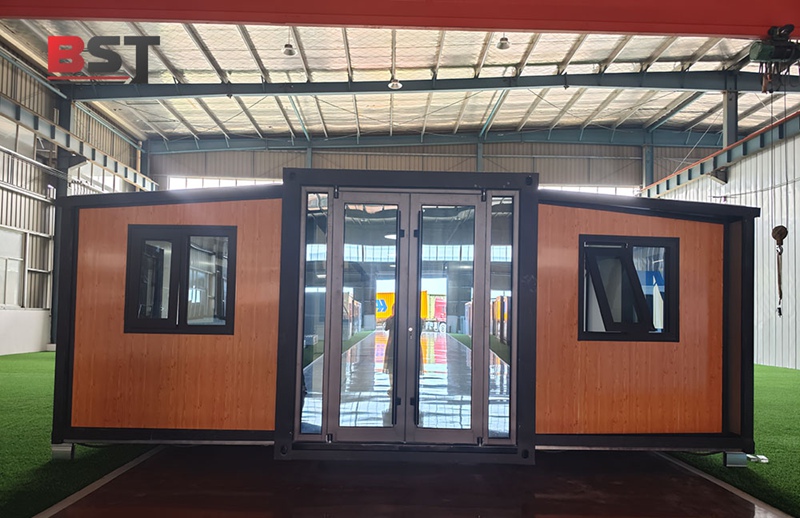
Folding expandable houses
Compact during transport and unfolded on-site to create a larger living area. -
Slide-out expandable houses
Walls or rooms slide outward, similar to a drawer, increasing interior space. -
Modular expandable houses
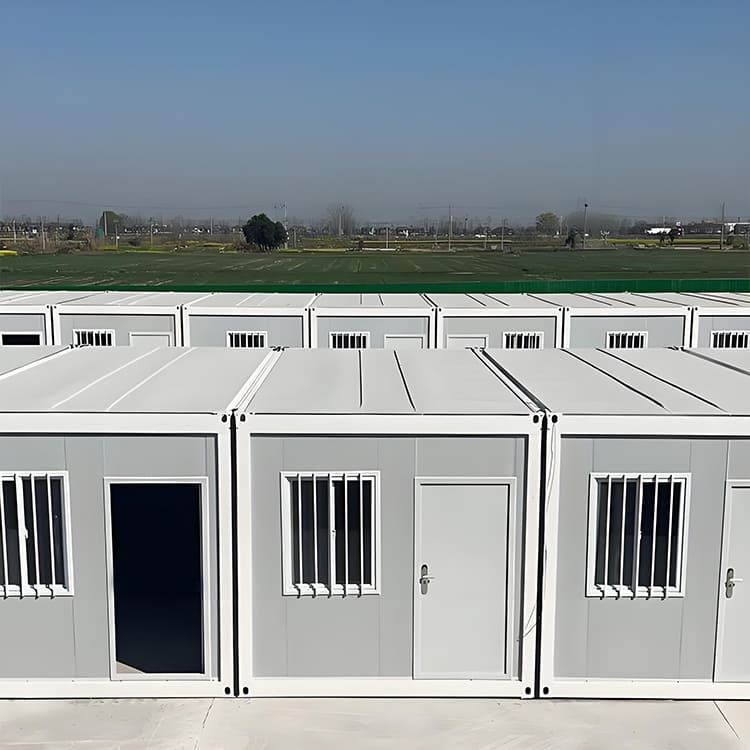
Multiple prefabricated modules are assembled on-site to add rooms or functions.
These systems are designed for ease of operation, safety, and reliability, and are usually installed by professional teams.

Can the interior layout be customized?
Although the core structure is prefabricated, most manufacturers offer a degree of interior customization, including:
-
Kitchens
-
Bathrooms
-
Bedrooms
-
Functional zoning
This allows homeowners to tailor layouts for personal living, aesthetic preferences, or commercial uses such as offices or retail spaces.
Uses beyond residential living
Expandable houses are suitable for a wide range of applications, including:
-
Guest rooms or family extensions
-
Home offices or studios
-
Vacation cabins or camping units
-
Small shops or cafés
-
Emergency shelters or disaster relief housing
Their versatility makes them ideal for evolving lifestyles, remote work trends, and changing business models.
Question 3: How Fast Is Construction and Installation?
How quickly can an expandable home be built?
Most construction takes place in a factory, offering several advantages:
-
Production unaffected by weather
-
Consistent quality through standardized processes
-
Reduced on-site construction time
This significantly shortens the overall project timeline.
Is installation simple?
Once delivered, the main structure is typically assembled within days or even hours, depending on the design. On-site tasks generally include:
-
Lifting and securing modules
-
Connecting utilities
-
Completing interior finishes
However, the site must be level and accessible to accommodate transport vehicles and lifting equipment.
For BST expandable homes, the typical lead time from order to occupancy ranges from 3 weeks to 2 months, much faster than traditional construction. The exact timeline depends on:
-
Standard vs. custom designs
-
Transportation distance
-
Local approvals and foundation preparation

Question 4: Are Expandable Homes Durable and Safe?
Can expandable homes withstand harsh weather?
High-quality expandable houses are built using high-strength steel structures with anti-corrosion treatment. They are designed to meet key performance standards, including:
-
Wind resistance
-
Seismic resistance
-
Fire resistance
Choosing a reputable manufacturer ensures compliance with relevant building codes.
What is the living experience like?
Professional manufacturers focus on comfort through:
-
Advanced joint sealing for waterproofing
-
Proper roof drainage design
-
High-performance insulation materials such as polyurethane or rock wool
These features help maintain stable indoor temperatures and reduce energy consumption, making expandable homes suitable for various climates.
Are they safe and healthy to live in?
Modern expandable homes often use environmentally friendly materials, minimizing harmful adhesives and chemicals. Proper ventilation design helps prevent moisture buildup and mold growth.
Buyers should always verify material sources and environmental certifications.
Question 5: How Do Regulations and Permits Work?
Are permits complicated?
Regulations vary widely by region. Some areas have clear policies, while others classify expandable homes under existing building categories. Common considerations include:
-
Land zoning compliance
-
Building code requirements
-
Fire safety regulations
Typical permit process
The permit process may involve:
-
Pre-consultation with local authorities
-
Submission of design drawings
-
Site surveys
-
Approval waiting period
-
Construction inspections
Patience and preparation are essential, especially in regions unfamiliar with this building type.
Who should you consult?
For smooth approval:
-
Contact local planning or building departments
-
Consult architects or legal advisors if needed
-
Work with experienced suppliers who understand local regulations
Proper research before purchase ensures legal compliance and avoids delays.
Summary
Expandable houses represent a practical and forward-thinking solution for modern living. With advantages in cost efficiency, flexible space design, rapid construction, durability, and adaptable usage, they are well suited for residential, commercial, and temporary applications. While regulations may vary by region, careful planning and professional guidance can make expandable homes a reliable and valuable investment in flexible housing.