Skip to content
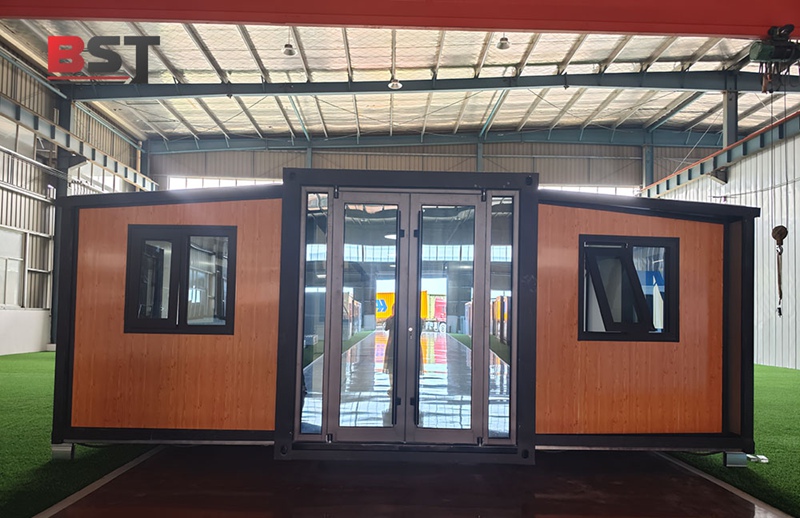
From an engineering perspective, the safety of a foldable container house depends not on its appearance, but on how loads are transferred after deployment.
A common misunderstanding is assuming that folding joints remain “movable” during use. In reality, once unfolded and locked, the structure functions as a fixed steel-frame system.
Load-Bearing Logic After Deployment
In its operational state:
-
Roof loads are distributed through beams and columns
-
Lateral wind forces are transferred to the ground via vertical members
-
Folding nodes act as locked structural joints, not hinges
This means structural behavior is comparable to conventional modular steel buildings.
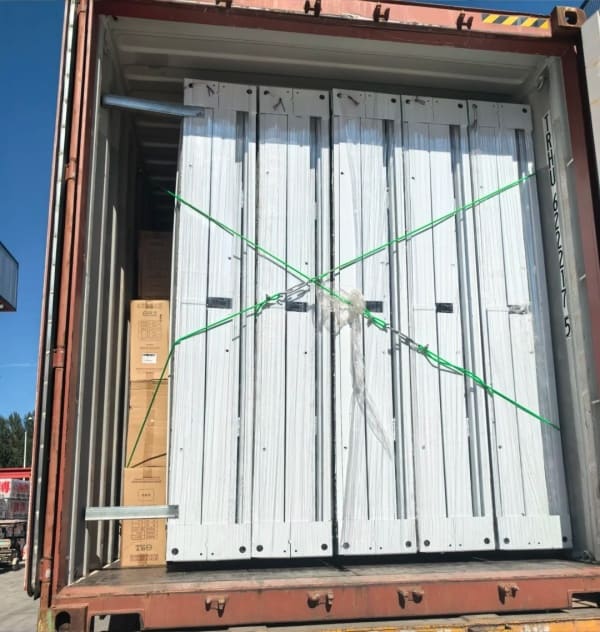
Steel Grades and Material Performance
Most mature foldable container houses use:
-
Q235B or Q345 structural steel
-
Proven sandwich panel enclosure systems
These materials provide predictable yield strength, ductility, and fatigue resistance—critical for repeated transportation and long-term outdoor use.
Fire-rated rock wool panels and high-performance PU insulation further improve safety by stabilizing thermal behavior and reducing fire risk.
Engineering Conclusion
From a technical standpoint, folding does not weaken structural integrity when joint design, steel grade selection, and locking systems follow proper engineering standards. The safety threshold is defined by design discipline—not by whether the building folds.