Skip to content
Can Capsule Houses Really Have Two Floors?
Two-storey capsule houses are becoming increasingly popular as land becomes limited and smart living grows in demand. By stacking modules or creating loft-style upper levels, these homes offer more space, better views, and modern comfort without expanding the footprint.
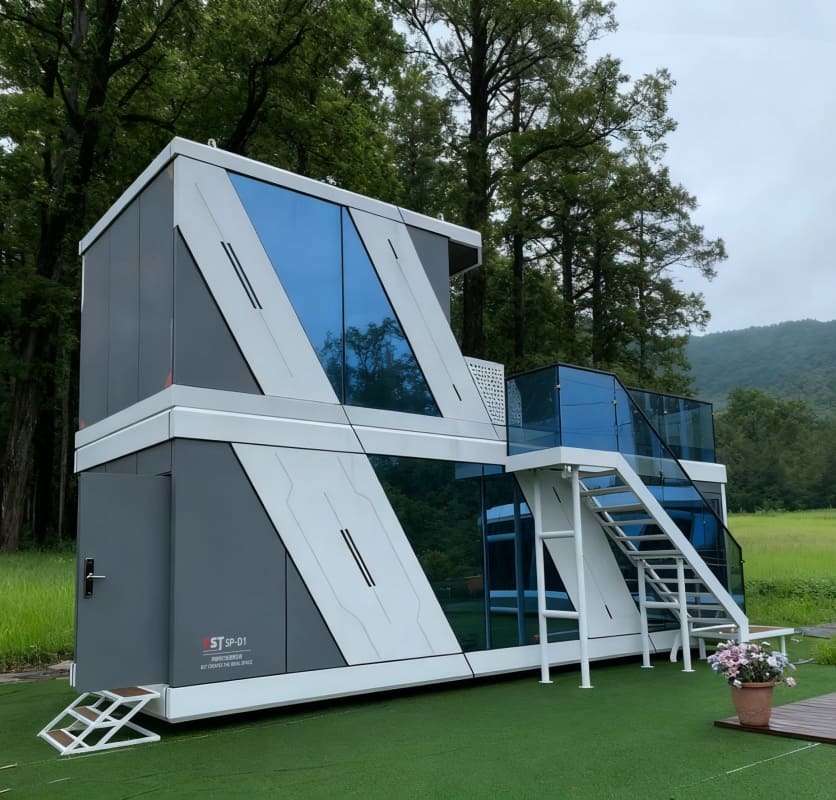
What Is a Two-Storey Capsule House?
A two-storey capsule house is a compact, modular home with two levels. Common configurations include:
-
Stacked Modules: One complete capsule unit is placed on top of another, creating full upper-floor living space.
-
Loft-Style Upper Level: A partial upper floor used as a bedroom, office, or viewpoint, keeping the structure light and flexible.
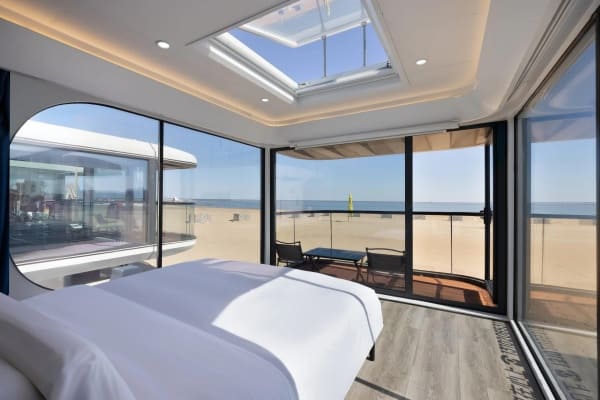
Popular Uses:
-
Resorts and glamping sites
-
Lakefront or hillside rentals
-
Compact private homes
-
Scenic cabins
Structural Safety in Two-Storey Capsule Houses
Safety is essential when adding a second floor. Key considerations include:
-
Strong Frame: Steel or aluminum frames support upper-floor weight.
-
Secure Connections: Brackets, plates, and lateral bracing prevent shaking or collapse.
-
Strong Foundation: Concrete slabs, reinforced piers, or ground screws ensure stability.
-
Avoid DIY Stacking: Professional installation ensures code compliance and long-term safety.
Height Limits & Regulations
Two-storey capsule houses must comply with local rules:
-
Common Height Limits: Typically 5–5.5 meters for small modular homes.
-
Ceiling & Stair Rules: Minimum ceiling heights, stair dimensions, railings, and fire safety systems are required.
-
Zoning Differences: Tiny homes, modular homes, or resort lodging may have different regulations.
-
Permits & Approvals: Structural drawings, fire compliance, and site inspections are necessary before construction.
Recommended Layouts
1. Resort & Rental Spaces:
Lower floor: living area + bathroom
Upper floor: bedroom, panoramic window, or small deck
2. Family Layouts:
Lower floor: kitchen, dining, shared living
Upper floor: one or two compact bedrooms
3. Mixed Use:
Lower floor: workspace or studio
Upper floor: bedroom for longer stays
Privacy & Movement: Internal stairs for families; external stairs for resorts, maintaining privacy and comfort.
Cost Expectations
1. Base Cost of Modules: Price varies by size, materials, and finish; two-storey units need extra reinforcement.
2. Structural & Installation Costs: Steel/aluminum frames, connection plates, crane assembly add to cost.
3. Foundation & Site Work: Concrete slabs, piers, or ground screws depending on soil and home weight.
4. Utilities & Interior Finishes: Plumbing, electrical, HVAC, flooring, kitchen/bath fixtures.
5. Typical Price Range: Higher than single-story units due to materials, engineering, permits, and installation.
6. Key Cost Factors: Insulation, window size, glazing, interior complexity, local code compliance.
When to Choose a Double-Storey Capsule House
-
Limited Land Area: Maximize usable space vertically.
-
Better Views: Upper floors provide natural landscape, lake, or hill views.
-
Premium Units in Resorts: Upper floors with balconies increase rental value.
When Single-Storey May Be Better: Full accessibility, low wind, open land, or simpler maintenance may favor single-story designs.
Questions to Ask Your Manufacturer
-
Structural drawings and recommended foundation
-
Installation method and crane requirements
-
Weather ratings and safety certifications
-
Customization options for layout and finishes
Conclusion
Two-storey capsule houses provide an innovative solution for limited land and modern lifestyles. By combining vertical design, safety standards, efficient layouts, and flexible uses, they offer more space, panoramic views, and premium comfort without enlarging the footprint. Proper planning, professional installation, and understanding regulations ensure these homes are safe, functional, and stylish.