Skip to content
While container homes are known for affordability, some costs are often overlooked. Being aware of these expenses helps you plan a more accurate total investment.
1. Insulation & Climate Control
Shipping containers are made of steel, which conducts heat and cold easily. Proper insulation is essential to maintain comfort and energy efficiency.
-
Spray foam insulation
-
Fiber insulation
-
Additional HVAC setup
Estimated range: $1,500–$6,000 depending on climate
2. Structural Reinforcement
Cutting large openings for doors and windows weakens the structural integrity of the container. Reinforcement beams may be needed.
Estimated cost: $800–$3,500
3. Transportation & Crane Fee
Getting the container delivered to your property requires specialized trucks and sometimes a crane for placement.
-
Local moves: $500–$1,200
-
Long-distance delivery: $2,000–$6,000
-
Crane service: $250–$500/hour

4. Plumbing & Electrical Systems
Container homes need full residential systems installed, including:
-
Waterproof plumbing
-
Electrical wiring
-
Fuse box & outlets
-
Sewer or septic connection
Cost range: $3,500–$10,000+
5. Permit & Inspection Fees
Some local governments require:
-
Building permits
-
Zoning approval
-
Utility connection inspection
Fees vary widely depending on region.
Container Home Price Examples (Realistic Market Guide)
Example 1: Entry-Level Container Home
Cost: $18,000–$30,000
Includes:
-
One 20ft or 40ft container
-
Basic insulation
-
Simple interior finishing
-
Basic bathroom
-
Standard windows and door
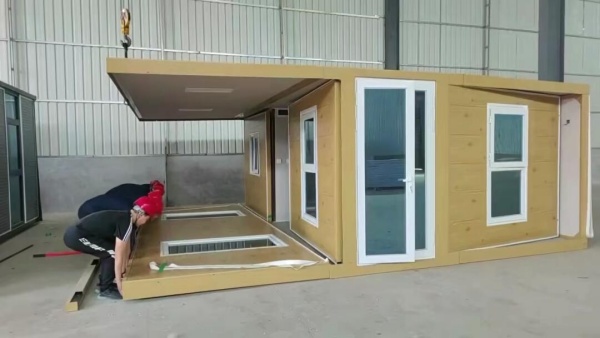
Example 2: Mid-Level Family Container Home
Cost: $45,000–$85,000
Includes:
-
1–2 containers combined
-
Full interior rooms
-
Kitchen & bathroom
-
Electrical + plumbing
-
Upgraded flooring and insulation
Example 3: Premium Multi-Container Modular Home
Cost: $120,000–$250,000+
Includes:
-
3–6 containers
-
Architectural design
-
High-end materials
-
Smart home system
-
Full landscaping and decking
How to Reduce the Total Cost of a Container Home
Even with rising material and labor prices, you can control your budget with smart planning.
1. Choose Standard Sizes (20ft / 40ft)
Custom-sized containers significantly increase cost.
2. Keep Openings Minimal
Too many windows or large cutouts require expensive reinforcement.
3. Buy from a Manufacturer, Not a Middleman
Direct factory purchase lowers cost by 15–30%.
4. Use Local Contractors
Long-distance labor and travel fees can increase the budget dramatically.
5. Plan Utilities Early
Poor planning may lead to rework costs later.
Is a Container Home Worth the Investment?
A well-designed container home can offer:
-
Lower construction cost
-
Faster build time
-
Strong steel structure
-
Modern aesthetic
-
Flexibility for expansion
However, the true value depends on:
-
Quality of build
-
Local permit requirements
-
Climate conditions
-
Total finishing cost
Conclusion
Container homes remain one of the most affordable and flexible housing solutions in 2025, but actual costs vary based on design, location, and finishing. By understanding base prices and hidden expenses—such as insulation, reinforcement, transportation, and utilities—you can plan a realistic budget and build a high-quality home without unexpected surprises. Whether you want a starter unit or a multi-container luxury home, smart planning ensures the best value from your investment.