Skip to content
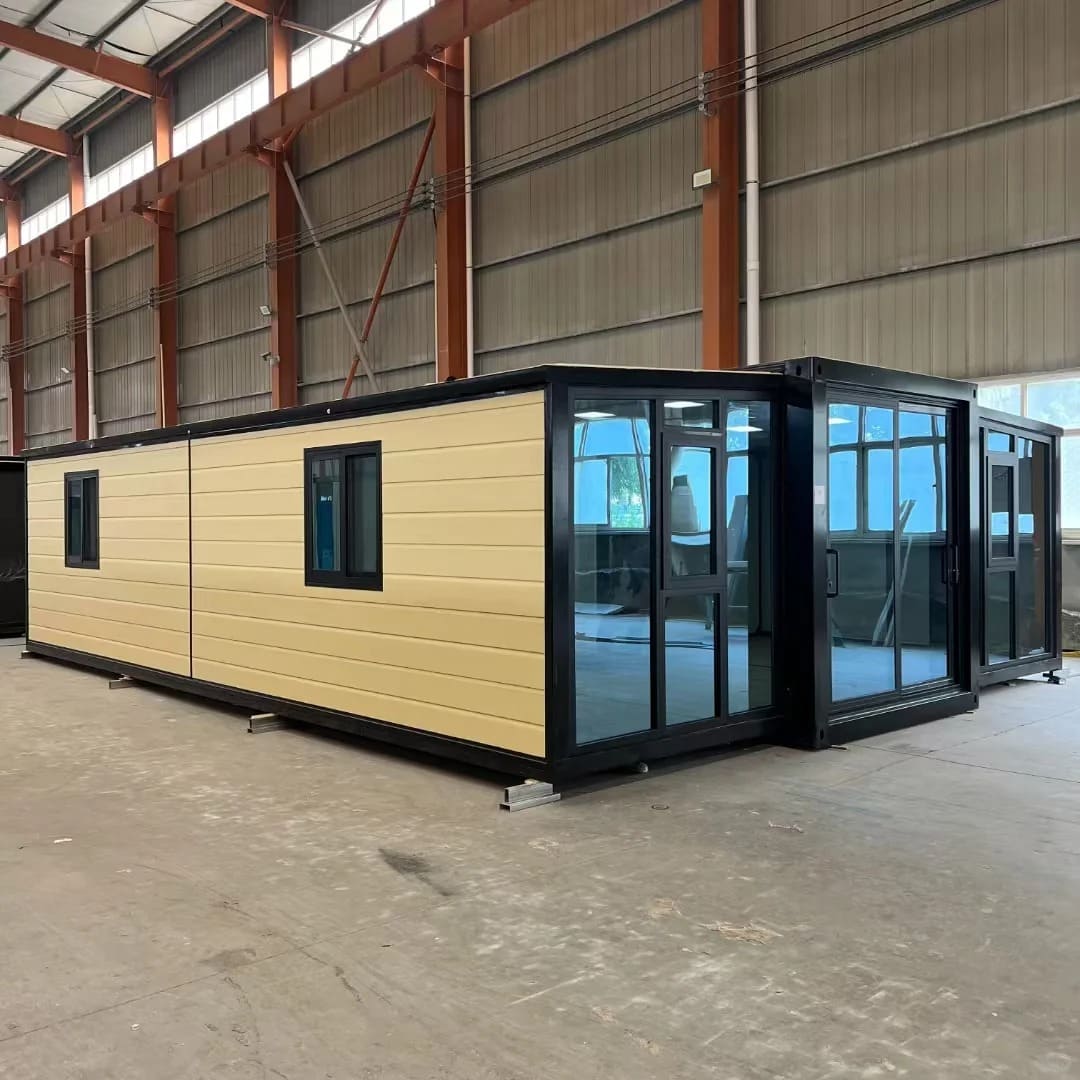
Container homes have rapidly become a global trend—from minimalistic cabins to luxury modular villas. Their affordability, modern aesthetic, and fast construction make them appealing to homeowners, investors, and developers.
But the key question remains:
Are container homes truly worth it?
This guide breaks down the advantages, disadvantages, long-term value, maintenance costs, and everything you need to know before investing.
What Makes Container Homes Attractive?
1. Cost Savings and Financial Flexibility
Container homes often cost 20–40% less than many traditional houses, depending on configuration. Entry-level units start at around $10,000–$35,000, while mid-range homes average $35,000–$150,000.
This affordability makes container homes ideal for:
-
First-time homeowners
-
Young families
-
Airbnb/short-term rental hosts
-
Remote worker cabins
-
Budget-friendly vacation homes
Even high-end multi-container homes, though pricier, offer great design flexibility and faster build times.
2. Fast Construction and Predictable Timelines
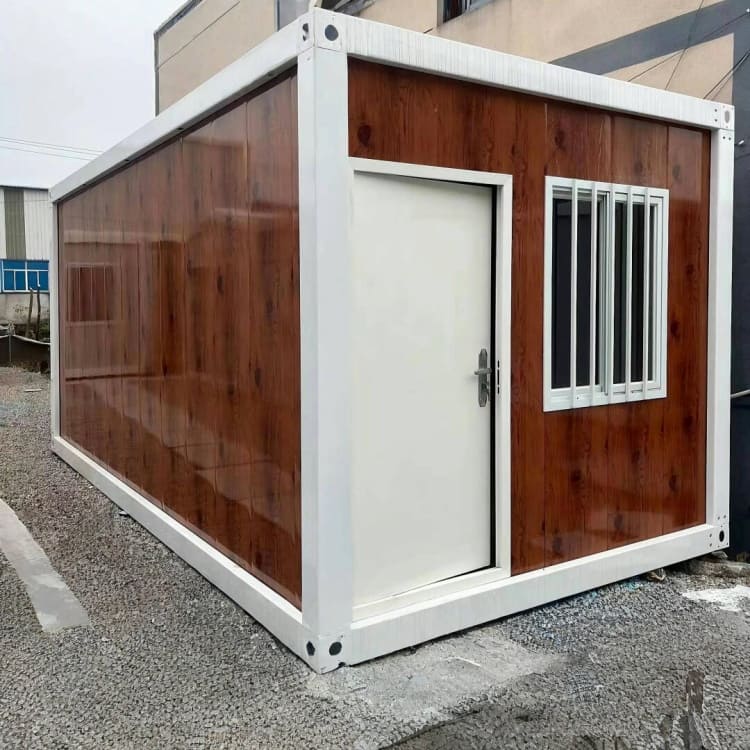
Unlike traditional construction that can take 6–18 months, container homes can be built in 4–12 weeks depending on design complexity.
Because most work is completed in the factory, delays caused by weather, labor shortages, or seasonal restrictions are minimized.
This predictable timeline is a major advantage for commercial uses such as:
-
Airbnb resorts
-
Homestay villages
-
Coffee shops
-
Office studios
-
Camps and tourism projects
3. Environmentally Friendly and Low Waste
Reusing steel containers reduces waste and lowers the environmental footprint compared to traditional concrete structures.
Additionally, container home production involves:
-
Less energy usage
-
Lower material consumption
-
More efficient construction practices
For eco-conscious homeowners, this makes container homes a sustainable alternative.
4. Strong, Durable Steel Structure
Shipping containers are originally designed to withstand:
-
Heavy loads
-
Harsh weather
-
Marine transportation
-
Salt corrosion
-
Long-distance shipping
This built-in toughness makes them a durable base for housing structures, especially when reinforced and properly insulated.
Challenges and Drawbacks of Container Homes
While container homes offer many benefits, they also come with considerations you should understand before investing.
1. Insulation Requires Proper Design
Metal conducts heat quickly.
Without proper insulation, a container can become:
-
Extremely hot in summer
-
Very cold in winter
This requires:
-
Spray foam
-
Rock wool
-
Composite panels
…which will add to your cost.
For long-term comfort, proper insulation is essential—not optional.
2. Structural Cutting Requires Reinforcement
Every time you cut a window or door opening, the container’s structural integrity changes.
Large openings or floor-to-ceiling windows require:
-
Steel framing
-
Welding
-
Reinforcement beams
This adds both time and cost but is necessary for safety.
3. Local Permits and Building Codes May Vary
Some regions treat container homes differently from traditional houses.
Common approval requirements may include:
-
Structural engineering reports
-
Foundation plans
-
Fire resistance upgrades
-
Energy efficiency compliance
Working with experienced container home companies helps avoid delays.
4. Long-Term Maintenance
Although steel is durable, it still requires:
-
Anti-corrosion coatings
-
Waterproofing
-
Rust prevention
-
Paint touch-ups every few years
Proper maintenance ensures your home lasts 25–50+ years.
Long-Term Value of Container Homes
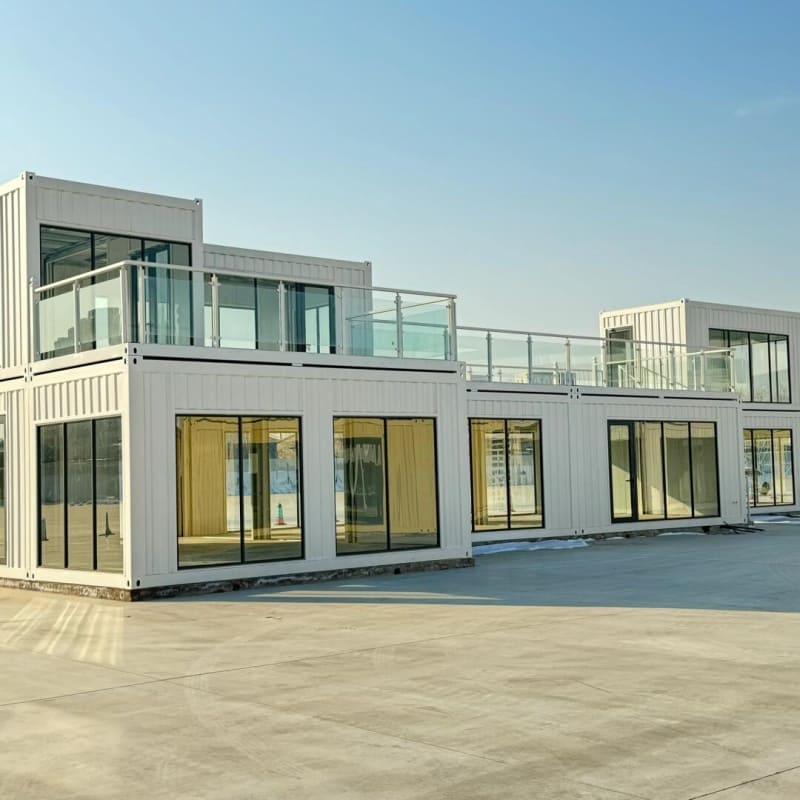
Container homes can offer excellent long-term value when built properly.
They excel in:
✔ Lower upfront investment
✔ Lower long-term operating costs
✔ High flexibility in design
✔ Multi-purpose use (residential + commercial)
✔ Strong resale value in many markets
✔ Short-term rental profitability (Airbnb/Glamping)
Especially for businesses or rental properties, container homes provide quick ROI due to low setup costs and fast deployment.
When Are Container Homes the Best Choice?
You should consider a container home if you want:
-
A fast, affordable home
-
A stylish, modern appearance
-
A flexible building that can expand
-
A small home or guesthouse
-
A commercial unit (café, office, showroom, Airbnb)
-
A second home or vacation cabin
-
A studio, workshop, or retreat space
Container homes are particularly ideal for:
-
Scenic areas
-
Mountain and forest locations
-
Beachfront resorts
-
Urban micro-housing
-
Remote land with limited infrastructure
When Container Homes May NOT Be Ideal
-
You want a very large traditional-style home
-
Your local zoning laws restrict modular buildings
-
You dislike industrial aesthetics
-
The climate is extremely cold or extremely hot without proper insulation
-
You expect low maintenance (steel requires upkeep)
Conclusion
Container homes offer a unique blend of affordability, speed, durability, and modern design. They are worth the investment for many people—especially those seeking flexible, stylish, and eco-friendly housing solutions.
While challenges like insulation, permitting, and reinforcement add costs, a well-planned container home can provide excellent long-term value for residential or commercial use.
If built by an experienced modular construction team, container homes can be both a beautiful living space and a smart investment.