Skip to content
Introduction: Why Prefab Cabins Are Becoming the Future of Small Housing
Over the past decade, prefab cabins have rapidly transformed from niche structures into mainstream housing solutions for homeowners, land developers, Airbnb hosts, and eco-resort operators. As global construction costs continue to climb, and as more people desire faster, customizable, and eco-friendly living spaces, prefab cabins have risen as one of the most practical alternatives to traditional brick-and-mortar buildings.
However, not all prefab cabins are created equal.
Some last 20–50 years, maintain excellent insulation, and remain stable even in harsh climates. Others develop leaks within a year, rust prematurely, or fail transport stress, leading to expensive repairs.
This comprehensive guide—updated for 2025—will walk you through everything you need to know before investing in a prefab cabin. You’ll learn how to identify real quality, which materials matter most, which engineering details actually affect lifespan, and how to choose a trustworthy manufacturer.
Whether you’re buying a prefab cabin for vacation rentals, personal use, a small office, a nature retreat, or a commercial glamping project, this guide will help you make the right decision.
1. Understanding What “High Quality” Means in Prefab Cabins
Before diving into materials and construction details, it’s important to define what “high quality” means in the world of prefab construction.
A high-quality prefab cabin should provide:
- Long-term structural stability
- Excellent insulation performance
- Protection from wind, rain, UV, and corrosion
- Energy-efficient windows and doors
- Low maintenance over 10–20 years
- Comfortable year-round living conditions
- Compliance with international safety standards
- Quick and safe transport and on-site installation
- Strong after-sales warranty and support
These standards separate a long-lasting prefab structure from a temporary shelter.

2. The Role of a Strong Structural Frame (Core of Durability)
At the heart of every reliable prefab cabin is a solid structural frame. The frame determines how the cabin handles transportation, environmental stress, seasonal temperature fluctuations, and long-term use.
2.1 Frame Materials: Steel vs. Timber
Galvanized Steel Frame:
- Best for long-term durability
- Resistant to insects and rot
- High load-bearing capacity
- Ideal for shipping and transport
- Longer lifespan in humid or coastal areas
High-Grade Timber Frame:
- Warmer appearance and natural aesthetic
- Excellent thermal performance
- Requires anti-termite and anti-moisture treatment
- Suitable for mild climates
2.2 Required Strength Standards
A well-built cabin should meet:
- Wind resistance ≥ 0.60 kN/m²
- Snow load ≥ 0.50 kN/m²
- Anti-rust treatment (hot-dip galvanization preferred)
- High-precision welding or bolted connections
2.3 Why the Frame Matters More Than Any Other Component
If the frame fails, the entire structure fails.
A weak frame causes:
- Wall deformation
- Roof sinking
- Door/window misalignment
- Leaks
- Safety hazards
Investing in a strong frame ensures decades of structural integrity.
3. Wall Insulation: The Key to Comfort & Energy Efficiency
Insulation is one of the most critical components of prefab cabin design. It affects heating/cooling costs, comfort levels, interior humidity, and overall lifespan.
3.1 Best Insulation Materials
PU/PIR Insulation Panels
- Highest thermal performance
- Lightweight
- Excellent moisture resistance
- Ideal for all climates
Rock Wool Insulation
- Best fire resistance
- Strong acoustic absorption
- Suitable for commercial projects
3.2 Recommended Thickness
- Walls: 80–100 mm
- Roof: 120 mm or thicker
- Floor: 50–70 mm insulation layer
3.3 Why Insulation Is More Important Than Wall Thickness
People often think thicker walls equal better performance—but insulation quality matters far more.
Good insulation reduces:
- Electricity/AC consumption
- Indoor condensation
- Mold and moisture problems
- Temperature imbalance
4. Exterior Cladding: Protecting Your Cabin from the Elements
Exterior cladding is the cabin’s armor. It protects against UV rays, heavy rain, wind, humidity, insects, temperature changes, and corrosion.
4.1 Recommended Cladding Options
Aluminum-zinc (Alu-zinc) Panels
- Lightweight and rust-resistant
- Modern aesthetic
- Low maintenance
Fiber Cement Boards
- Fire-resistant
- Excellent durability
- Natural appearance
Composite Wood-Grain Panels
- Realistic wood look
- Weather-resistant
- Suitable for luxury cabins
Weathering Steel Panels
- Rustic appearance
- Forms protective patina
- Ideal for natural retreats
4.2 Common Mistakes to Avoid
- Using thin metal sheets (<0.3 mm)
- Low-quality paint that fades in 1–2 years
- Untreated wood in wet climates
5. Windows & Doors: Insulation, Security, and Comfort
Windows and doors affect both functionality and energy efficiency.
5.1 Recommended Specifications
- Double-layer tempered glass
- Aluminum alloy frames
- EPDM sealing strips
- Thermal break systems for cold regions
5.2 Benefits of High-Quality Windows
- Reduced noise
- Better insulation
- No condensation
- Longer frame lifespan
- Improved security
5.3 Door Selection Tips
- Choose steel or solid-core doors for security
- Look for multi-lock systems for Airbnb use
6. Roofing: Your Cabin’s First Line of Defense
A durable roofing system protects the entire cabin.
6.1 Essential Roofing Layers
- Waterproof membrane
- Insulation layer
- Anti-rust steel panels
- Roof drainage system
6.2 Avoid Common Roof Problems
- Flat roofs without proper drainage
- Thin roofing panels
- Poor sealing around chimneys or AC units
A good roof can add 5–10 years to your cabin’s lifespan.
7. Factory Quality Control: Not All Manufacturers Are Equal
Selecting a manufacturer is just as important as selecting cabin materials.
7.1 What a Reliable Manufacturer Should Provide
- ISO-certified production
- CE-certified materials
- Engineering drawings
- Load calculation reports
- Pre-assembly before shipping
- Strict QC inspection at each stage
7.2 Why Factory QC Matters More Than On-Site Construction
Prefab construction removes on-site risks like:
- Weather delays
- Poor workmanship
- Material inconsistencies
- Unpredictable labor
This ensures consistent quality for every unit.
8. Transport & Installation: Efficiency and Safety
A high-quality prefab cabin should be easy to transport and simple to install.
8.1 Transport Requirements
- Reinforced steel frame
- Impact-resistant structure
- Secure anchoring points
- Proper packaging to avoid scratches
8.2 Installation Should Take Hours, Not Weeks
Most well-designed prefab cabins can be installed within:
- 4–8 hours for single modules
- 1–2 days for larger models
A complete installation package should include:
- Videos
- Manuals
- Wiring diagrams
- Plumbing layouts
9. Long-Term Warranty and After-Sales Support
A manufacturer’s support system reveals their reliability.
9.1 What Good After-Sales Looks Like
- 5–10 year structural warranty
- Quick response teams
- Spare parts availability
- Technical installation support
9.2 Why Warranty Matters
A strong warranty protects your investment and ensures peace of mind.
10. Sustainability & Environmental Impact
Prefab cabins offer a sustainable alternative to traditional housing.
10.1 Eco-Friendly Benefits
- Reduced construction waste
- Energy-efficient insulation
- Recyclable materials
- Minimal land disturbance
10.2 Off-Grid Potential
Prefab cabins can integrate:
- Solar panels
- Rainwater collection
- Composting toilets
- Energy-efficient appliances
This makes them perfect for nature retreats and remote locations.
11. Cost Breakdown: Understanding What You’re Paying For
Prefab cabin costs vary based on:
- Size
- Material quality
- Insulation grade
- Cladding type
- Customization
- Electrical & plumbing setup
11.1 Typical Price Range (Global Market)
- Basic cabins: $3,000–$12,000
- Mid-range cabins: $15,000–$30,000
- Luxury cabins: $35,000–$80,000
Understanding the cost helps avoid overpaying for low-quality models.
12. Comparing Prefab Cabins to Other Housing Types
12.1 Prefab Cabin vs. Traditional House
| Factor | Prefab Cabin | Traditional House |
|---|---|---|
| Build Time | Days | Months–Years |
| Cost | Lower | Higher |
| Waste | Minimal | High |
| Flexibility | High | Low |
| Portability | Yes | No |
| Customization | Medium–High | High |
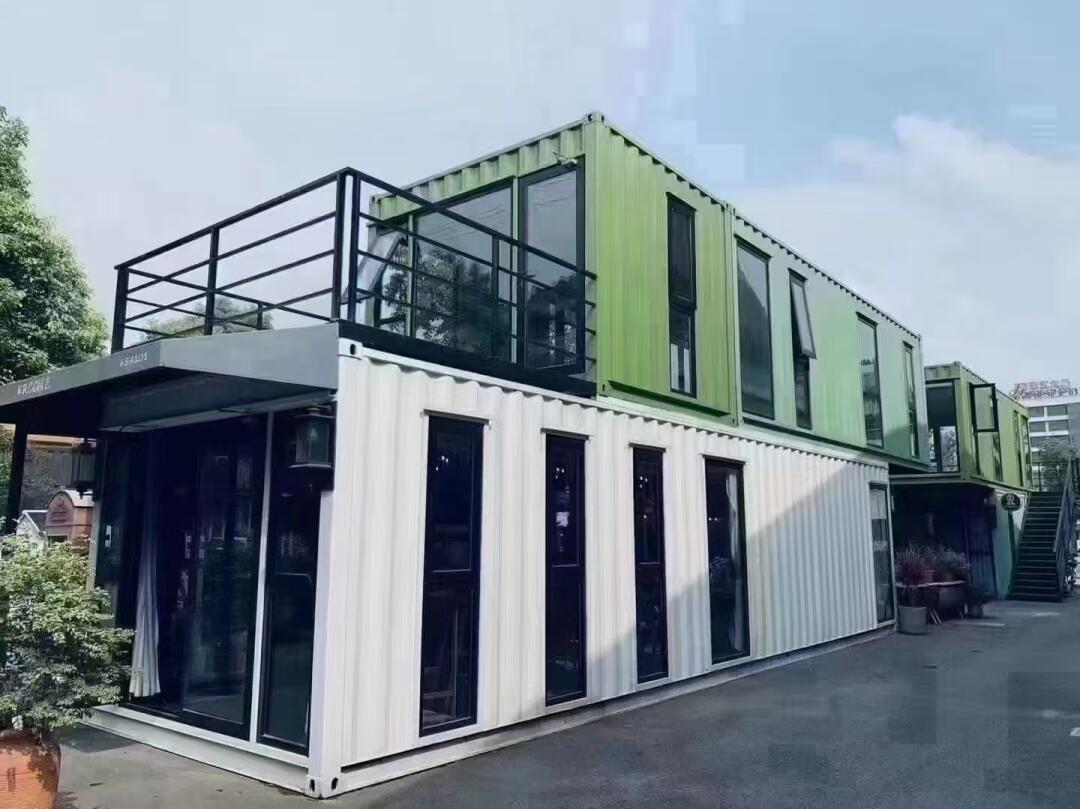
12.2 Prefab Cabin vs. Container House
- Cabins feel more natural & livable
- Container houses are more industrial and durable
- Cabins offer stronger insulation options
13. Choosing the Right Manufacturer: A Step-by-Step Guide
13.1 Step 1: Check Company Background
- Years of experience
- Export history
- Certifications
13.2 Step 2: Request Engineering Drawings
This ensures your structure is professionally designed.
13.3 Step 3: Inspect Material Samples
Check:
- Frame thickness
- Insulation density
- Cladding durability
13.4 Step 4: Ask for Factory Visit or Video Tour
Reputable manufacturers will provide transparency.
13.5 Step 5: Review Previous Project Cases
Success stories indicate capability.
13.6 Step 6: Compare After-Sales Guarantees
The best companies always offer strong warranties.
Conclusion: Invest Wisely, Build Smarter
A high-quality prefab cabin is more than a structure—it’s an investment in durability, comfort, safety, and long-term value. By understanding materials, insulation, structural standards, and manufacturer quality control, you can confidently choose a cabin that lasts decades.
In 2026 and beyond, prefab cabins are not just a trend—they are a sustainable, efficient, and intelligent way to build.