Skip to content
Prefab cabins have become one of the most popular housing solutions for personal retreats, vacation rentals, offices, homestays, and small commercial projects. But not all prefab cabins are built with the same quality.
If you want your cabin to last 20–50 years, stay comfortable in all seasons, and maintain strong resale value, you must know what “high quality” really means.
1. Strong Structural Frame (The Core of Durability)
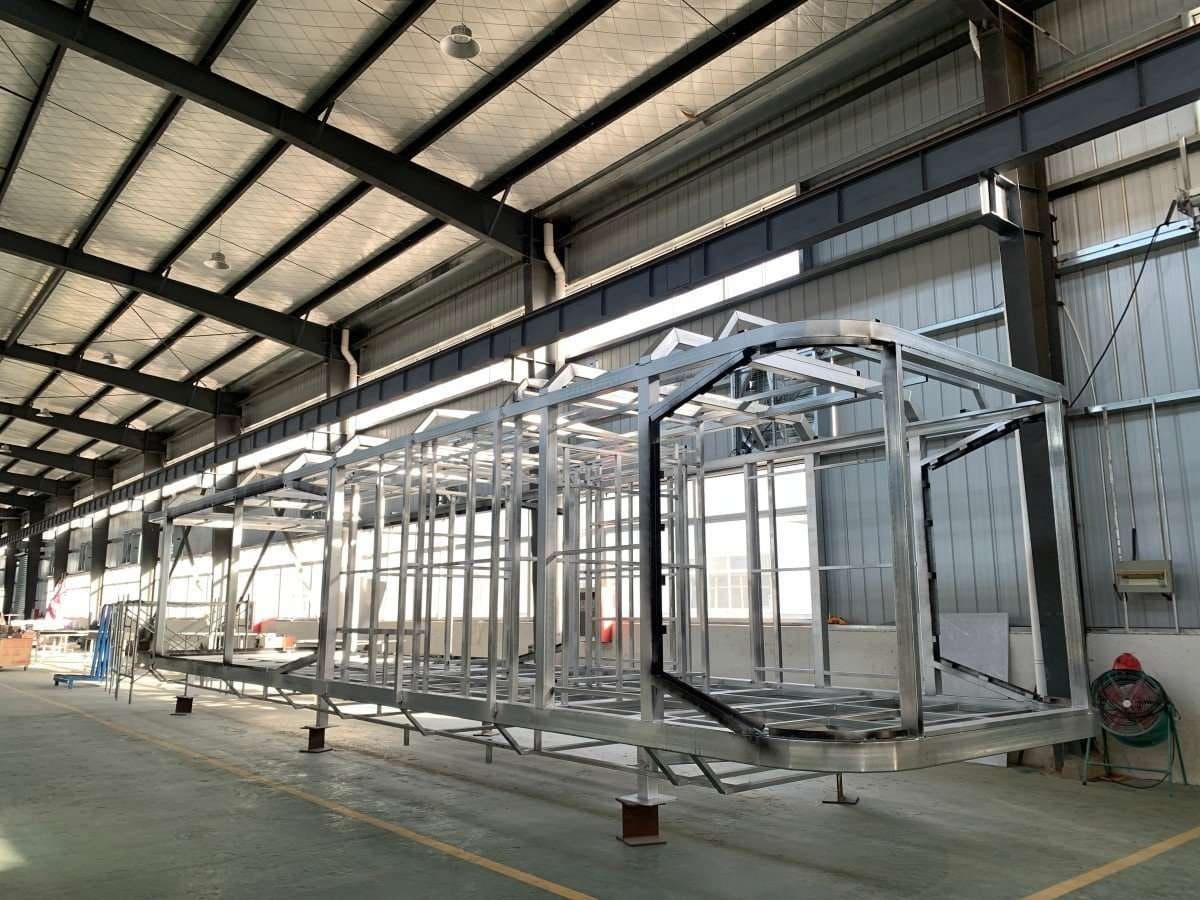
A high-quality prefab cabin always starts with a solid frame. This determines whether the cabin can handle transport, heavy winds, snow load, and long-term use.
Look for:
-
Galvanized steel frame or high-grade timber frame
-
Welded or bolted connections with anti-rust treatment
-
Certified load-bearing design
-
Wind resistance ≥ 0.60 kN/m²
-
Snow load resistance ≥ 0.50 kN/m²
Why it matters:
A weak frame results in deformation, leaks, and structural issues after a few years. A strong frame ensures decades of stability.
2. Proper Wall & Roof Insulation (Comfort for All Seasons)
Insulation is the biggest difference between a cheap cabin and a premium cabin.
Choose models with:
-
PU / PIR insulation panels (best performance)
-
Or Rock wool panels (fire resistance)
-
Wall thickness ≥ 80–100 mm
-
Roof thickness ≥ 120 mm
Benefits:
-
Lower electricity bills
-
Comfortable in hot & cold climates
-
Reduced condensation & moisture issues
-
Longer lifespan for interior materials
3. High-Quality External Cladding (Weather Resistance)
Exterior wall materials protect the cabin from wind, rain, UV, and corrosion.
Recommended cladding materials:
-
Aluminum-zinc panels
-
Fiber cement boards
-
Wood-grain composite panels
-
Weather-resistant steel
Avoid cheap thin metal panels—they corrode fast and affect appearance.
4. Durable Windows & Doors (Security + Insulation)
High-quality prefab cabins use:
-
Double-layer or tempered glass
-
Aluminum alloy frames
-
EPDM sealing strips
-
Lockable safety doors
These improve:
-
Sound insulation
-
Comfort
-
Energy efficiency
-
Security
Poor windows = higher energy bills + condensation + noise.
5. Roofing System (Your First Defense Against Leaks)
A durable roofing system includes:
-
Waterproof membrane
-
Insulation
-
Anti-rust steel roofing
-
Multi-layer protection
-
Proper drainage design
Avoid designs with flat roofs unless proper drainage solutions are installed.
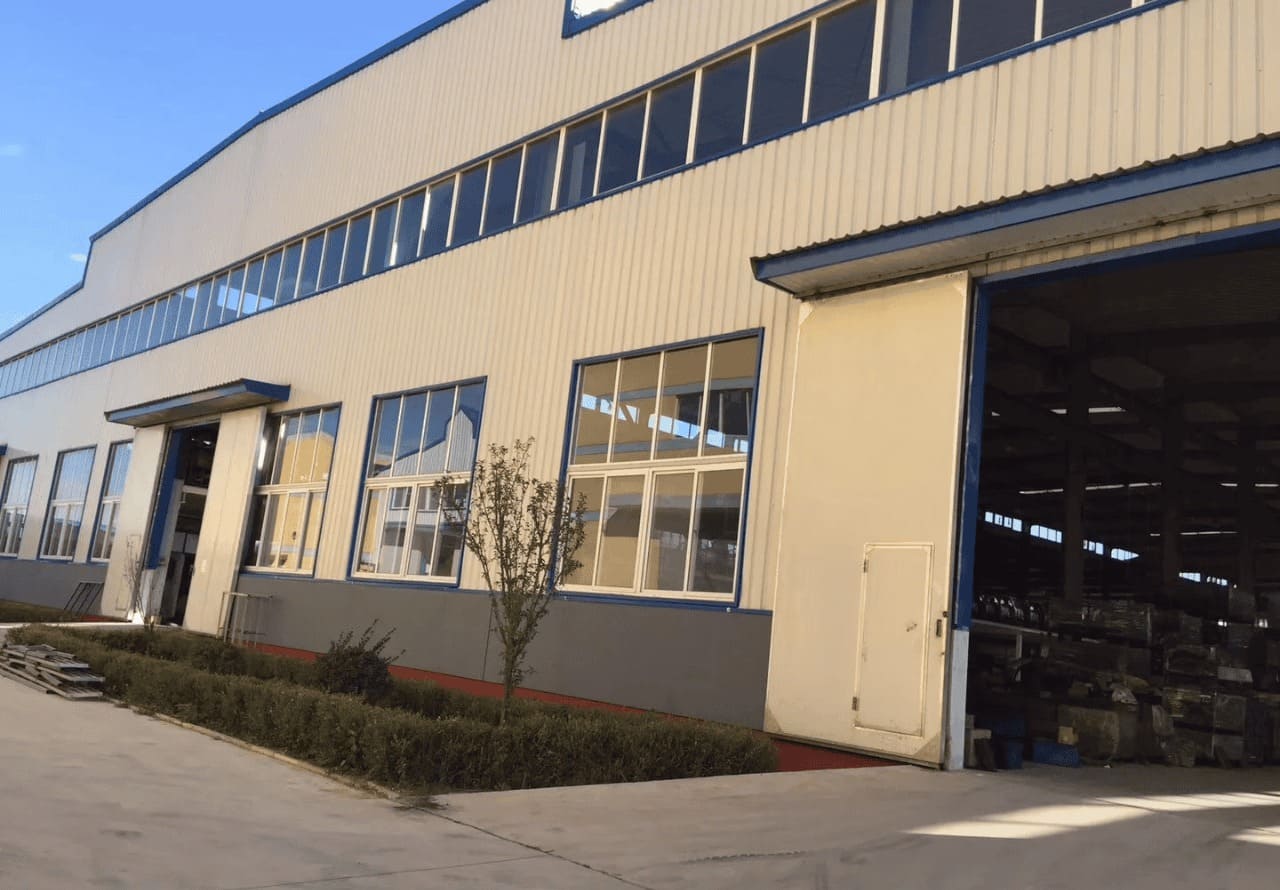
6. Factory Quality Control (Not All Manufacturers Are Equal)
Factory-built cabins should meet strict QC standards:
-
Frame inspection
-
Material certification
-
Waterproof tests
-
Electrical safety tests
-
Insulation performance tests
-
Pre-assembly checks
Look for manufacturers with:
-
ISO certifications
-
CE certification
-
Professional engineering team
-
Export experience
-
After-sales support
7. Easy Transport & Installation
A quality cabin should:
-
Be transported safely without deformation
-
Require minimal on-site assembly
-
Have modular components
-
Include installation guides or video tutorials
If a cabin is difficult to install, it will cause delays and extra costs.
8. Long-Term Warranty & Reliable After-Sales Service
Great manufacturers provide:
-
5–10 years structural warranty
-
Quick response times
-
Replacement parts
-
Technical support
-
Maintenance guides
After-sales quality is one of the strongest signals of a trustworthy supplier.
Conclusion
A high-quality prefab cabin should deliver durability, insulation, comfort, safety, and long-term reliability.
When choosing a cabin manufacturer in 2025, focus on the structure, materials, certifications, factory quality, and after-sales support—these factors directly determine the value and lifespan of your investment.
If you choose the right manufacturer, your prefab cabin can become a long-lasting, low-maintenance, and highly profitable asset.