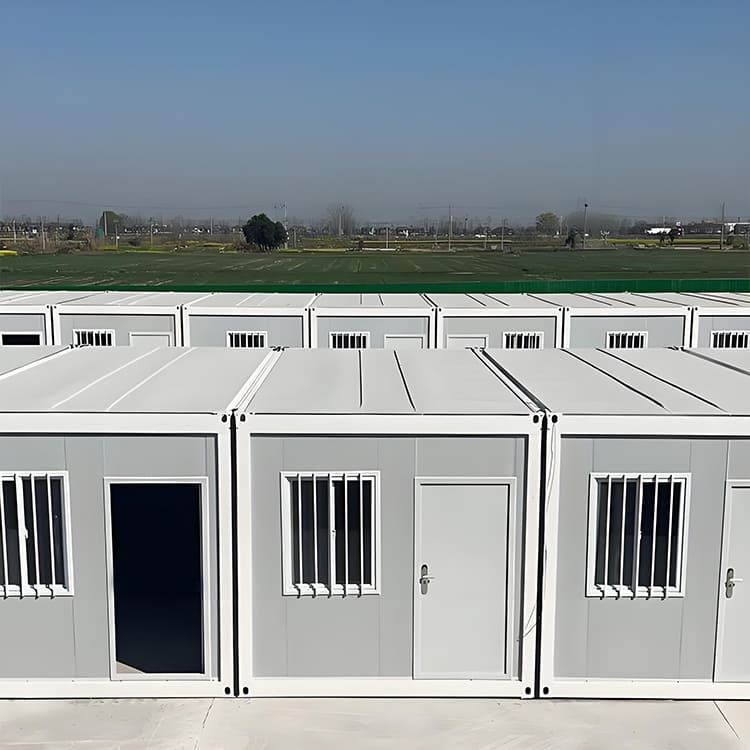
Transporting modular or container homes efficiently requires careful planning to prevent damage, reduce costs, and ensure smooth installation at the destination.
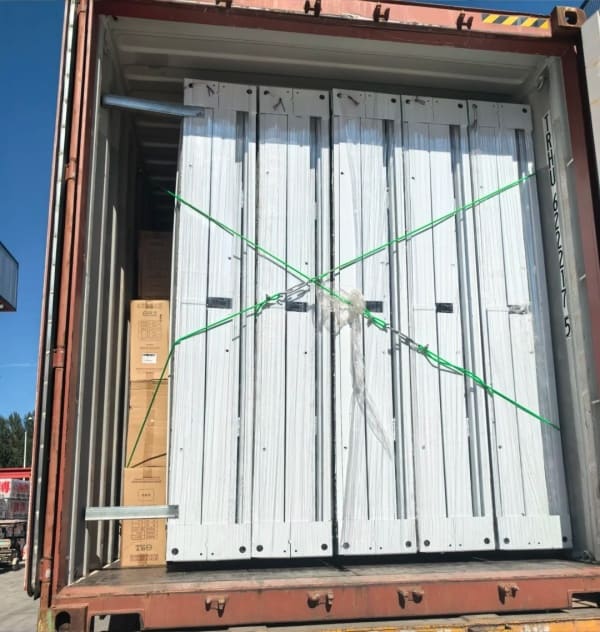
This guide covers all key aspects of packing, shipping, and delivering flat-pack modular units.
1. Pre-Transport Planning
-
Verify site access, including road width and crane availability
-
Confirm foundation is ready for module placement
-
Check local regulations and permits for transport vehicles
2. Packing & Protection
-
Use padding or protective covers for panels and trims
-
Bundle panels, fasteners, and hardware in labeled boxes
-
Apply anti-corrosion wraps or films for steel components
3. Loading & Securing Modules
-
Use cranes or forklifts to lift modules onto transport vehicles
-
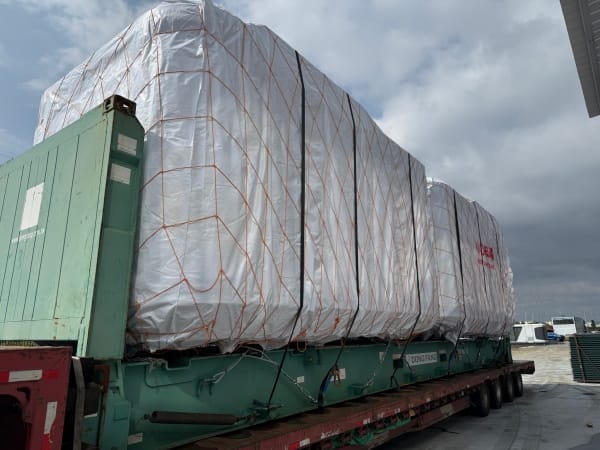
Secure modules with straps, chains, or brackets
-
Ensure weight distribution is balanced to prevent shifting
4. Transportation
-
Choose the most suitable vehicle type for module dimensions
-
Consider weather protection during transit
-
Plan route with minimal sharp turns and road obstacles
5. On-Site Delivery & Unloading
-
Confirm foundation and site readiness
-
Use cranes or hoists to unload modules carefully
-
Inspect for any damage before installation begins
-
Organize components near installation zones for efficiency
6. Tips for Cost and Safety Optimization
-
Optimize module stacking to save space
-
Schedule shipments during favorable weather
-
Coordinate with local authorities for traffic permits
-
Train transport crew on modular handling
Conclusion
Efficient logistics and careful transport planning are essential for successful flat-pack modular home projects.
Proper packing, securing, and site handling ensure modules arrive intact and ready for quick installation, minimizing delays and damage.