Skip to content
Proper sealing and waterproofing are essential for modular and container homes to prevent leaks, moisture damage, and energy loss.
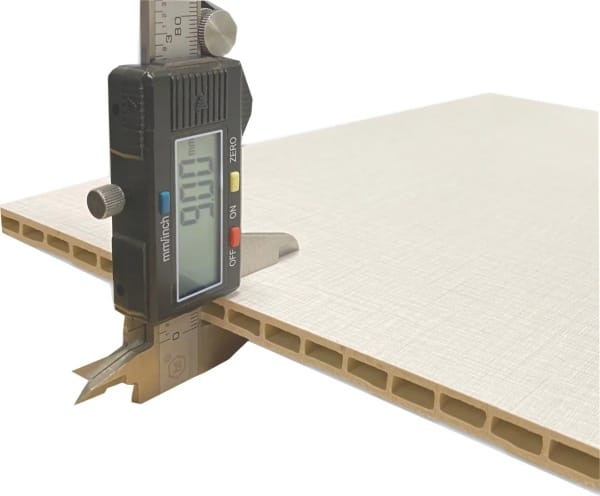
This guide covers essential techniques, materials, and tips for installing and sealing wall panels effectively.
1. Importance of Sealing Prefab Panels
-
Protects the interior from water infiltration
-
Prevents structural corrosion in steel panels
-
Enhances insulation and energy efficiency
-
Extends building lifespan and reduces maintenance
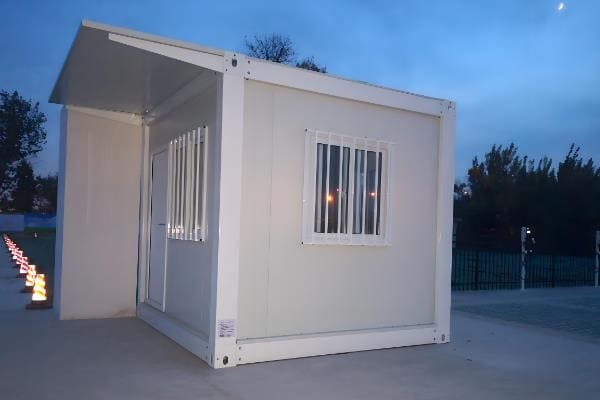
2. Common Sealing Materials
-
Butyl Tape – flexible, durable, perfect for panel joints
-
Sealing Washers – prevent water entry around screws and bolts
-
Silicone or Polyurethane Sealant – fills small gaps and penetrations
-
Foam Backer Rods – for wider gaps before sealant application
3. Step-by-Step Sealing Process
-
Clean Panel Joints
Remove dust, grease, or debris before sealing. -
Apply Butyl Tape
Place tape along edges where panels meet. -
Install Panels & Screws
Use sealing washers with screws or clip locks. -
Apply Sealant
Fill any gaps, corners, or penetrations with silicone/polyurethane sealant. -
Check Overlaps
Ensure laps follow proper water flow direction. -
Hose Test
Test for leaks and reapply sealant if needed.
4. Tips for Long-Term Waterproofing
-
Apply sealant in consistent, continuous beads
-
Avoid stretching tape too thin
-
Inspect panels periodically for wear or damage
-
Reinforce corners and high-risk joints
Conclusion
Effective sealing and waterproofing are crucial to prevent leaks, corrosion, and energy loss in modular homes.
Using proper materials, correct installation techniques, and regular inspection ensures durability and comfort for years.
👉 Contact us for floor plans, pricing, and custom designs.
📩 Email: besthouse@besteelstructure.com