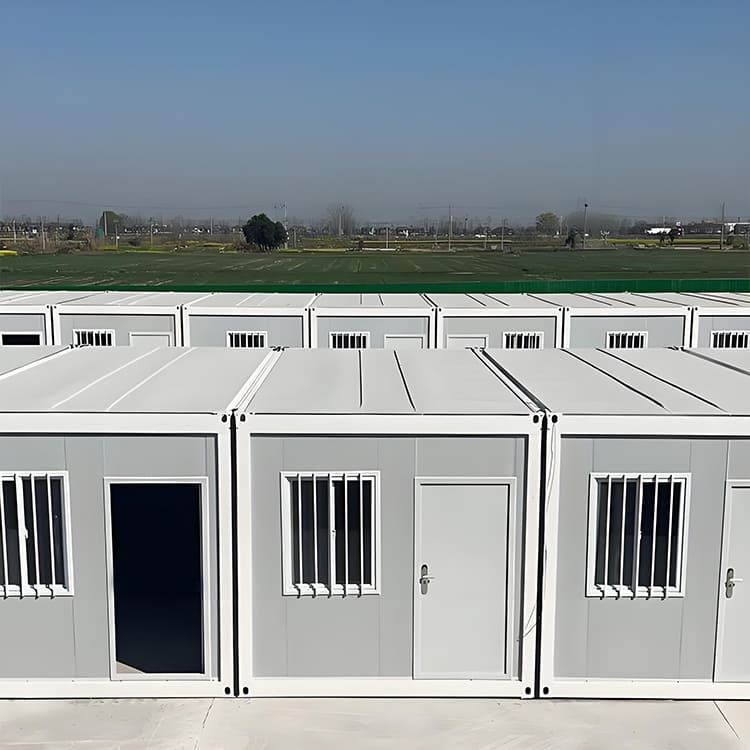
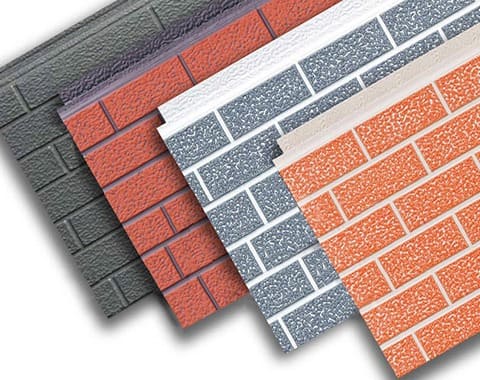
Exporting a prefab home involves complex logistics, from packaging and container loading to customs clearance and international delivery. A reliable freight forwarder is essential to ensure the prefabricated structure arrives safely, on time, and without unexpected costs. Choosing the right partner not only reduces risk but also protects your investment.
Below is a complete guide to selecting the best freight forwarder for prefab homes.
1. Look for Experience in Shipping Prefab or Oversized Cargo
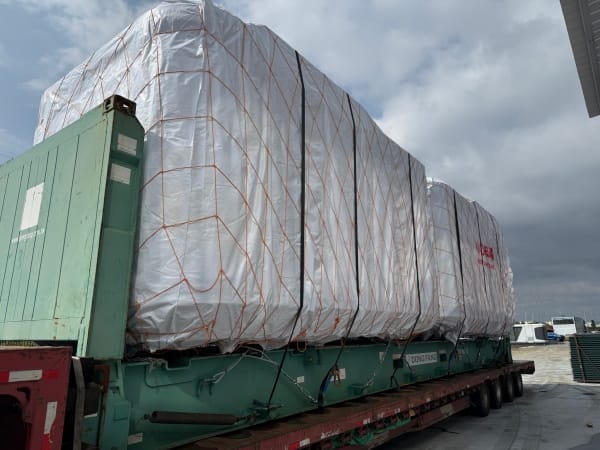
Shipping prefab homes is different from general cargo. The forwarder must understand:
-
Flat-pack or modular home dimensions
-
Oversized or overweight cargo handling
-
Special loading requirements (rack loading, forklift points, reinforcement)
-
Risks related to steel structures or insulated panels
Experienced forwarders can prevent common issues such as deformation, damage during lifting, or mishandled packaging.
2. Check Certifications and Compliance
International shipping requires strict compliance. A professional forwarder should have:
-
FMC / NVOCC certification (for U.S. destination)
-
FIATA membership
-
Local customs brokerage license
-
Valid business insurance
This ensures your shipment meets global regulations and avoids delays at major ports.
3. Evaluate Their Global Network & Destination Support
Prefab homes are often shipped to remote islands, developing regions, or areas with limited port facilities.
A strong forwarder should offer:
-
Multiple carrier options
-
Local agents for customs clearance
-
Delivery to final sites (DDP / DDU services)
-
Knowledge of local permits for construction materials
Forwarders with weak destination support can cause long delays or unexpected storage fees.
4. Compare Freight Rates—but Don’t Choose Only by Price
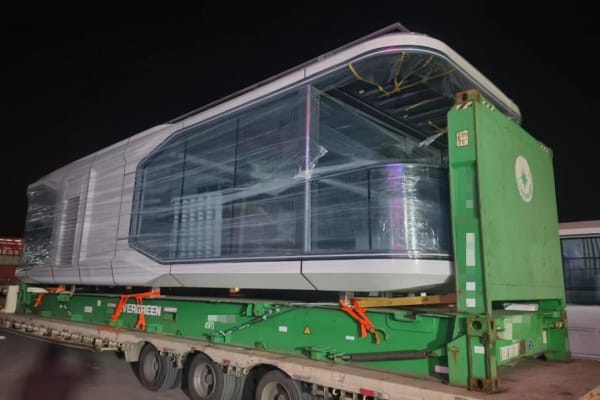
When comparing quotes, consider:
-
Base sea freight
-
Origin handling charges
-
Destination charges
-
Documentation fees
-
Container loading & lashing
-
Insurance options
Low-cost quotes may hide high destination fees. Always request a detailed, itemized quote.
5. Ask About Packaging Requirements & Recommendations
Prefab homes require special export packaging. Your forwarder should advise on:
-
Waterproofing materials
-
Anti-corrosion protection
-
Internal bracing
-
Fumigation requirements
-
Container loading plans
A qualified forwarder works closely with your prefab home manufacturer to ensure optimal safety.
6. Confirm Cargo Tracking and Communication Quality
A reliable forwarder provides:
-
Real-time tracking
-
Scheduled status updates
-
Dedicated logistics support
-
Quick response to shipment issues
Good communication prevents misrouting, delays, or documentation errors.
7. Choose a Forwarder That Offers Full Insurance Options
Given the value of prefab homes, cargo insurance is essential. Choose a forwarder that offers:
-
Comprehensive marine insurance
-
Damage, loss, and delay coverage
-
Easy claim procedures
Avoid shipping without insurance — prefab cargo is too valuable to risk.
Conclusion
Choosing the right freight forwarder is one of the most important steps in exporting a prefab home. Prioritize experience, certifications, transparent pricing, global support, and strong communication. With the right logistics partner, your prefab home will arrive safely and cost-effectively, ensuring a smooth project from factory to site.