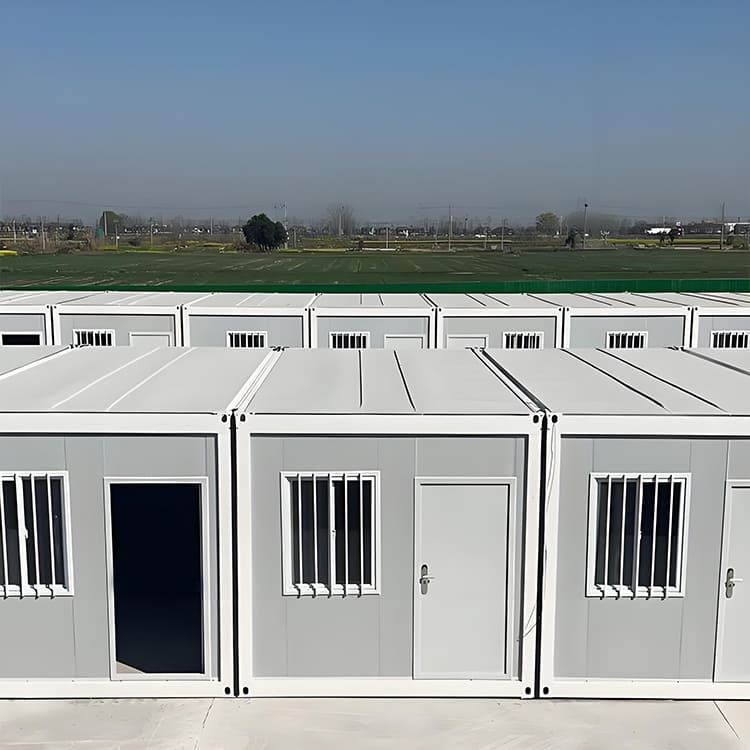
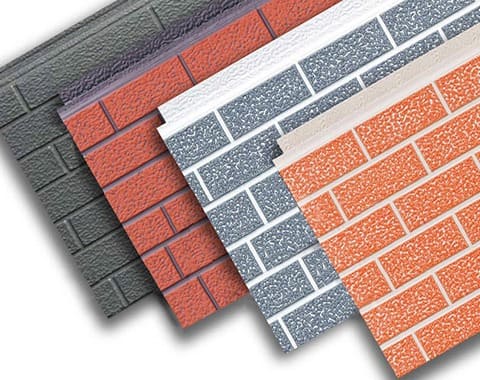
When exporting a portable home overseas, the journey is long, rough, and unpredictable. Waves, moisture, vibration, and multiple loading points all increase the risk of damage. Choosing the right packaging materials is the best way to keep your portable home protected from start to finish.
This guide shows the essential packaging materials every exporter should use—from frame protection to moisture control—to ensure the home arrives in perfect condition.
1. Heavy-Duty Steel Frame Protection Materials
The steel or aluminum frame of a portable home must handle long sea journeys and harsh loading conditions. The right protection prevents dents and scratches.
✔ Recommended Materials
-
High-density foam padding – absorbs vibration and prevents metal-to-metal impact
-
Rubber edge guards – protect corners and edges from forklift damage
-
Reinforced plastic angle bars – ideal for long frame edges
-
Stretch film wrap – prevents dust and surface scratches
Why It Matters
Frames are the backbone of a portable home; damage here can delay installation or require costly repairs.
2. Wooden Crates for Windows, Doors & Glass Panels
Glass is the most fragile part of a portable home. Without proper protection, it may crack before reaching the destination.
✔ Best Materials
-
Fumigated wooden crates
-
Shock-absorbent foam wrapping
-
Rubber spacers between glass sheets
-
Anti-shock stickers
-
Corner protectors for aluminum frames
Pro Tip
Use crates with ventilation holes to prevent moisture buildup during the voyage.
3. Multi-Layer Protection for Wall and Roof Panels
Panels are large, lightweight, and easy to scratch. They need careful packaging to avoid dents, moisture damage, and coating abrasion.
✔ Recommended Materials
-
PE film (Polyethylene) wrap – keeps dust and moisture out
-
Interlayer foam sheets – avoid friction between panels
-
Non-slip rubber pads – stabilize stacks during sea movement
-
Ratchet straps with edge protectors – secure stacks safely
Bonus Tip
Pack panels vertically when possible. It reduces bending risks during the voyage.
4. Packaging for Floors, Furniture & Interior Modules
Portable homes with kitchens, bathrooms, or interior décor require specialized packaging to avoid scratches or moisture damage.
✔ Best Options
-
Reinforced cardboard boxes
-
Honeycomb board edge protectors
-
Wooden frames for large cabinets
-
Bubble wrap + stretch film
Avoid
Thin cartons—they collapse easily under heavy load. Export-grade boxes are essential.
5. Waterproofing & Moisture Control Materials
Sea containers face humidity, condensation, and “container rain.” Moisture control is one of the most important parts of export packaging.
✔ Essential Moisture Control Materials
-
Desiccant bags(10–20 per 40HQ)
-
Waterproof barrier film
-
Anti-mildew paper
-
Aluminum foil moisture-proof bags
-
Silica gel packs for electronics
Why It Matters
Moisture is the #1 cause of mold, rust, and insulation damage during long-distance shipping.
6. Securing Materials to Keep Loads Stable in the Container
Proper securing keeps the portable home from shifting during sea turbulence.
✔ Best Securing Materials
-
Ratchet straps
-
Nylon belts
-
Wooden blocking & bracing
-
Anti-slip mats
-
Steel tension bands
-
Plywood partition walls
Expert Tip
Always use edge protectors under straps to avoid damaging panels or frames.
7. Smart Labels and Indicators for Safer Handling
✔ Useful Handling Indicators
-
Tilt indicators
-
Shock indicators
-
Humidity indicators
-
QR code labels with instructions
These tools help protect against mishandling, support insurance claims, and ensure smoother port operations.
Conclusion
Choosing the right packaging materials is one of the smartest investments when exporting a portable home. Strong frames, protected panels, moisture-proof layers, and secure loading ensure your home arrives safely and ready for installation.
With the proper packaging system, you not only reduce risk but also save time, money, and repair costs—making every shipment smoother and more reliable.