Skip to content
Have you ever seen a house that can move from one place to another? Sounds amazing, right? These are called portable houses—homes designed to be built quickly, transported easily, and used almost anywhere. They also look modern, efficient, and stylish.
Portable houses are especially valuable when speed, flexibility, and mobility matter. Most are completed in 1–3 months; factory production reduces waste, and the units can be relocated when needed. However, buyers must also consider transport costs, cranes, utility hookups, and financing limitations.
In this guide, you will learn what portable houses are, who uses them, their benefits, and their risks—so keep reading!
一、What Are Portable Houses?
A portable house is a home that can be moved from one location to another. Unlike traditional homes that stay on a fixed foundation, portable houses are built in factories and delivered to your chosen site.
Portable houses, due to their convenience, speed, and lower cost compared to traditional houses, are becoming increasingly popular worldwide. You might see them in a resort, hotel, or even on the grass as a scenic spot and place to stay.
Portable houses—valued for their practicality, convenience, and aesthetic appeal—are widely accepted in places such as the United States, Australia, Portugal, and Italy.
Below are the common types:
1. Modular Homes / Prefab Homes
Modular or prefab homes are built in sections. Workers assemble these parts on your land.
Benefits: Fast installation and cost savings.
2. Manufactured Homes
Built under the HUD Code, which sets standards for durability and safety.
Benefits: Strong structure and better weather performance.
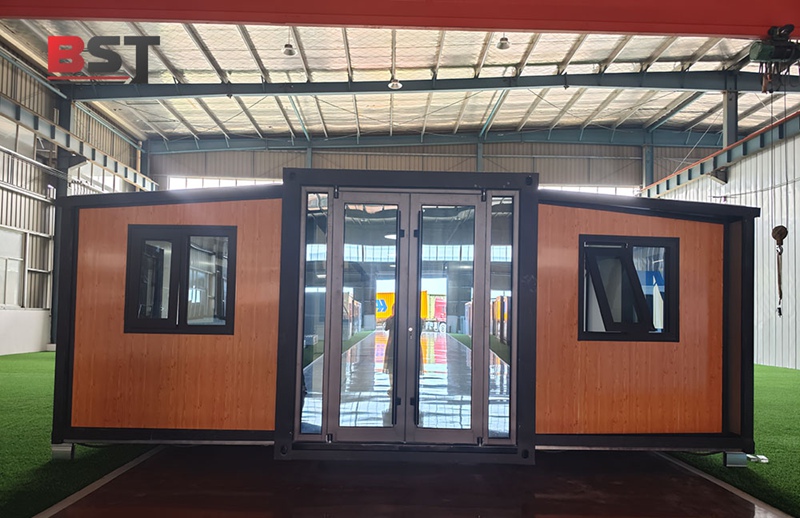
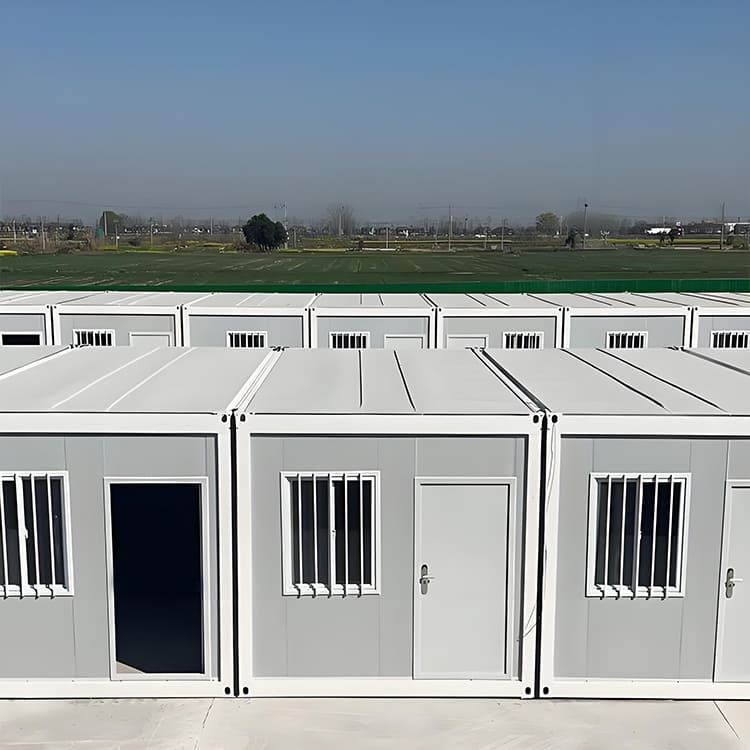
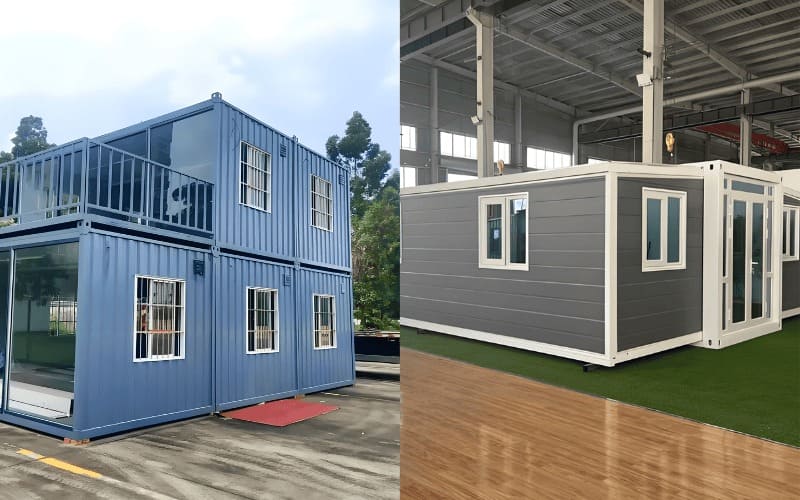
3. Container Houses
Made from steel shipping containers.
Benefits: Container houses are extremely durable, movable, and great for worker camps or glamping parks.
4. Tiny Houses on Wheels (THOW)
Small homes built on a trailer chassis.
Benefits: Perfect for travel lovers and flexible living.
5. Kit Homes
Delivered in labeled parts like a building kit.
Benefits: DIY-friendly and quick to assemble.
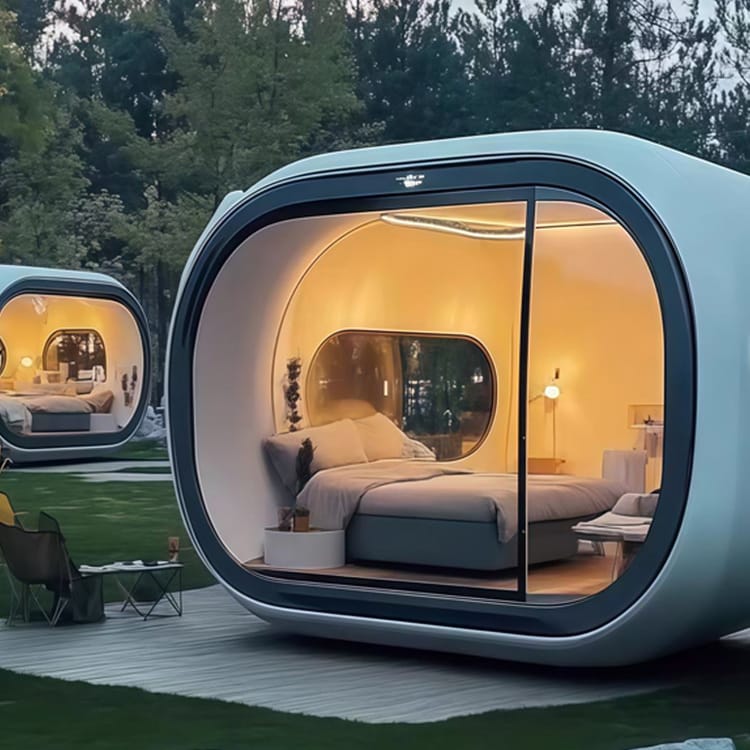
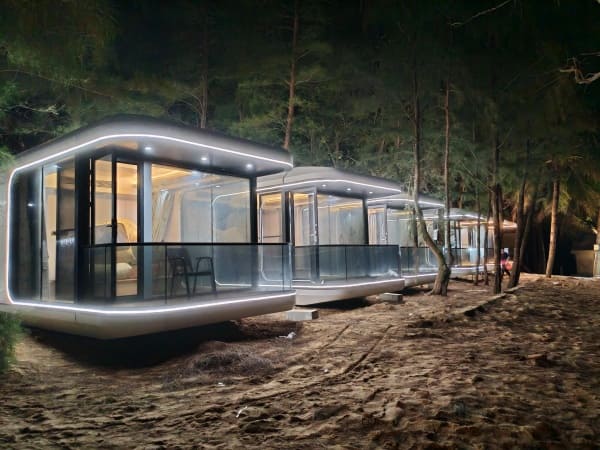
6. Capsule Houses
Modern, futuristic capsule homes built on metal frames with steel or aluminum structures.
Benefits: Ideal for resorts, showrooms, and glamping sites.
7. Quick Comparison Chart
| Type | Typical Foundation | Typical Use |
|---|---|---|
| Modular Home | Slab, crawlspace, basement | Permanent housing |
| Manufactured Home | Piers or chassis supports | Permanent / semi-permanent living |
| Container House | Steel chassis or footings | Worker dorms, site offices, glamping |
| Tiny House on Wheels | Trailer chassis | Travel, seasonal stays |
| Kit Home | Slab or crawlspace | Housing, lodges |
| Capsule House | Steel/aluminum frame | Resorts, glamping, exhibitions |
二、 Who Should Consider Portable Houses?
Now that you know the types, let’s see who benefits most.
1. Resorts & Eco-Lodges
Portable homes install quickly and look beautiful, helping owners launch faster and earn earlier.
Glamping Parks
Parks need stylish, movable units. Portable houses attract guests and reduce setup time.
2. Construction & Mining Camps
Workers need safe housing near job sites. Portable homes cut commute time and improve comfort.
3. Multi-Site Companies
Businesses that move from project to project can reuse the same units, saving cost on each move.
4. Seasonal Business Owners
Owners can relocate portable houses based on seasonal demand for maximum revenue.
三、 Benefits That Improve ROI
Portable houses offer several financial and practical advantages.
1. Fast and Affordable
Factory-built units reduce labor time and material costs.
2. No Weather Delays
Construction continues even during rain or storms.
3. Lower Waste
Factories use materials efficiently, reducing waste and saving money.
4. Strong and Low-Maintenance
Made from steel and aluminum, these homes need fewer repairs.
5. Easy to Expand or Move
Add more units or relocate them when your needs change.
6. Energy Efficient
Better insulation keeps homes warm in winter and cool in summer, lowering bills.
7. Faster Income
Ideal for resorts, rentals, or camps—guests can arrive sooner.
8. Simpler Permits
Many portable homes require fewer approvals, reducing delays.
9. Benefit Comparison Table
| Feature | Traditional House | Portable House | Key Benefit |
|---|---|---|---|
| Build Time | 6–12 months | 1–3 months | Faster start |
| Mobility | Fixed | Moveable | Flexible location |
| Weather Delays | Yes | No | On-time delivery |
| Material Waste | High | Low | Cost savings |
| Energy Use | High | Low | Lower bills |
| Maintenance | Frequent | Minimal | Long-term savings |
| Paperwork | Complex | Simpler | Faster approval |
| Business Launch | Slow | Fast | Early revenue |
| Resale Value | Location-based | Market-dependent | Case-by-case |
四、 Common Drawbacks and Risks
Of course, each coin has two sides. Portable houses come with challenges you should know before buying.
1. Financing Difficulties
Banks often require special paperwork and may limit loans for movable homes.
Transport and Setup Costs
Crane, truck, and installation fees can increase total cost.
2. Utility Connection Issues
Electricity, water, and gas may require licensed workers and extra time.
3. Limited Design Flexibility
Most portable homes offer fewer customization options.
4. Resale Challenges
Some buyers prefer traditional homes, affecting resale value.
5. Vendor Support Problems
Not all sellers provide good after-sale service—choose reliable companies only.
Conclusion
Portable houses are modern, flexible, and cost-saving. Built with strong materials, they require fewer repairs and can be moved anywhere. If you value speed, mobility, and lower maintenance, portable homes may be the perfect solution for you.