Skip to content
Someone says that transporting and installing an expandable container house is easy. They simplify the steps by shifting most steps from the job site to the factory. However, easy doesn’t mean “no preparation required.”
This guide walks you through every stage of the process: from site preparation to final setup, ensuring your expandable home performs perfectly wherever you go with proper transportation and installation.
Preparing for Transport and Installation
Before your container house leaves the factory, it’s folded and securely locked into a standard ISO-sized unit (usually 20 ft or 40ft). To ensure safe shipping:
-
Inspect the locking system to make sure all hinges and bolts are fully tightened.
-
Wrap vulnerable parts such as corners, doors, and windows with foam protection.
-
Confirm lifting points are correctly positioned for cranes or forklifts.
Most expandable homes can be transported by flatbed truck, container trailer, or even cargo ship, depending on destination.
Site Preparation Before Installation
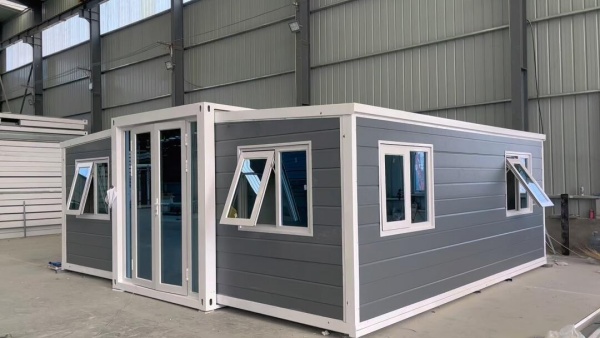
After transportation, installation in the proper place is also essential. A stable and level site ensures the longevity and safety of your home.
Follow these steps before installation:
-
Choose a level surface (concrete slab or compacted gravel is best).
-
Check ground drainage to prevent water accumulation under the house.
-
Mark foundation points if using adjustable footings or steel supports.
-
Ensure power and water connections are accessible if needed.
A smooth, dry, and properly leveled area prevents stress on the structure during expansion. It may require a simpler foundation system than a conventional house, depending on the local soil, building code, wind load, and manufacturer requirements.
Unloading and Positioning the Unit
Once delivered, the container home is lifted by crane or forklift using the marked lifting hooks. During this step:
-
Avoid tilting or sudden movements that can stress the frame.
-
Place the unit gently on its pre-leveled foundation or supports.
-
Double-check that all sides are stable before expansion begins.
If multiple units are being installed, align them carefully according to your floor plan for modular connection.
🔗 See how modular connections work in our Expandable Container Home Structure Guide.
Expanding the House
Once the container is in position, start the unfolding process:
For Manual Systems
-
Unlock all latches and unfold side panels by hand.
-
Secure each section with pins and bolts once opened.
For Hydraulic Systems
-
Connect the hydraulic pump or power source.
-
Activate the control switch to extend the walls and roof automatically.
After full expansion, inspect every hinge and lock to ensure correct alignment.
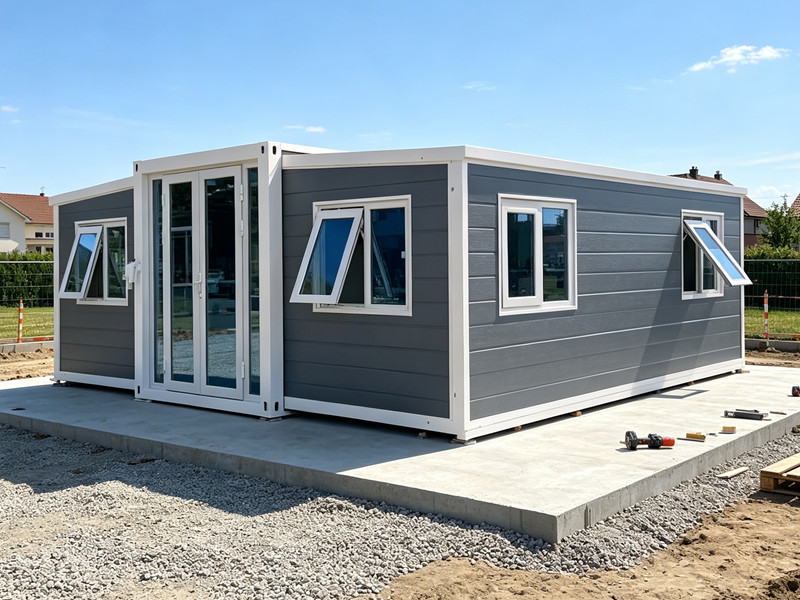
Connecting Utilities and Finishing Setup
Most expandable container homes are designed by expandable container home manufacturers for easy utility connections:
-
Electrical: plug-in junction boxes or pre-installed sockets.
-
Water & Drainage: quick-connect pipes beneath the unit.
-
Air conditioning: wall cutouts or mounted brackets available.
Make sure all systems are properly sealed and tested before occupancy. For large or multiple units, a certified technician is recommended to handle utility hookups.
Final Inspection and Safety Check
Before moving in:
-
Verify the structure is level and stable.
-
Inspect door and window alignment.
-
Check weatherproof seals for leaks.
-
Test all lighting and outlets.
A proper inspection ensures your home remains safe, insulated, and weather-resistant.

To get a pretty expandable container home, pay attention to the main steps like transport and installation. Expandable container houses offer incredible convenience—they’re prebuilt in factories and can be transported anywhere. But to enjoy their full benefits, proper transportation and installation of container homes are essential. Poor handling can lead to frame misalignment, leakage, or even structural damage.
And here are the steps that make installation easier:
1. Choose a factory-finished model
Pre-installed electrical + plumbing + doors + windows + flooring + bathroom + kitchen
2. Confirm folded dimensions before ordering
Including L × W × H + weight to determine the route.
3. Prepare the foundation before delivery
Foundation ready → House arrives → Install
4. Inspect the access route
Road → Gate → Turning radius → Crane position → Installation area
5. Use a professional lifting team
6. Choose hydraulic expansion for larger projects
7. Use a manufacturer installation guide
Conclusion
Transporting and installing an expandable container home may seem complex, but with preparation and attention to detail, and with the cooperation of the expandable container homes manufacturer, it’s a fast and smooth process. By ensuring correct site leveling, safe unloading, and precise expansion, you’ll enjoy a secure, comfortable, and portable living space anywhere in the world.