Skip to content
Expandable container houses may look simple, yet they hide a clever engineering concept. These compact units fold for easy transport and expand into complete living spaces within minutes. As one of the most efficient housing solutions today, their expansion and locking systems are key to durability and safety.
This guide explains the main expansion methods, how each part locks and seals, and the steps to deploy and maintain an expandable container home.
Expansion Methods for Expandable Container Houses
1. Single-Side Expansion
This is the most common and simplest design. One wall slides or folds out, similar to a drawer extension, creating more floor area while the other side stays fixed.
Best for: narrow plots or sites with limited space on one side.

2. Double-Side Expansion
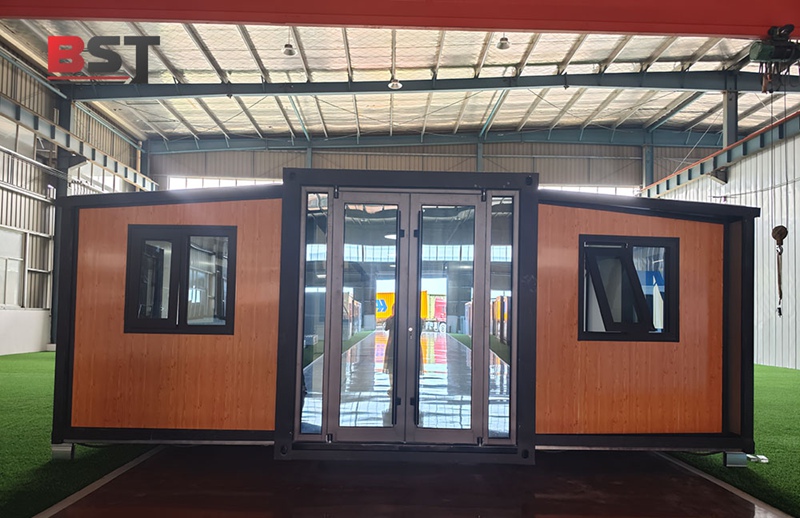
In this method, both left and right walls extend outward simultaneously, doubling the internal width. It offers a balanced and spacious interior layout.
Best for: sites with open space on both sides and families needing larger living areas.
3. Roof-Lift (Top-Up) Expansion
Instead of extending sideways, this option raises the roof using hydraulic or screw systems. The result is a higher ceiling and greater internal volume—perfect for tight sites where lateral space is limited.
Best for: users wanting extra headroom without expanding the footprint.
How to Choose the Right Expansion Type
Consider these factors before choosing:
-
Site space: One clear side → choose single-side. Both sides clear → double-side.
-
Height limits: Narrow site → use roof-lift if vertical clearance allows.
-
Interior needs: Double-side adds the most area; roof-lift adds height.
-
Transport limits: All models collapse to standard shipping dimensions.
Match the extension direction to your planned layout (e.g., extend toward the living area or bedrooms).
Locking and Sealing Systems
Once expanded, every part must lock firmly for safety and waterproofing.
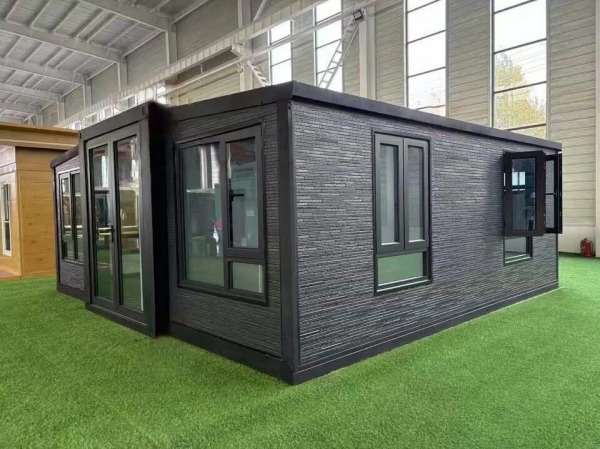
1. Hinges and Latches
Stainless-steel hinges and locking pins secure the extended panels to the steel frame. You’ll hear a click when the panels lock in place — confirming proper alignment.
2. Side Joints
The wall edges fit tightly into the main frame, compressing rubber seals for a watertight bond. No extra sealant is needed on vertical edges.
3. Roof Sealing
After unfolding, apply sealant along roof laps and secure trims. Overlapping roof panels with rubber gaskets prevent water intrusion even in heavy rain.
Together, these components form a leak-proof, wind-resistant structure. Reliable manufacturers provide engineering drawings and test reports confirming performance.
Quick Deployment Steps
-
Position and Level the Unit – Place the container on a flat surface using a forklift or crane.
-
Release Transport Locks – Unlock any bolts or shipping latches.
-
Extend Panels or Roof – Slide or fold out side walls (or raise roof) until all locking pins click in place.
-
Secure Latches and Bolts – Tighten fasteners and check wall alignment.
-
Seal and Test Joints – Apply roof sealant, snap on trims, and perform a quick water test to confirm leak-proofing.
A trained crew can complete deployment in 10–30 minutes.
Setup Time and Crew Requirements
Most units need only a small team and basic tools (wrenches, screwdrivers, forklift, or small crane).
Your supplier’s quote should specify expected setup time and crew size based on the model and site.
Maintenance After Deployment
Regular inspection ensures long-term performance:
-
Check roof seals after the first rain; reseal if gaps appear.
-
Tighten hardware such as hinges and locking pins every 6–12 months.
-
Keep an inspection log to track wear patterns and maintenance intervals.
Buyer Checklist
✅ Choose the right expansion type (single, double, or roof-lift).
✅ Clarify inclusions and optional upgrades (locks, trims, furniture, etc.).
✅ Request drawings, waterproofing details, and test certificates.
✅ Confirm site clearance, lifting plan, and transport dimensions.
✅ Verify setup time and crew requirements in the quote.
This checklist helps compare suppliers and ensure you get a complete, high-quality container home package.
FAQs
Will joints leak after opening?
No. Side joints fit tightly and roof seams are sealed, keeping interiors dry.
Do I need extra sealant on the sides?
No. Only the roof connections require additional sealant.
Can I increase ceiling height without widening the unit?
Yes. Select a roof-lift (top-up) model for added headroom.
Conclusion
Expandable container houses combine mobility, strength, and comfort in one package.
By understanding how they expand, lock, and seal, you can deploy your home safely and quickly — ready for modern, flexible living anywhere.