Skip to content
When exploring modern housing, one question often arises — should you choose a wooden house or a capsule house? Both fall under the category of prefabricated modular homes, yet they suit very different lifestyles.
What Is a Prefabricated House?
A prefabricated house (also known as a prefab home or manufactured home) is built off-site in a controlled factory, then transported for quick on-site assembly.
This process reduces construction costs, shortens building time, and improves precision.
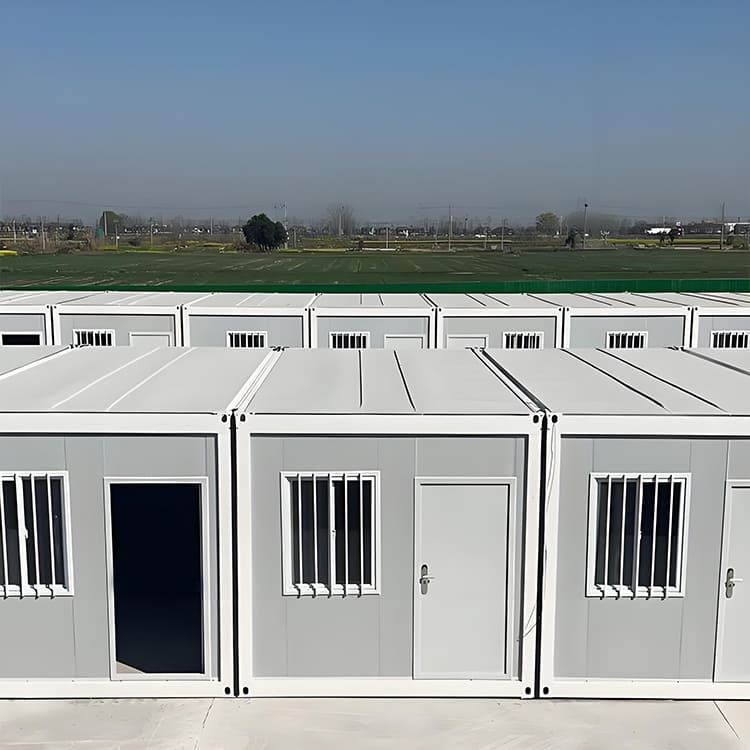
Common prefab home types include:
-
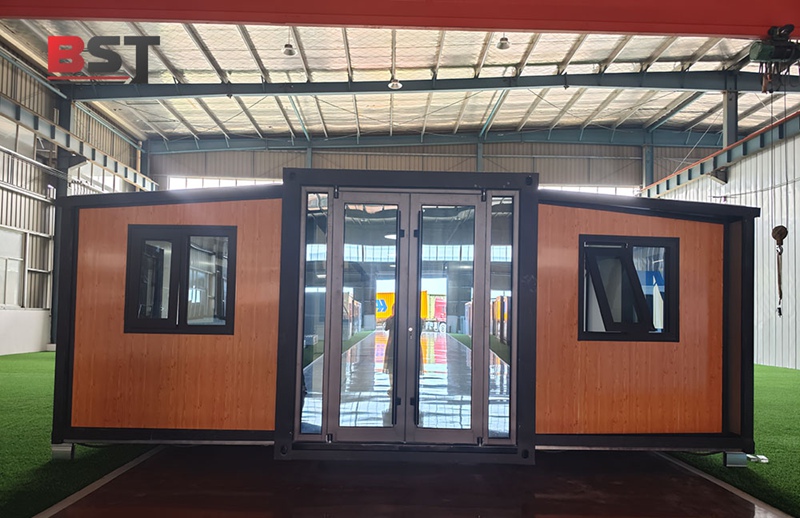
Modular houses (2-story modular homes, round or Spanish-style units)
-
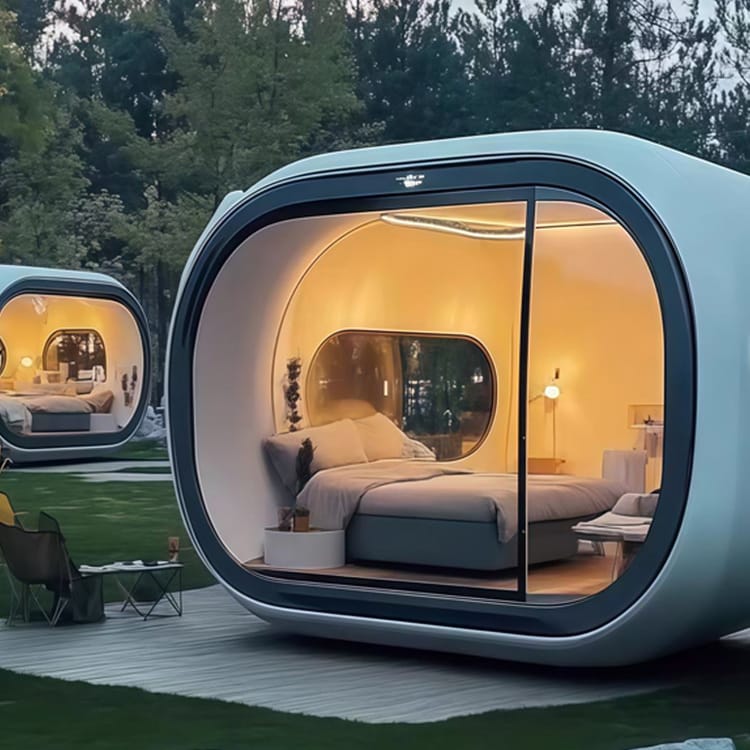
Capsule houses and capsule hotels (such as the futuristic Volferda capsule home)
-
Tiny houses and mobile homes
-
Precast concrete or cob houses
Each option differs in cost, design, and long-term reliability.
🌲 The Wooden House: Natural Beauty, Ongoing Care
A wooden house provides warmth, charm, and an eco-friendly aesthetic — perfect for families or nature lovers.
However, wood requires consistent maintenance to maintain strength and beauty.
Challenges of wooden homes:
-
Vulnerable to moisture, termites, and fire
-
Higher maintenance costs over time
-
Lifespan depends on climate and protection
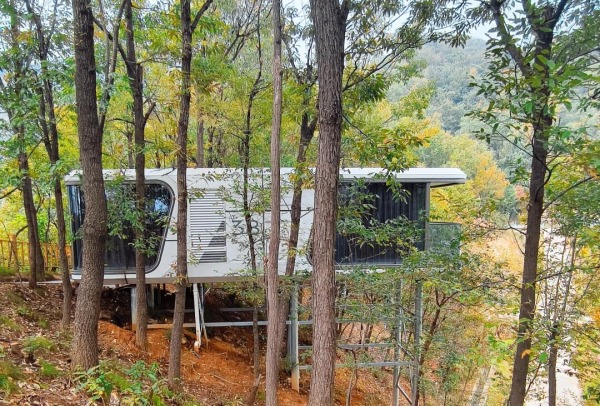
With proper care, a wooden house can last 30–60 years, but neglect can lead to faster deterioration.
The Capsule House: Futuristic and Durable
A capsule house (also called a space capsule home) represents next-generation living.
Built with aviation-grade aluminum, double-layer galvanized frames, and corrosion-resistant finishes, it ensures both strength and modern style.
Advantages of capsule homes:
-
Sleek, minimal design using high-grade materials
-
Engineered for earthquake resistance
-
Minimal maintenance and long service life
-
Fast installation through modular assembly
Most capsule houses are designed to last 40–50 years or more, outperforming wood in long-term durability.
Cost Comparison: Short-Term vs. Long-Term Value
Wooden house cost: Lower at first, but rising over decades due to upkeep and repairs.
Capsule house price: Higher upfront, yet savings appear through low maintenance, energy efficiency, and faster installation.
| Category | Wooden House | Capsule House |
|---|---|---|
| Initial Cost | Moderate | High |
| Maintenance | Frequent | Minimal |
| Durability | 30–60 yrs | 40–50 yrs+ |
| Energy Efficiency | Moderate | Excellent |
| Installation Speed | Slow | Very Fast |
In short, while wooden homes are attractive initially, capsule houses deliver greater lifetime value and structural reliability.
Prefab Homes and Modern Standards
Today’s modular prefab homes follow strict building codes and permit requirements, offering test data for earthquake and weather resistance.
Transparent delivery details, shipping cost clarity, and modular designs make them ideal for global buyers seeking affordable innovation.
Common prefab FAQs:
-
Is it cheaper to build a prefab house? Yes — factory construction lowers costs.
-
How long do prefab homes last? Around 30–60 years with care.
-
Do modular homes last as long as traditional ones? Often equal or longer.
-
How long does installation take? Usually a few weeks, not months.

Long-Term Durability: The Final Verdict
A wooden house offers natural charm but demands ongoing maintenance.
A capsule house delivers long-term strength, lower upkeep, and modern comfort — the smarter choice for future-ready living.
Whether for personal living, resorts, or off-grid retreats, capsule homes embody the future of housing: efficient, mobile, and sustainable.
Summary
While both wooden and capsule houses represent exciting prefab innovations, the capsule house stands out for its durability, mobility, and futuristic comfort. For homeowners focused on long-term value and minimal upkeep, the capsule home is the clear winner in the evolution of modern housing.