Skip to content
In the ever-evolving hospitality industry, investors and resort owners are seeking innovative assets that combine design appeal, sustainability, and profitability.
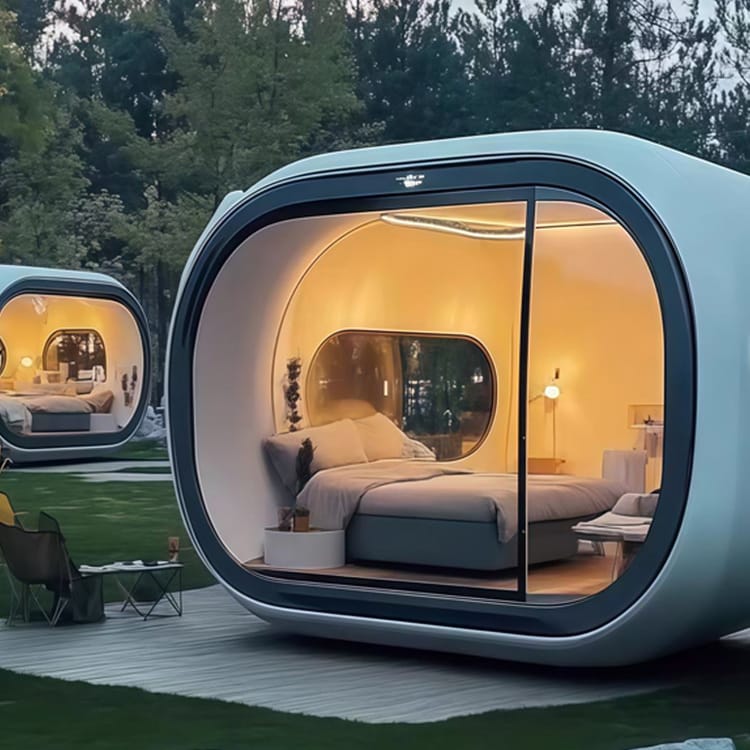
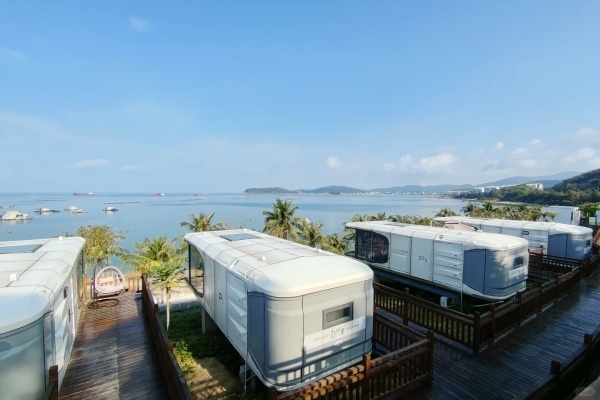
Space capsule homes — modular, futuristic accommodation units — are becoming one of the most promising investments in the resort market.
They offer lower upfront costs, high occupancy potential, and impressive long-term returns. With short construction timelines and flexible installation, these smart pods present a faster and more cost-efficient path to revenue growth compared to traditional villas or hotel expansions.
Here’s why investing in space capsule homes is a strategic move for resorts aiming for higher ROI and long-term brand value.
Enhance Market Differentiation & Brand Value
In an increasingly saturated market, unique guest experiences are key to differentiation. Capsule homes deliver futuristic, Instagram-worthy lodging that amplifies both brand image and market visibility.
Investment Insight:
-
Capsules generate higher marketing efficiency — social media exposure can reduce ad spending by up to 40%.
-
Unique designs increase organic reach, creating value without continuous ad costs.
-
A single capsule installation can enhance resort visibility across online travel platforms, strengthening brand equity.
By positioning your property as an innovative, design-forward destination, you not only attract new demographics but also enhance long-term brand loyalty.
Smart Technology as a Value Multiplier
Capsule homes integrate smart automation that enhances both guest experience and operational efficiency — a critical factor in maximizing asset value.

Investment Benefits:
-
Smart controls reduce energy consumption by 25–35%, lowering operational costs.
-
Touchless entry and digital systems minimize staffing needs, increasing operational margins.
-
Technology integration improves guest satisfaction scores — positively impacting return rates and online ratings.
Smart tech isn’t just a guest amenity — it’s a profit-driving infrastructure investment that ensures future-readiness and cost control.
Flexible Unit Models for Diverse Market Segments
Capsule homes offer modular flexibility, allowing resorts to expand capacity with lower capital expenditure.
Investment Analysis:
-
Units can be reconfigured for families, couples, or groups, improving occupancy rates.
-
The modular model supports phased investments — add capsules as demand grows.
-
Ideal for investors seeking scalable growth without committing to large construction projects.
This flexibility makes capsule homes a strategic investment for both boutique resorts and large-scale hospitality groups.
Sustainable Investment with Long-Term Savings
With 81% of travelers preferring eco-conscious accommodation, sustainability has become a core profitability driver.
Eco-Financial Advantages:
-
Smart climate systems reduce waste and energy bills.
-
Solar panels can cut annual electricity costs by up to 20–30%.
-
Compact size lowers cleaning and maintenance costs, saving up to 30% on operations.
Investing in eco-friendly capsule homes improves ESG (Environmental, Social, and Governance) performance — increasingly valued by institutional investors and eco-tourism markets alike.
Strong ROI and Long-Term Asset Durability
Capsule homes deliver durable returns over an extended life cycle of up to 25 years. Their prefabricated steel or composite structures withstand weathering and require minimal maintenance.
Financial Highlights:
-
25-year lifespan ensures consistent revenue generation.
-
Maintenance costs are 30% lower than standard villas.
-
Typical ROI: 15–25% annualized return (depending on occupancy rates).
-
Payback period: 3–5 years for most installations.
These metrics position capsule homes as one of the highest-yielding hospitality assets in the alternative accommodation sector.
Case Studies: Proof of Profitability
-
A New Zealand boutique hotel increased bookings by 40% within 6 months of installing capsule homes.
-
A Maldives luxury resort reported a 25% rise in returning guests after adding rooftop pods.
-
70% of guests shared their capsule experience on social media, driving additional organic bookings.
These real-world examples confirm that capsule investments enhance both short-term cash flow and long-term brand visibility.
Conclusion
For investors and resort developers, space capsule homes are more than an aesthetic choice — they are a strategic asset class combining sustainability, scalability, and superior ROI.
By adopting these innovative structures, resorts can:
-
Differentiate their brand in competitive markets,
-
Reduce operational overheads,
-
Capture the growing eco-luxury traveler segment,
-
And achieve sustainable, long-term growth.
In short, capsule homes represent the future of profitable resort investment.
❓ FAQs: Investing in Space Capsule Homes
1. What is the average ROI on capsule home investments?
Typically 15–25% per year, depending on occupancy, pricing strategy, and location.
2. How long does it take to recover the investment?
Most resorts achieve full payback within 3–5 years due to low operating costs and high occupancy.
3. Can capsule homes be financed or leased?
Yes. Many manufacturers offer flexible leasing or financing options to reduce upfront capital.
4. Are capsule homes suitable for all climates?
Yes, with insulation and ventilation customization for both tropical and cold regions.
5. Do they increase property value?
Absolutely — adding capsule homes can enhance total resort valuation and brand desirability.