Skip to content
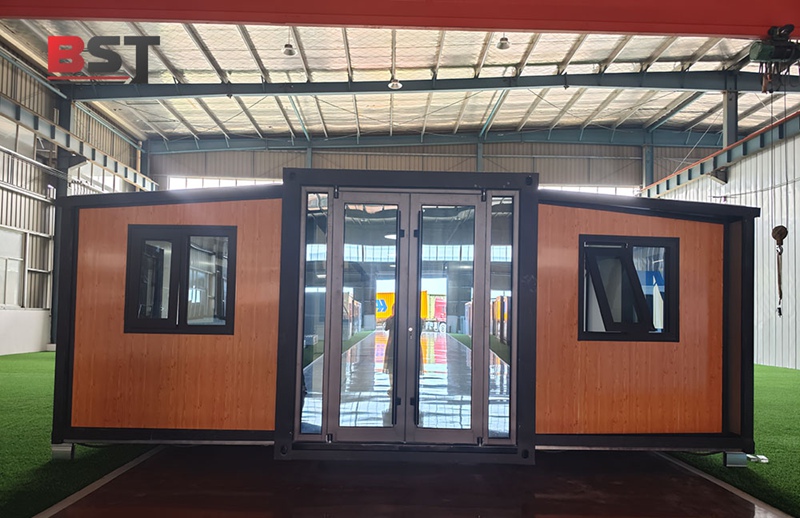
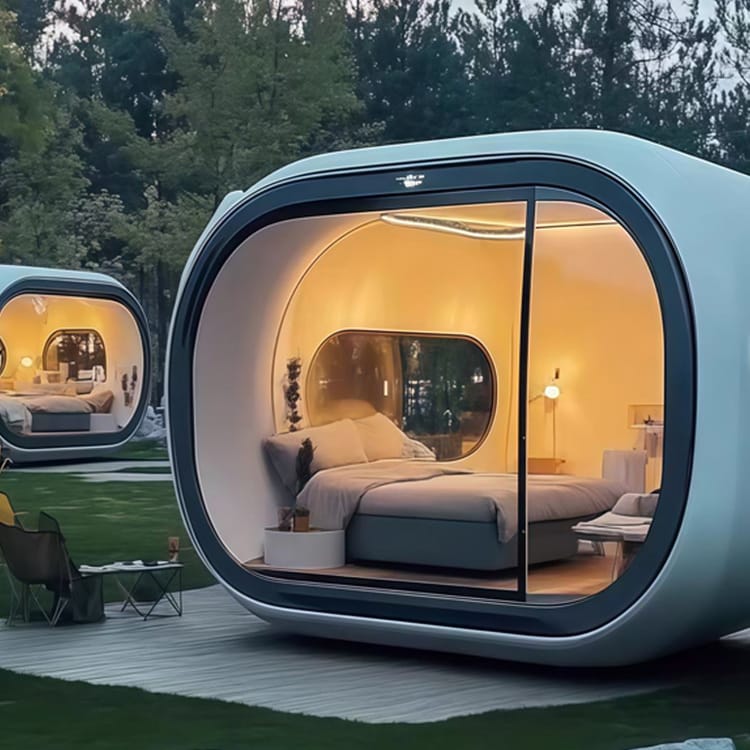
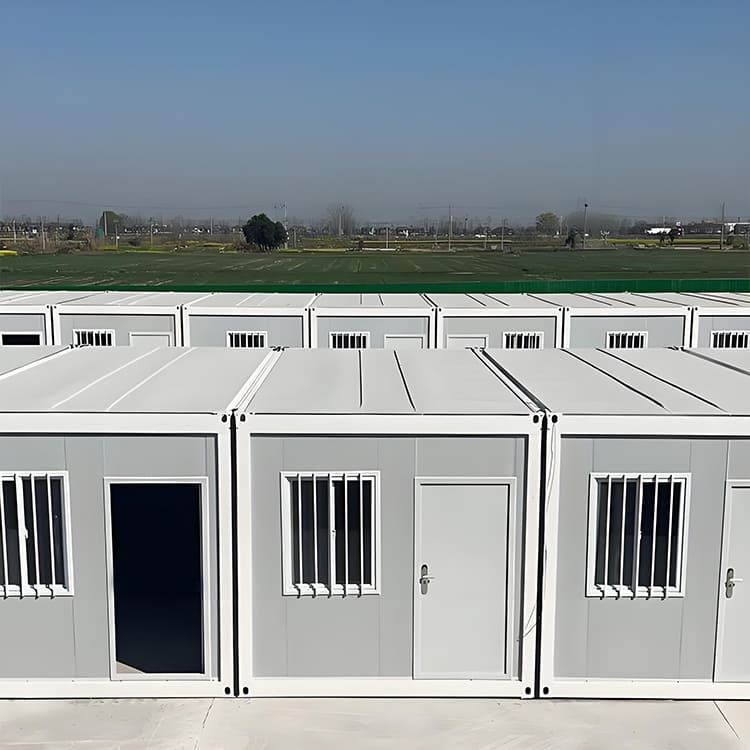
The foundation is the most consequential decision in any modular, container, or capsule home project. Get it right and your structure stays level, dry, and safe for decades. Get it wrong and every problem — cracking joints, water ingress, wind uplift — traces back to what’s underneath. This guide covers the main foundation types, how to match them to your site, and what to watch out for before you break ground.
Step One: Assess Your Site Before Choosing Anything
No foundation type is universally best. The right choice depends entirely on what’s under and around your site. Rushing this step is the most common and most expensive mistake in prefab housing projects.
| Site Factor | What to Check | Why It Matters |
|---|---|---|
| Soil type | Sandy, clay, rocky, or silty | Affects load-bearing capacity and drainage |
| Terrain | Flat, sloped, or uneven | Determines leveling approach and cost |
| Frost depth | Local freeze-thaw cycles | Foundations must go below frost line |
| Drainage | Water runoff direction, standing water | Poor drainage accelerates corrosion |
| Wind & flood history | Local weather records | Affects anchor sizing and elevation |
| Access | Road width, crane clearance | Impacts equipment and delivery logistics |
A basic soil and slope assessment before ordering anything can save far more than it costs.
Foundation Type Comparison
| Foundation Type | Best For | Relocatable? | Relative Cost |
|---|---|---|---|
| Concrete slab | Permanent flat sites, heavy loads | No | Medium–High |
| Pier / spread footing | Sloped terrain, standard soil | No | Medium |
| Screw pile / helical pile | Sandy, coastal, or sloped sites | Yes | Medium |
| Precast block / pad | Temporary or seasonal use | Yes | Low |
| Raft / hybrid | Soft soil, large multi-unit projects | No | High |
The Four Main Foundation Types Explained
Concrete Slab
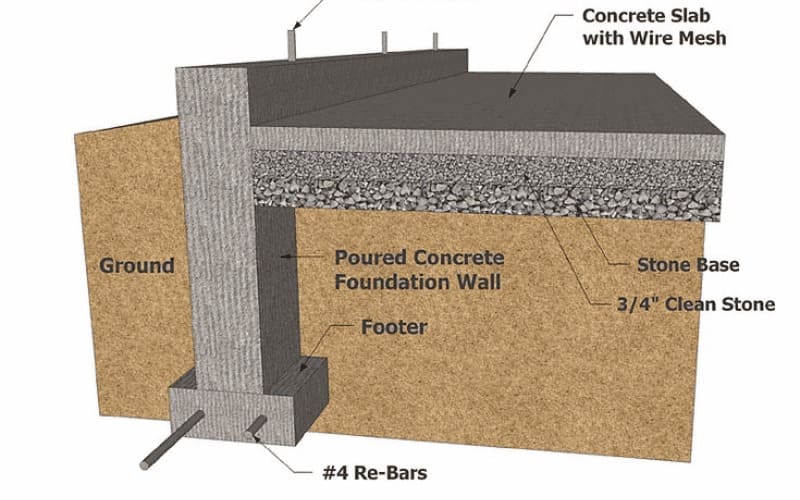
A poured concrete slab provides the most stable and level base for permanent installations on flat ground. It distributes load evenly across a large surface, integrates well with in-slab plumbing and underfloor heating, and requires almost no maintenance once cured. The tradeoffs are higher upfront cost, longer construction time, and zero relocatability. A vapor barrier should always be included beneath the slab to prevent ground moisture rising into the structure.
Best for: permanent family homes, multi-container commercial buildings, urban micro-living projects.
Pier or Spread Footing
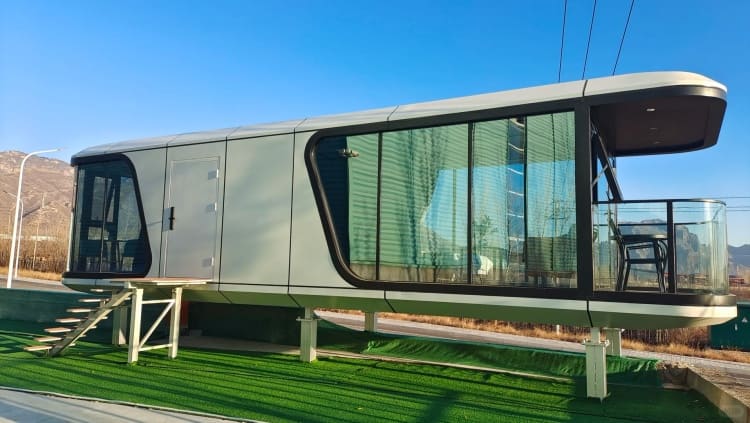
Concrete or steel piers placed under each column of the frame are the workhouse of modular construction. They are cost-effective, can be adapted to sloped terrain using stepped or adjustable heads, and require much less material than a full slab. The structure sits elevated above ground, which improves underfloor ventilation and reduces corrosion risk at the base of the walls.
The limitation is that isolated piers offer less resistance to lateral forces than a full slab, so in high-wind or high-seismic zones, additional cross-bracing or anchor straps may be required.
Best for: standard residential and commercial projects on reasonably stable, well-drained soil.
Screw Pile (Helical Pile)
Screw piles are steel shafts with helical plates that are driven mechanically into the ground without excavation. They are the fastest foundation to install — a standard set for a single-module home can be placed in a few hours — and they cause minimal site disturbance, which matters in protected landscapes, forest sites, and coastal resorts.
Screw piles also perform well in frost-prone areas when driven below the frost line, and they can be removed and reused when the structure relocates. The main limitation is that very soft or waterlogged soils may require engineering reinforcement to achieve adequate load-bearing capacity.
Best for: scenic retreat sites, eco-tourism installations, sloped or coastal terrain, projects that may be relocated.
Precast Blocks and Adjustable Pads
The most accessible option for temporary or seasonal structures. Precast concrete blocks or adjustable steel pads can be placed on firm, level ground without any concrete work, making setup and removal fast and low-cost. They are not suitable for permanent residential use or high-wind environments, but for site offices, seasonal rental cabins, or structures that will be moved within 12 to 24 months, they are practical and cost-effective.
Best for: temporary accommodations, construction site facilities, seasonal tourism units.
Drainage and Moisture Control
A foundation that sits in standing water will fail over time regardless of type. Before installation, confirm that the site grades away from the building on all sides. In clay-heavy or high-rainfall areas, add a gravel drainage layer under the foundation and install French drains or perimeter drainage channels to intercept groundwater. Every utility entry point — pipes, conduits, cables — should be sealed with appropriate weatherproofing to block moisture pathways into the floor structure.
Environmental Protection: Frost, Wind, and Flooding
In cold climates, all foundation elements must be set below the local frost depth — typically 1 to 1.5 meters in northern regions — to prevent ground heaving in freeze-thaw cycles. In high-wind zones, anchor bolt sizing must be calculated against local wind load data, not manufacturer minimums. In flood-prone areas, elevate the floor level high enough to allow water to pass beneath the structure without entering it.
Mistakes to Avoid
Skipping a soil assessment on sites with visible clay or poor drainage. Sizing anchor bolts to standard minimums in wind-exposed coastal sites. Placing precast blocks on soft or uncompacted fill without checking settlement risk. Forgetting to plan crane and delivery vehicle access before selecting a foundation system — poor access can delay an entire project and significantly increase costs.
Frequently Asked Questions
Q1: Do modular and capsule homes always need a foundation?
Yes. Even lightweight structures require a level, stable, and properly anchored base. Without one, the frame will shift, joints will open up, and water will find its way in. The type of foundation can be simple and low-cost, but it cannot be skipped.
Q2: What is the cheapest foundation option?
Precast concrete blocks or adjustable steel pads are the lowest-cost option, but they are only suitable for light structures on firm, level ground in low-wind environments. For most residential projects, pier foundations offer the best balance of cost, performance, and longevity.
Q3: Can I move the structure after it is installed?
This depends on the foundation type. Screw piles and precast blocks are removable and reusable, making them the right choice if relocation is part of the plan. Concrete slabs and poured piers are permanent. Decide before you build — changing foundation type after the fact is expensive.
Q4: How deep should the foundation go?
The minimum depth is determined by the local frost line, soil bearing capacity, and wind uplift requirements. In temperate climates with stable soil, 400 to 600 mm is often sufficient for pier foundations. In cold northern regions, screw piles may need to be driven 1.2 to 1.8 meters or deeper. Always verify with local engineering standards or consult a structural engineer for your specific site.
Q5: Can a sloped site use the same foundation as a flat one?
No. Sloped sites require either stepped pier foundations at different heights, an adjustable screw pile system, or a terraced slab. Attempting to use a flat foundation on uneven ground without compensation creates uneven load distribution and accelerates joint failure throughout the structure.
Q6: How do I protect the foundation from moisture long-term?
Use a vapor barrier under any slab or ground-level surface, grade the surrounding soil away from the building at a minimum slope of 1:20, install perimeter drainage where rainfall is heavy, and inspect all utility entry seals annually. Elevated pier or screw pile foundations naturally reduce moisture risk by keeping the floor structure above ground level.
Need help selecting the right foundation for your project site? Contact our team at besthouse@besteelstructure.com for technical support and site-specific recommendations.