Skip to content
If you’re planning to use a shipping container for storage, housing, or any outdoor project, there’s one thing you must understand before exposing it to the elements:
Shipping containers are water-resistant—but not waterproof.
That small difference matters, especially in rainy or coastal regions where constant exposure can quickly test your setup’s durability.
This guide explains what “water-resistant” really means, why containers aren’t fully airtight, and how to make your shipping container or container home stay dry for years to come.
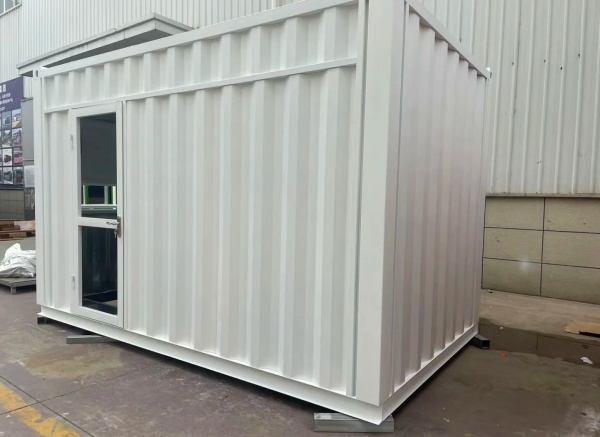
Why Shipping Containers Aren’t Fully Waterproof or Airtight
Shipping containers are built tough to withstand sea travel, but “tough” doesn’t always mean “sealed.” Understanding a few key terms helps clear the confusion:
| Term | Meaning |
|---|---|
| Water-resistant | Can resist rain and moisture for a while, but not indefinitely. |
| Waterproof | 100% sealed — no water gets in at all. |
| Watertight | Sealed under ideal conditions, but may degrade with time and wear. |
Most used containers lose their watertight integrity over time due to aging, corrosion, and physical stress.
1. Rubber Seals Don’t Last Forever
Rubber gaskets around container doors work well when new, but sunlight, heat, and aging cause them to crack or shrink.
Even a tiny tear can lead to leaks during heavy rain.
👉 Pro Tip: Replace rubber seals every few years—especially if the container is used for housing or as a waterproof container home.
2. Used Containers Show Wear and Tear
Scratches, dents, and rust spots let moisture in. Always check corners, roof joints, and door edges, where corrosion starts first.
If your container has been used for years, add a protective anti-corrosion coating to extend its lifespan.
3. Structural Damage During Transport
Rough handling during shipping can create invisible cracks. Even a minor dent in the roof seam can allow slow leaks.
When converting a container into a home or office, inspect all welded joints before insulation or interior finishing.
4. Rust and Corrosion in Humid Environments
In coastal or tropical areas, steel rusts faster. Once corrosion penetrates the metal, water resistance decreases rapidly.
Apply zinc primers or epoxy coatings regularly—especially on roofs and bottom corners.
How to Improve Shipping Container Water Resistance
Even the best containers need maintenance to stay watertight. Fortunately, you can greatly improve waterproofing with a few smart upgrades.
1. Seal Welded Frame Structures
Welded seams are the backbone of your waterproofing system. Ensure all corners, joints, and roof edges are fully sealed.
Checklist:
☐ Corner joints sealed with continuous welds
☐ Roof-to-wall seams joined properly
☐ No visible rust along weld lines
☐ Frame inspected after transport
Even small gaps can cause big leaks during storms.
2. Apply Industrial-Grade Caulking and Sealants
Use marine-grade or industrial-strength sealants on all exterior joints. Home-grade caulks often dry and crack.
| Area | Recommended Sealant |
|---|---|
| Window frames | Marine-grade polyurethane |
| Roof seams | Bitumen or EPDM-based coating |
| Floor edges | Industrial silicone sealant |
| Door hinges & gaskets | Rubberized flexible sealant |
Each bead of sealant should be at least 5mm thick, overlapping both sides of the joint for full coverage.
3. Install Vents with Drainage Paths
Ventilation prevents trapped moisture—but make sure vents have drainage channels and rain covers to keep out water.
Look for designs with drip channels, hoods, and UV-resistant materials.
For container homes, use roof-mounted vents with built-in filters to balance airflow and moisture control.
4. Prevent Internal Condensation
Temperature differences cause condensation inside metal containers.
To avoid this:
-
Add insulation or vapor barriers
-
Keep contents off the floor
-
Use moisture absorbers (silica gel, calcium chloride)
This is especially crucial if you’re building a shipping container home or office in humid climates.
5. Apply Anti-Corrosion Coatings
Protect your container’s exterior using zinc primers, epoxy coatings, or galvanized finishes.
| Coating Type | Best For | Durability |
|---|---|---|
| Epoxy Coating | Humid or coastal zones | High |
| Galvanized Finish | Long-term outdoor use | Very High |
| Polyurethane Topcoat | UV and flexible finish | High |
6. Perform Regular Maintenance
Routine checks can save you from costly repairs.
Maintenance schedule:
-
Monthly: Visual inspection for rust and dents
-
Quarterly: Door seal and vent check
-
Yearly: Recoat or re-seal critical joints
7. Add Custom Waterproofing Based on Use
Different uses require different waterproofing levels.
| Application | Recommended Features |
|---|---|
| Residential container home | Full roof membrane, vapor barrier insulation |
| Storage use | Desiccant packs, raised shelving |
| Commercial use | Weatherproof doors, sealed service windows |
If you’re planning a container house, consider adding a three-layer roof waterproofing system:
-
Waterproof cotton
-
Industrial adhesive
-
Asphalt protection layer
This combination maximizes moisture resistance and longevity.
So, Are Shipping Containers Waterproof?
They’re water-resistant, not waterproof—and that difference is key.
With the right upgrades and regular maintenance, you can make your container or container home resistant to rain, humidity, and corrosion for years to come.
Conclusion
Shipping containers are incredibly durable, but staying dry takes effort. From seal inspection and anti-corrosion coatings to smart ventilation and insulation, every small detail helps protect your investment.
For container housing, investing in professional waterproofing systems ensures long-term comfort and performance—rain or shine.
FAQ
Q1: Are shipping containers waterproof when delivered new?
New containers are watertight at first but can lose seal integrity over time due to rubber aging and corrosion.
Q2: Can I make a used container fully waterproof?
Yes. With welding repairs, sealant application, and coatings, used containers can achieve near-waterproof performance.
Q3: Is waterproofing necessary for container homes?
Absolutely. Container homes face continuous exposure to rain and temperature changes, so waterproofing is essential for comfort and durability.