Skip to content
Money and housing always go hand-in-hand. Buying land, building a home, or setting up a small capsule house requires a solid financial plan. Without proper planning, financial stress can quickly become overwhelming.
Financing a capsule house in Australia isn’t as simple as walking into a bank. Regulations around building classes, permits, and loan types can be tricky. This guide walks you through your financing options, what lenders check, costs involved, and tips to improve your approval chances.
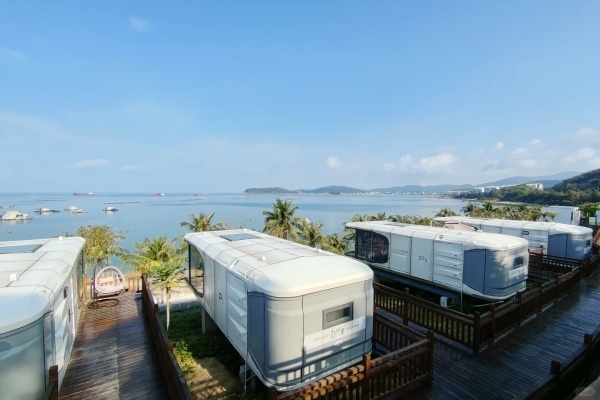
1. Choose Your Path in Australia
Your financing options depend on where and how you place the capsule house.
| Scenario | Loan Type | Notes |
|---|---|---|
| Owned land with permanent foundation | Construction loan → standard mortgage | Class 1a, progress payments, interest-only during build |
| Tourism park / short-stay rental | Commercial or equipment loan | NCC Class 1b; treated as commercial property |
| Movable unit on leased land | Personal or caravan/RV loan | Treated like a vehicle; check state rules |
| Secondary dwelling / granny flat | Home equity loan / line of credit | Borrow against existing home equity; up to 100% of build cost |
💡 Tip: Choose the scenario that best matches your plan to pick the right loan type.
2. What Australian Lenders Check
Lenders carefully review each build. Key checks include:
-
Approvals & Classification: Council or state permits; NCC building class (Class 1a for standard, 1b for short-term rental). Engineering-certified plans recommended.
-
Building Contract & Schedule: Fixed-price contract with stage-by-stage drawdown schedule (slab, frame, lockup, fitout).
-
Builder’s License & Insurance: Licensed builder, warranty insurance, and public liability insurance required.
Meeting these requirements increases your chances of loan approval.
3. Terms & Costs in Australia
| Cost Type | Details |
|---|---|
| Interest & Drawdown Fees | Interest-only during construction; pay interest on drawn amount only; valuation and legal fees may apply |
| Soft Costs | Permits, utilities, site works, foundation prep, delivery/installation |
| LMI & Timing | Lenders Mortgage Insurance if borrowing >80% of value; staged draws; final valuation on completion |
💡 Tip: Budget for both hard costs (builder) and soft costs (permits, site prep, utilities).
4. Improve Your Approval Odds
-
Aim for Class 1a: Place capsule on owned land with permanent foundation.
-
Use a Licensed Builder with Full Plans: Submit detailed fixed-price contracts, drawings, and insurance certificates.
-
Compare Lender Policies: Different banks treat modular homes differently; consider finance brokers.
-
Improve Your Financial Position: Higher deposit or equity improves approval chances; maintain a clean credit history.
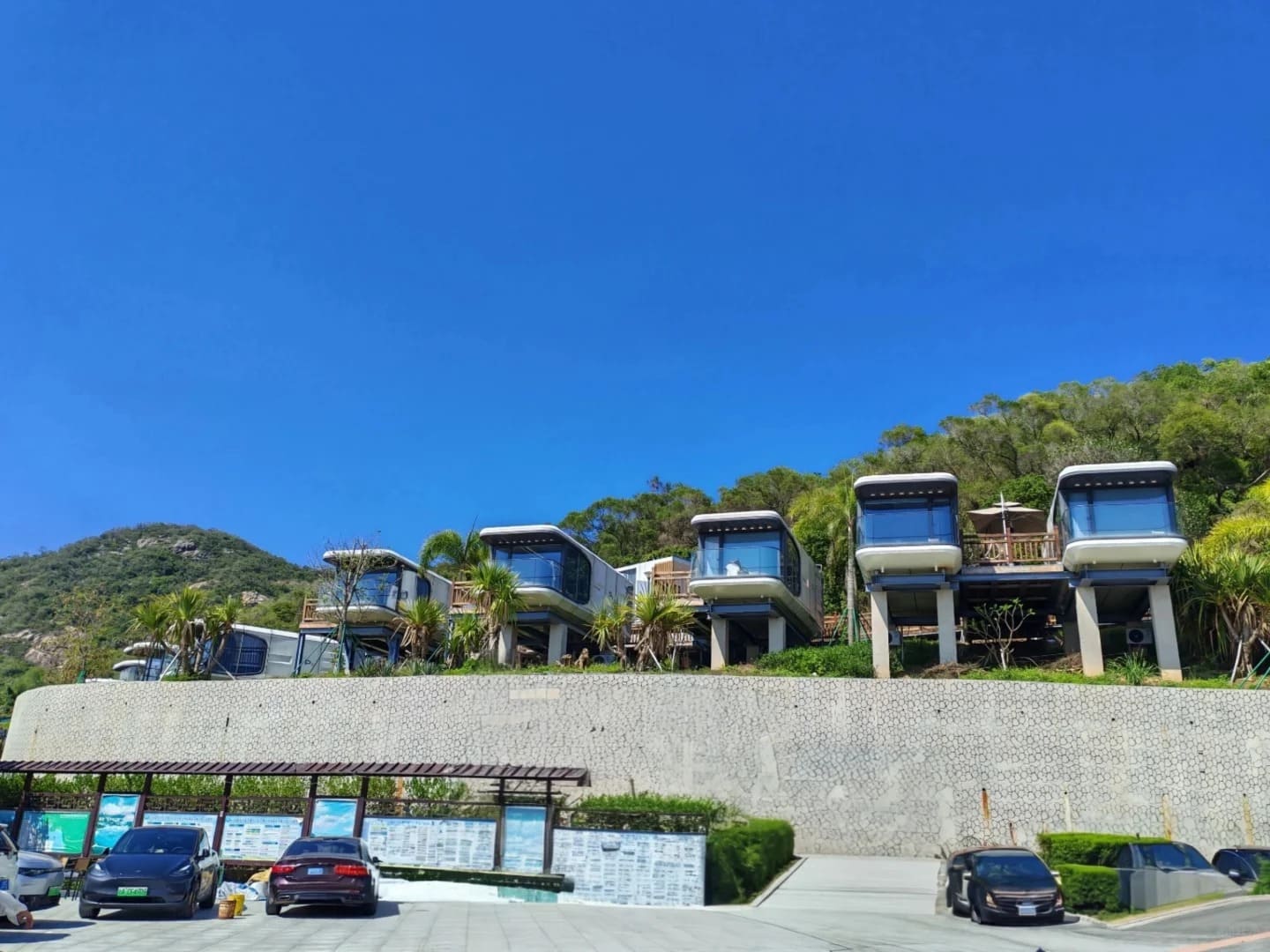
5. Documents to Prepare
Before applying, gather:
-
Site & Planning Documents: Site plan, planning/building approvals, engineered drawings, energy compliance reports (BASIX in NSW, other ratings elsewhere).
-
Building Contract & Builder Docs: Fixed-price contract, work schedule, builder license, insurance certificates.
-
Financial & Personal Papers: Photo ID, payslips, tax returns, bank statements, debts, assets. Property valuation if applicable.
-
Site Photos & Product Info: Helps lender’s valuer understand the capsule model.
📌 Having these ready speeds up approval and shows lenders your project is legit.
6. Conclusion
Financing a capsule house in Australia is achievable with the right approach:
-
Pick the correct loan path (construction, commercial, personal, or equity).
-
Obtain all approvals and documentation.
-
Work with a licensed builder and submit detailed plans and contracts.
-
Compare lenders and understand costs, including soft costs, LMI, and interest during construction.
By being organized and prepared, your loan approval process becomes smoother and faster.
💡 Ready to find the best financing option for your capsule house in Australia?
Reach out to us today for personalized guidance and let’s plan your dream modular home within your budget!
7. FAQ
Q1: Can I get a regular home loan for a capsule house?
A: Only if it’s on owned land with a permanent foundation (Class 1a). Short-stay or movable units usually need commercial or personal loans.
Q2: What approvals do banks require?
A: Council/state permits, NCC classification, engineering-certified plans, builder’s insurance, and licenses.
Q3: Can I use my home equity for a capsule house?
A: Yes, for a secondary dwelling like a granny flat. Lenders may cover up to 100% of build cost using your existing home as security.