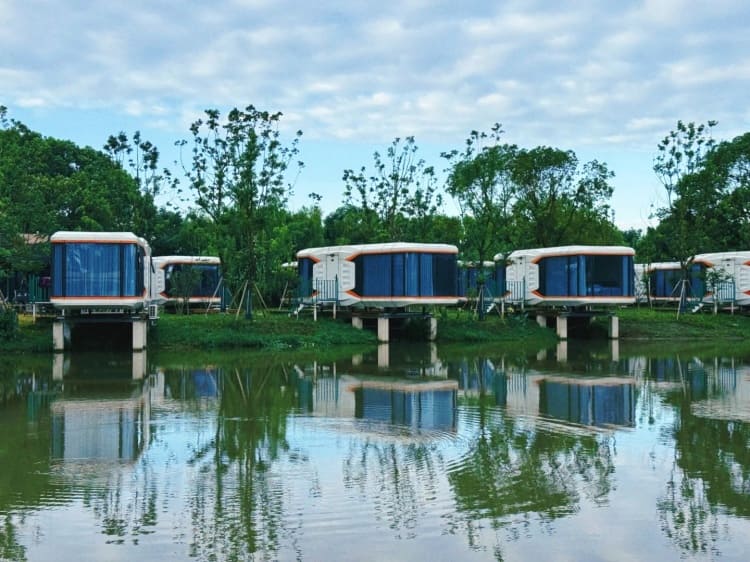
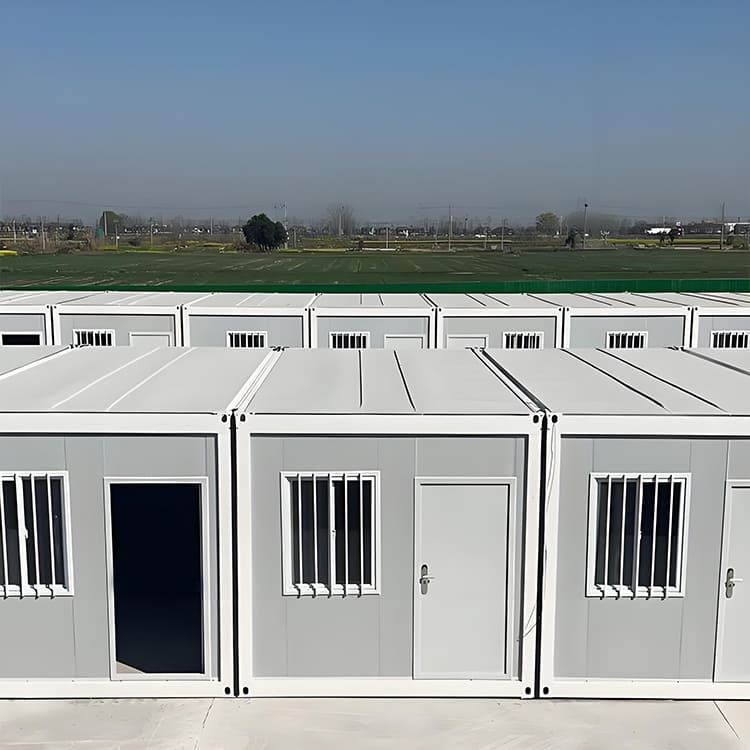
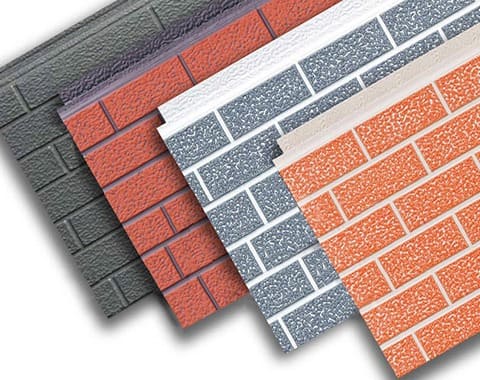
Prefab houses are no longer a niche trend—they’re booming. The market is set to surpass $234 billion in 2025, making modular homes a fast, smart, and cost-effective housing solution.
In this guide, we’ll explore the top 10 locations where prefab homes work best, why they succeed there, and key checks before placing a unit.
1. Holiday Parks and Campgrounds
Holiday parks often welcome prefab cabins, as zoning for tourism is usually in place. Shared amenities like bathrooms, kitchens, and parking make adding cabins simple and scalable.
Why it works:
-
Tourism zoning ready
-
Shared utilities and parking
-
Fast prefab installation with minimal disruption
Key checks:
-
Verify lodging permits
-
Check septic/sewer capacity
-
Maintain fire lanes
-
Follow quiet hours
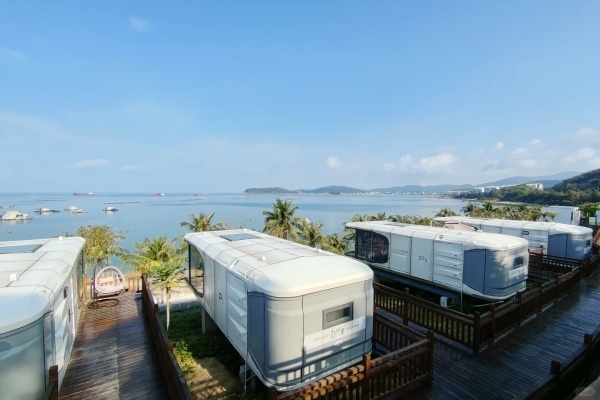
2. Coastal Resorts and Beachfront Sites
Beachfront prefab homes can command higher rental rates due to ocean views and year-round tourism. Prefabs are perfect for pre-building and installing before high season.
Why it works:
-
Premium ocean views
-
Steady shoulder-season demand
-
Meets coastal building codes
Key checks:
-
Confirm coastal setback laws
-
Use reinforced windows for wind debris
-
Select corrosion-resistant materials
-
Check insurance requirements for hurricanes

3. Lakesides and Marina Districts
Lakefront or marina locations attract boating and vacation enthusiasts. Shared utilities reduce installation costs, and waterfront views increase rental appeal.
Why it works:
-
Water views are highly desirable
-
Access to marina utilities
-
Longer client stays
Key checks:
-
Flood plain evaluation
-
Raised foundations if needed
-
Shoreline buffers as required
-
Plan freight/delivery logistics
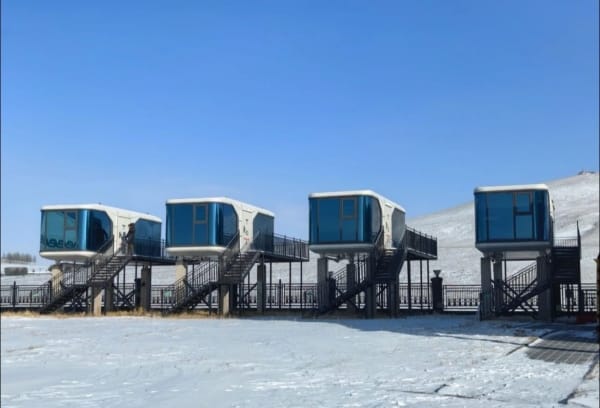
4. Mountain Regions and Snow Country
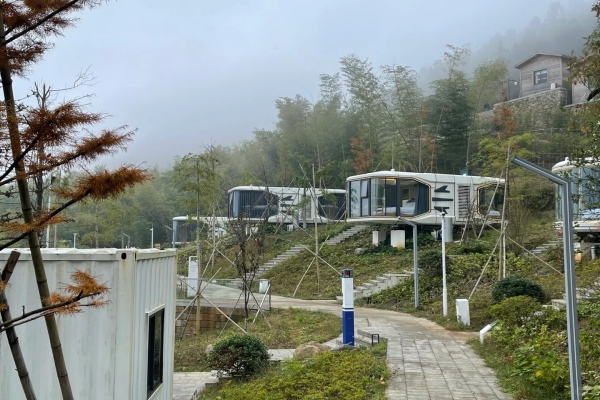
Mountain cabins appeal year-round with ski seasons and summer hikes. Prefab homes are quick to install and built with strong insulation.
Why it works:
-
High seasonal demand
-
Strong insulation for cold climates
-
Quick setup before peak season
Key checks:
-
Verify snow load requirements
-
Frost-protected footings
-
Slope stability and avalanche risk
-
Ensure winter road access
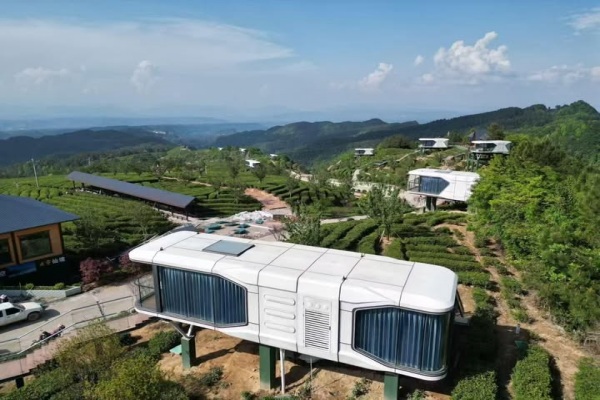
5. Urban Infill Sites and Rooftops
Cities face housing shortages, making prefabs ideal for empty lots or rooftops. Infill projects reuse land and reduce costs.
Why it works:
-
Steady urban demand
-
Fast construction and minimal disruption
-
Cost-effective housing
Key checks:
-
Confirm zoning and permits
-
Check fire and building codes
-
Structural support for rooftop units
-
Crane or lift logistics
6. Suburban Backyards as ADUs
Accessory Dwelling Units (ADUs) are secondary homes behind main houses. Prefab ADUs increase rental income and property value.
Why it works:
-
Rental or family use
-
Quick installation
-
Increases home value
Key checks:
-
ADU size, height, and setback compliance
-
Utility hookups (water, sewer, electricity)
-
Privacy considerations
7. Rural Agritourism and Farm Stays
Farm stays or glamping sites use prefab units to offer themed experiences. Land is affordable, and guests pay for the “farm experience.”
Why it works:
-
Low land cost
-
High demand for rural tourism
-
Diversified income for farms
Key checks:
-
Agritourism zoning and guest limits
-
Safe water and septic systems
-
Fire safety and evacuation routes
8. Planned Tiny Home Communities
Tiny home parks are pre-zoned, with shared amenities and community facilities. Prefabs integrate well into these setups.
Why it works:
-
Pre-approved land
-
Shared amenities
-
Community-focused living
Key checks:
-
Follow community design rules
-
Clarify maintenance responsibilities
-
Verify utility metering schemes
9. Corporate Camps and Workforce Villages
Industries like mining, oil, or construction use prefab villages for staff. Buying in bulk reduces cost, and modular units are quick to deploy.
Why it works:
-
Predictable occupancy
-
Bulk cost savings
-
Fast setup near worksites
Key checks:
-
Confirm camp classification
-
Fire safety and muster points
-
Reliable communication and emergency plans
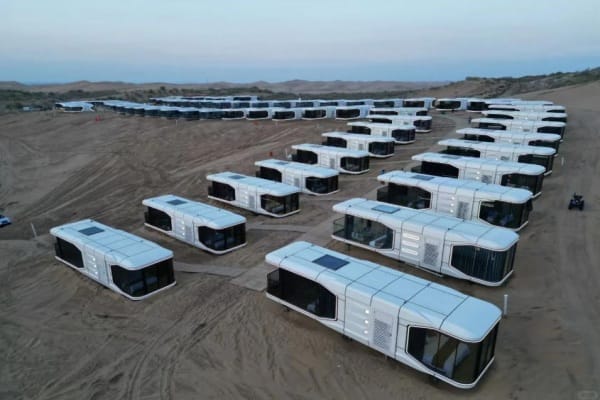
10. Remote Off-Grid Destinations
Prefabs can provide sustainable housing in deserts, forests, or private islands. Longer stays and off-grid solutions create a premium experience.
Why it works:
-
Destination premium
-
Longer average stays
-
High energy efficiency with solar and batteries
Key checks:
-
Confirm off-grid living legality
-
Plan power, water, and waste systems
-
Fire safety and supply logistics
Conclusion
Prefab homes are versatile, scalable, and fast to install. Whether for vacation rentals, urban housing, or off-grid retreats, selecting the right location and performing key checks ensures long-term success.
FAQ
Q1: What makes prefab homes suitable for different locations?
A1: Prefab homes are modular, quick to install, and adaptable to zoning, climate, and utility conditions.
Q2: Can prefab homes withstand extreme weather?
A2: Yes, modern prefabs can meet snow, wind, and coastal storm regulations with proper materials and design.
Q3: Are prefab homes legal in urban areas?
A3: They can be, but zoning, permits, and building codes must be checked. Rooftop or infill units may require special approvals.
Q4: Can I use prefab homes for rental income?
A4: Absolutely—locations like parks, resorts, ADUs, and corporate camps are ideal for generating consistent revenue.
Q5: Are prefab homes eco-friendly?
A5: Yes, many use energy-efficient materials, solar panels, and off-grid solutions for sustainable living.