Skip to content
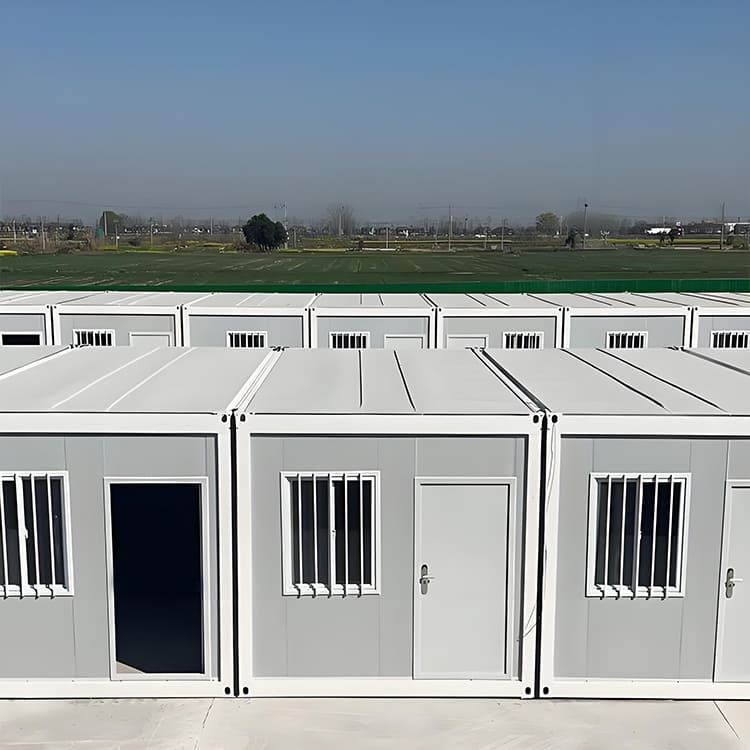
Container houses are becoming increasingly popular on construction sites, mining areas, oil fields, and other outdoor workplaces as temporary offices, dormitories, and canteens.
Choosing the right container house not only ensures comfort and durability but also helps reduce construction waste and supports sustainable development.
1. Define Your Needs Clearly
Before making a purchase, clearly define your purpose — whether you need the container house for living, business, or temporary on-site facilities.
Select the appropriate size, structure, and layout to match your needs.
Also, take local conditions into account.
If your container house will be placed in a hot or humid climate, make sure it includes proper insulation, waterproofing, and drainage to ensure long-term durability and comfort.
2. Focus on Quality and Materials
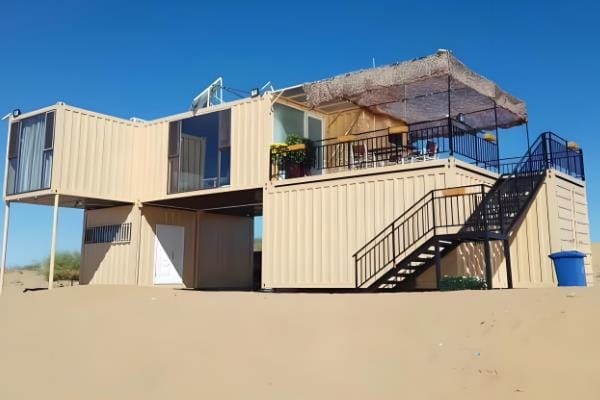
A reliable prefab container is built with high-quality steel that’s smooth, rust-free, and evenly coated.
The thickness of the steel plays a key role in ensuring strength and stability.
Since container houses are exposed to outdoor environments, anti-corrosion treatment is essential.
Check that the coating is even, complete, and not peeling.
For thermal performance, verify the quality of insulation materials such as rock wool, glass wool, or polyurethane.
Choose dense, elastic materials to improve energy efficiency and comfort.
3. Check the Structure and Workmanship
The welding quality directly affects the safety and load-bearing ability of your container house.
Inspect the welds — they should be smooth, firm, and free from cracks or weak points.
All cutting and assembly work should be performed by professionals.
A well-built frame feels solid and stable.
You can even gently shake the container to test its overall structural integrity.
4. Pay Attention to Design and Comfort
An efficient layout enhances both living and working experiences.
Plan for adequate lighting, ventilation, and sound insulation to create a comfortable indoor space.
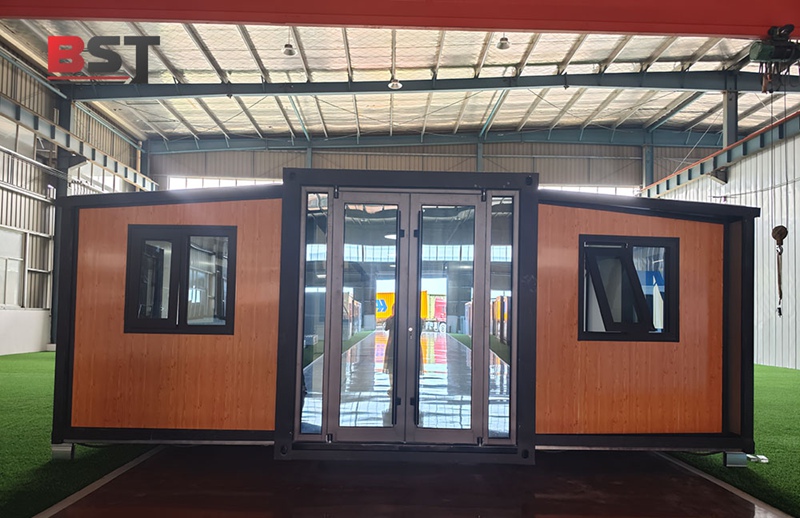
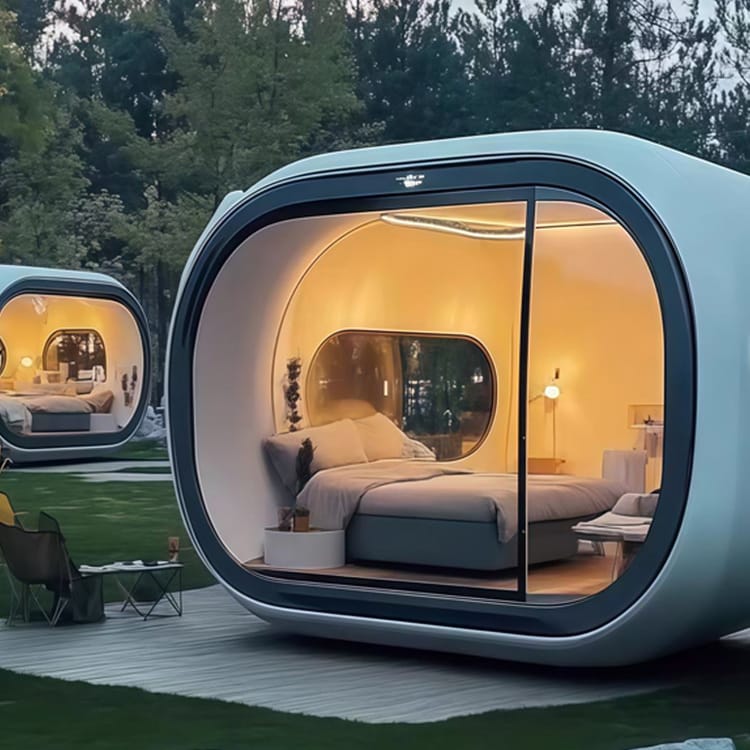
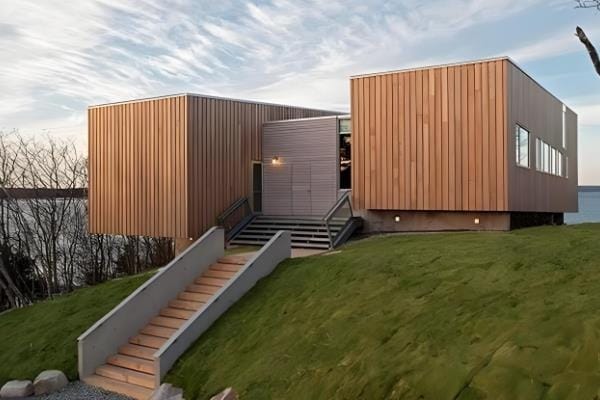
Exterior style can be customized — from modern minimalist to industrial or country-style — allowing your prefab container to fit any project aesthetic.
5. Evaluate Service and After-Sales Support
Partner with a reputable manufacturer that provides complete after-sales support, including installation, maintenance, and technical guidance.
Check customer reviews and the company’s industry reputation to ensure long-term service reliability.
A Sustainable Choice for the Future

In a world focused on sustainability, container houses offer a smart, eco-friendly solution.
By reusing shipping containers, they help reduce resource waste and minimize on-site construction debris.
Prefab container houses require less time and labor to install, reducing environmental impact while delivering faster project completion.
Lightweight, flexible, and cost-effective — the container house is shaping the future of sustainable construction.