Skip to content
At first glance, a shipping container looks like a simple steel box. But its real strength, safety, and usability come from the small yet critical components built into it.
These accessories are not optional—they define how well a container performs under pressure, during transport, and over long-term use.
As experienced prefab container builders, we’ve seen projects succeed or fail based on the quality and selection of these parts. Whether you’re shipping goods or building a container home, understanding these components helps you make smarter, safer decisions.
Core Shipping Container Accessories
These structural elements form the backbone of every container. Without them, a container cannot function safely or efficiently.
1. Corner Castings—The Backbone of Stability
Corner castings are one of the most critical structural components in any shipping container.
They are heavy-duty steel blocks located at all eight corners of the container. These castings serve as anchor points for lifting, stacking, and securing containers using twist locks.
If these castings are even slightly misaligned, it can create stress points that compromise safety during stacking or transport.
Key Functions:
| Feature | Function |
|---|---|
| Structural Stability | Maintains alignment during stacking |
| Safety | Enables secure locking with twist locks |
2. Corner Posts – Vertical Load Strength
Corner posts connect the corner castings and carry the vertical load when containers are stacked.
They are essential for maintaining structural integrity, especially in multi-container builds or modular housing projects.
When modifying containers, cutting or altering these posts without reinforcement can weaken the entire structure.
3. Locking Bars – First Line of Security
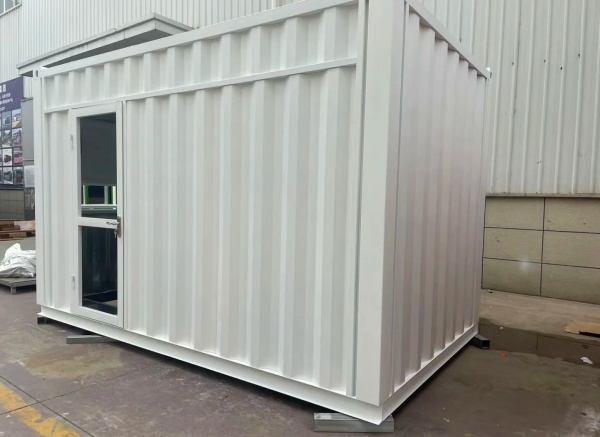
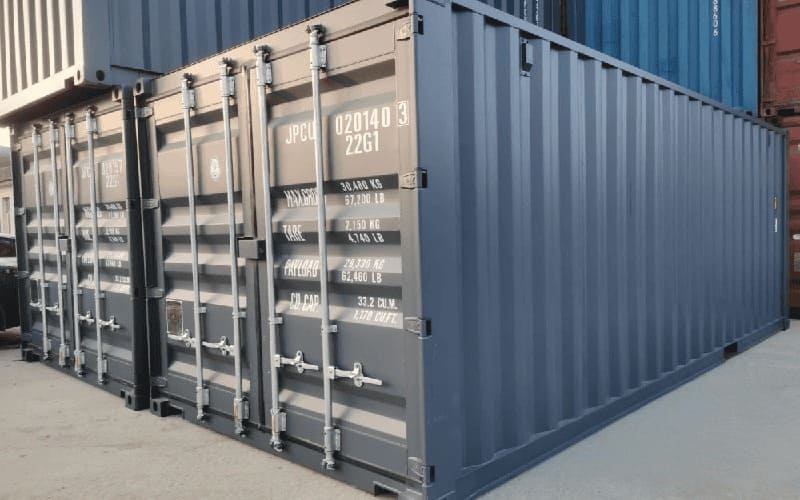
Locking bars are vertical steel rods attached to container doors. They engage with locking mechanisms at the top and bottom to seal the container tightly.
They protect against theft and help maintain a weather-tight seal.
For high-security applications, upgrading to tamper-resistant locking systems is highly recommended.
4. Door Panels – Protection Against the Elements
Container doors are made from heavy-duty steel and sealed with rubber gaskets to prevent water and air leakage.
Over time, wear and tear can lead to gaps, which may cause:
- Water intrusion
- Mold growth
- Temperature instability
Routine inspection is essential, especially for long-term or residential use.
5. Door Gaskets – Small but Critical
Door gaskets may seem minor, but they play a huge role in keeping containers weatherproof.
They block:
- Moisture
- Dust
- Insects
- Air leakage
Damaged or worn gaskets are one of the most common causes of container leaks.
6. Wall Panels – Strength and Pressure Resistance
Container walls are made from corrugated steel panels designed to withstand heavy pressure.
However, this corrugated design creates challenges when adding insulation or interior finishes.
Builders must carefully plan:
- Framing systems
- Insulation layers
- Moisture barriers
7. Roof Panel – Weather Defense Layer
The roof panel is a welded steel sheet that protects against rain, snow, and debris.
In modified containers, roofs often require reinforcement to prevent:
- Water pooling
- Structural sagging
- Leakage over time
8. Flooring – Built for Tough Conditions
Standard container flooring is typically made from marine-grade plywood or bamboo.
While durable, it may not perform well in:
- High humidity environments
- Long-term residential use
Alternative options include:
- Steel plate flooring
- Composite materials
- Sealed concrete systems (for conversions)
9. Base Frame – The Structural Foundation
The base frame supports the entire container and distributes weight evenly.
It consists of:
- Steel rails
- Crossmembers
Any damage to the base frame can compromise the entire structure, making it unsafe for stacking or conversion.
Optional Add-Ons: Container Accessories for Security and Comfort
While not required, these accessories significantly enhance usability—especially for modified containers.
1. Lock Box – Enhanced Security
A lock box protects padlocks from tampering, cutting, or forced entry.
Ideal for:
- Storage containers
- Construction sites
- High-risk areas
2. Padlocks – Customizable Protection
Different applications require different lock types:
- Standard padlocks for low-risk use
- Heavy-duty locks for industrial environments
3. Ventilation Covers – Airflow Without Risk
Ventilation covers improve airflow while preventing:
- Rainwater entry
- Pest intrusion
They are especially important in humid climates or living spaces.
4. Lashing Rings and Bars – Secure Interior Loads
These container accessories help secure cargo or equipment during transport.
They are essential for:
- Mobile workshops
- Equipment storage
- Shipping operations
5. Paint and Protective Coatings
Coatings serve both functional and branding purposes:
- Prevent rust and corrosion
- Improve appearance
- Extend lifespan
6. Twist Locks & Bridge Fittings
These components stabilize containers in:
- Stacked configurations
- Modular prefab systems
They ensure structural alignment and safety.
Specialized Container Accessories for Modified Containers
Different container types require tailored components.
1. Reefer Containers – Temperature Control Systems
Refrigerated containers require:
- Cooling units
- Air circulation systems
- Electrical connections
Used in:
- Food transport
- Medical storage
2. Open-Top Containers – Flexible Loading
These containers include:
- Removable roof bows
- Tarpaulin covers
Ideal for oversized cargo that cannot fit through standard doors.
3. Flat Rack Containers – Heavy Load Handling
Flat racks feature:
- Collapsible ends
- Reinforced frames
Designed for:
- Machinery
- Large industrial equipment
Expert Insights from Prefab Container Builders
After working on thousands of container projects, several key lessons stand out:
1. Structural Integrity Comes First
A container’s appearance means nothing if its structure is compromised.
Always prioritize:
- Strong corner castings
- Intact base frames
- Reinforced load-bearing elements
2. Standard Containers Need Preparation
Before conversion, most containers require upgrades:
- Floor sealing or replacement
- Roof reinforcement
- Wall insulation
3. Proper Fit Prevents Failure
Using mismatched or low-quality accessories often leads to:
- Water leaks
- Rust formation
- Structural weakness
Precision matters.
4. Customization Should Be Purpose-Driven
Every container project is different.
Whether it’s a home, office, or storage unit, accessories should be selected based on:
- Climate
- Usage
- Mobility needs
How to Choose the Right Container Accessories
When selecting container accessories, consider:
- Functionality: What is the container used for?
- Environment: Will it face humidity, heat, or extreme weather?
- Security Level: Is theft a concern?
- Longevity: Is this a temporary or permanent setup?
Choosing the right combination ensures long-term performance and reduces maintenance costs.
Conclusion: Small Parts, Big Impact
Shipping container accessories for container houses may seem like minor details, but they play a major role in performance, safety, and durability.
From structural components like corner castings and base frames to optional upgrades like ventilation and lock boxes, every element contributes to the overall success of your project.
Whether you’re transporting goods or building a prefab container space, investing in the right accessories ensures:
- Better durability
- Improved safety
- Higher long-term value
In the end, it’s these small components that transform a simple steel box into a reliable, functional structure.